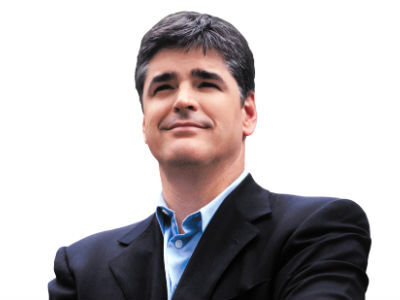
Rwanda’s Massive Church Closures Spark Debate Over What Truly Qualifies a Pastor

Carbonatix Pre-Player Loader

Audio By Carbonatix

Brought to you by Christianity.com

The President of Rwanda, Paul Kageme. He has recently closed over 6,000 churches and mosques in his country because he believes the leaders of these organizations should study theology before they open a church. 

“I have closed over 6,000 churches and mosques in my country, and now I’m demanding a theology degree for every religious leader. Stop playing with people’s faith and making it a business.” 

Growing up in Brooklyn, NY, it was very common to drive down a city block and see six or seven churches. Most were small storefront churches with a handful of members, yet they represented a church and a person who felt the desire to start that church. While I believe in shining the light of the gospel, I am not sure if this is what Jesus had in mind.

The rise of social media has created the ability to reach an audience more than ever before. To qualify for ministry, it would seem one now only needs a phone and the ability to hit record to gain an audience. There are literally thousands of YouTube channels with people preaching and teaching the Bible. Indeed, it's an effective medium. I have a YouTube channel myself. But often, there is little or no way to verify the pastoral credentials of the person teaching and preaching on the channel.

While I appreciate President Kageme's view,  is it correct? Let’s dive into this as we consider the modern landscape of the church in the 21st Century.

Understanding the Business Structure Behind Modern Church Ministry

There is a truth about church people rarely want to admit. A church is a business. I don't mean this negatively, suggesting churches exist only to make money. Rather, I am referring to the organization's real-world structure. It is a business because it provides a service, has employees, collects donations, pays bills, files paperwork, maintains property and facilities, and manages budgets, legal matters, accounting, and compliance. Those operations qualify it as a business.

While there are some unscrupulous pastors who are getting rich off the backs of their congregations, thankfully, that is the exception and not the rule. Most pastors are not flying on private jets but are worried about keeping the lights on and caring for those in their congregations. Still, the business side of the church is real. While the church is ultimately a ministry, there are many tasks that happen Monday-Friday that remind you of day-to-day office work and look nothing like what we typically picture when we think of ministry. So yes, there are staff meetings, HR issues, managing contracts and vendors. It is all part of the business side of a church. I highlight these things because we cannot ignore the reality that a church is not just a “spiritual” entity but also an organization. With that being said, let's shift our focus to the qualifications for ministry.

What Are the Qualifications for Ministry?

To prepare for this article, I looked at some job postings for pastoral roles. A common requirement for many of these roles was a theology or seminary degree. However, is that the most important requirement for pastoral ministry? Is it helpful? Yes. Is it absolutely necessary? No.

When you make theological education a primary requirement for pastoral positions, that is a secular approach to a spiritual office. The role and function of a pastor should not be based solely on theological degrees. They should first be based on a spiritual calling. I am not saying there is no preparation required for the position; however, that preparation does not always have to be represented by a theological degree. When you consider the various hats a pastor may wear, including preacher, counselor, organizer, leader, community representative, and advocate, there are many educational paths that can prepare someone for that role. That could include business, psychology, education, organizational development, or leadership studies, to name a few.

Even if you have an education, it only validates your knowledge. It does not validate your call to ministry. When you place people in pastoral roles who are not called to in them, their education will not help, because a pastoral role is not just a job; it is a calling. A degree can tell you the classes you passed, but it does not affirm if you will lay down your life for the flock. Let me be clear: I am not saying don’t get an education because it can absolutely be beneficial, but the education should not be the main qualifier. The pastor should be called by God and affirmed by the body of Christ. Whatever educational path you choose should come after that.

The Danger of Unchecked Power in Pastoral Ministry

How do we get to places where there are pastors who take advantage of people and enrich themselves off the backs of their members? If you think this is new, it’s not. This was happening in the first century and even in the Old Testament. There were corrupt priests like Hophni and Phineas who slept with the women who were dedicated to the service of the tabernacle and had no regard for the offerings of the Lord or the law of God.
 
In the New Testament, Paul warns Timothy of those who see godliness as a means to financial gain. There have always been, and always will be, those who use their roles as faith leaders to enrich themselves. The titles may change, and the platforms may be different, but the temptation remains.

The bigger question is, why does this happen? The answer lies in one word: accountability. Any person who steps into a leadership role as a pastor instantly gains significant influence because people respect the office. Without accountability, the ability to sway people can tempt even the most well-intentioned pastor, given the trust congregants have placed in them. If left unguarded, this can lead to manipulation of all types, including financial, emotional, and sexual.

That’s why accountability matters and why we must hold leaders accountable for their actions. Without accountability, we create scenarios where leaders can do whatever they want, often leaving many hurt victims in their wake. Accountability means there are people who can question the leader and tell them no. It means they will confront behavior and, if necessary, remove the person from leadership when it is in the best interest of the church. True accountability is about protecting the congregants and also the leader. This creates guardrails and helps prevent leaders from abusing their positions.
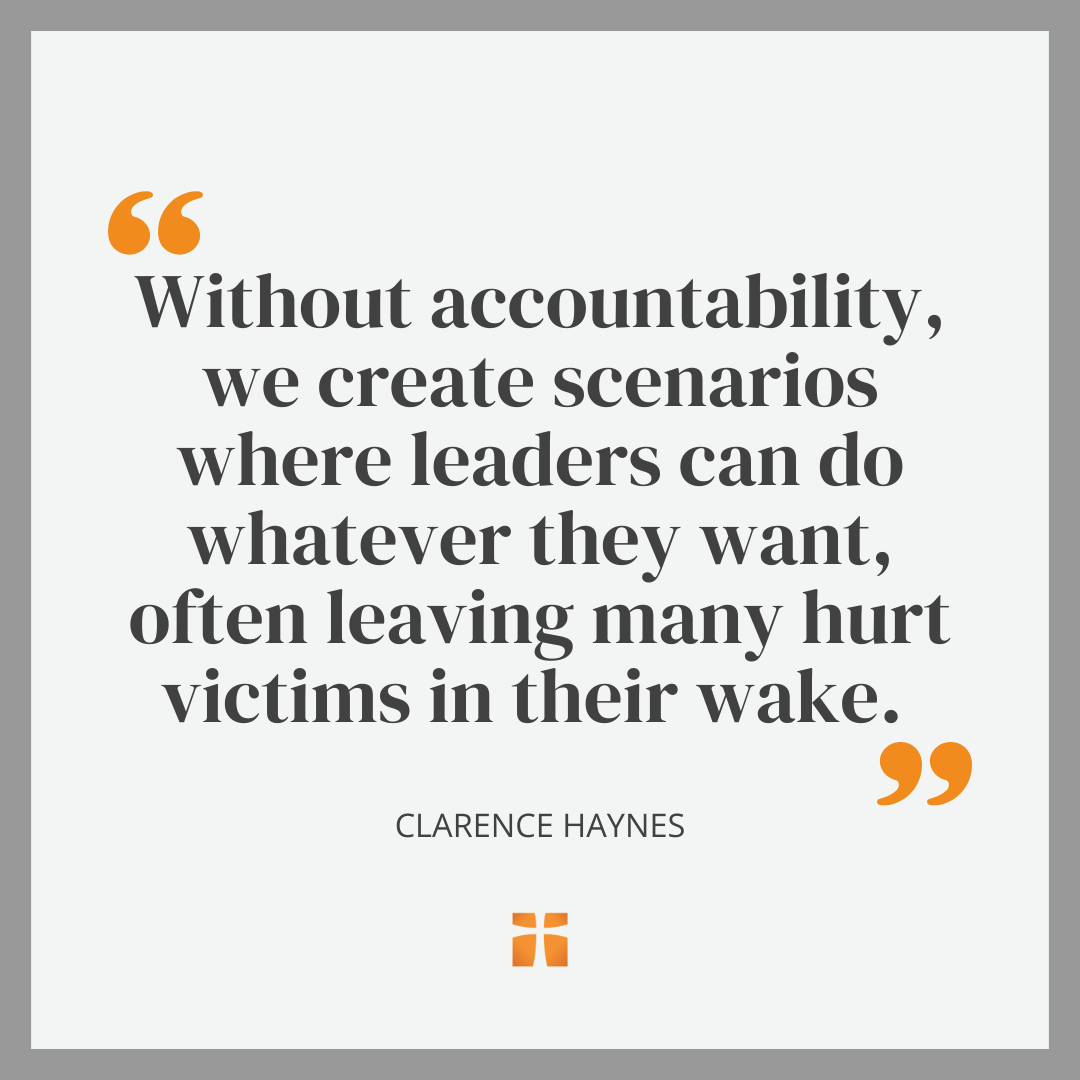
Quote from an article about Rwandan churches being closed by the masses and the following debate it sparked about what qualifies a pastor

Why Education Alone Cannot Prevent Church Abuse

I believe Paul Kageme has the right idea, but his solution falls short. You can have theological training, write brilliant papers, and even deliver the most powerful sermons. However, if you lack integrity, you may still fall victim to the abusive behavior the president of Rwanda was most concerned about.

I commend him for wanting to root out those who turn church and faith into a business solely for personal gain, but this can happen with or without a theology degree. The real underlying issue is not education versus no education, because that will not solve the problem. The actual issues are calling, character, and accountability. Maybe that should be part of the process before we ever allow anyone to just open a church and claim spiritual authority. Granted, I do not know how this is even enforceable in today’s culture, but I know for a fact that this is a concern that education alone will not solve.

Photo Credit: ©Unsplash/Chris Boland
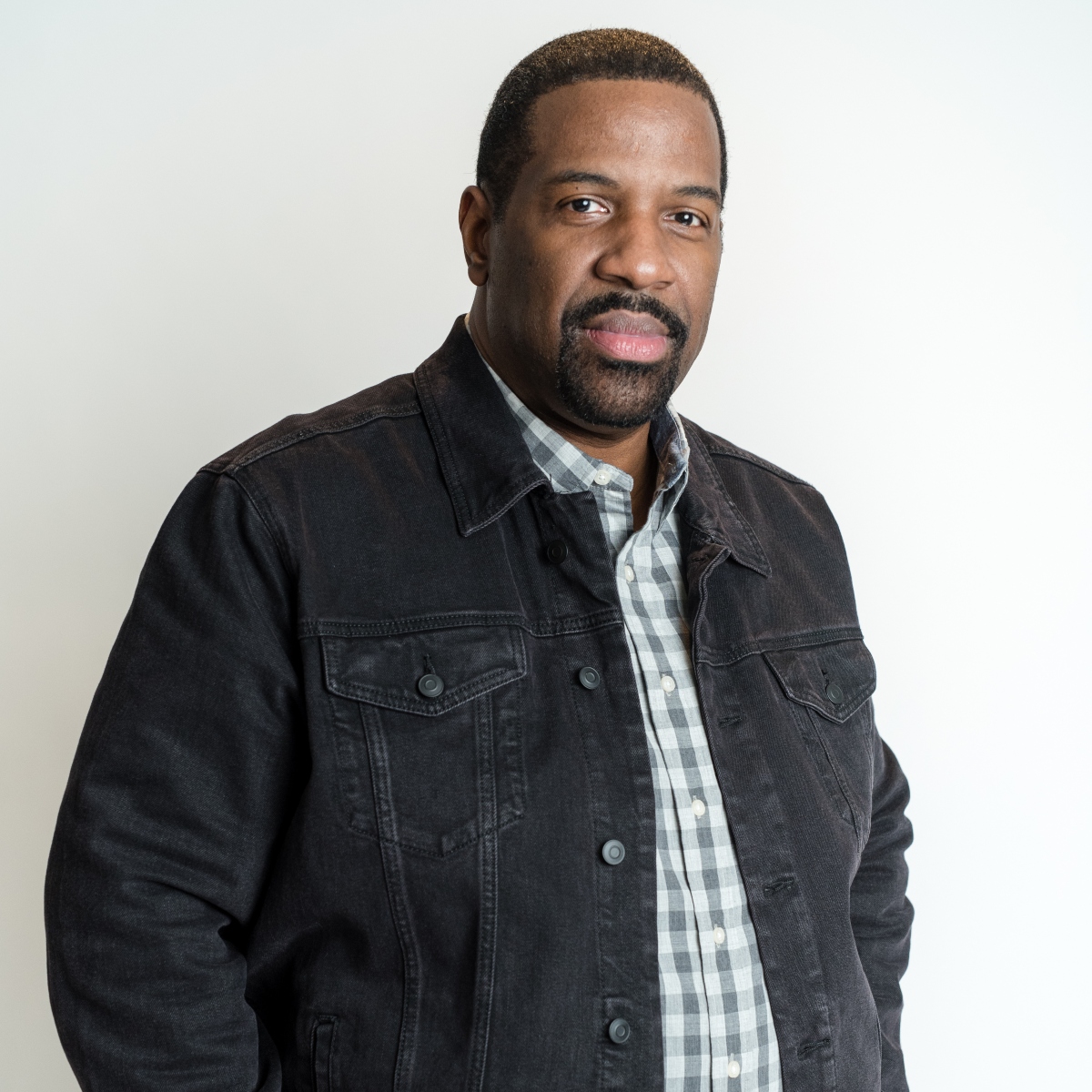
Clarence Haynes 1200x1200Clarence L. Haynes Jr. is a dynamic speaker, Bible teacher, and co-founder of The Bible Study Club, dedicated to helping people live with purpose and clarity. In addition to his ministry work, Clarence has spent the last 13 years as a trusted financial educator, guiding thousands of people across the country—including employees at many Fortune 500 companies—toward lasting financial wellness. His unique ability to blend practical wisdom with spiritual insight equips people to thrive in every area of life.

He is the author of The Pursuit of Purpose, which helps readers understand how God leads them into his will, and the author of The Pursuit of Victory: How To Conquer Your Greatest Challenges and Win In Your Christian Life. Clarence is also committed to helping 10,000 people learn how to study the Bible and has released his first course, Bible Study Basics, to achieve that goal. To learn more about his ministry and resources, please visit clarencehaynes.com.


This article originally appeared on Christianity.com. For more faith-building resources, visit Christianity.com. Christianity.com
 

Salem News Channel Today

Sponsored Links


September 26 - Phoenix, AZ
Scottsdale Center for the Performing Arts


November 2 - Detroit, MI
Zion Christian Church in Troy


October 6 - Los Angeles, CA
Pasadena Convention Center


November 5 - San Antonio, TX
Norris Centers – The Grand Red Oak Ballroom


October 8 - Sacramento, CA
William Jessup University


November 7 - Tampa, FL
The Palladium at St. Pete College


October 22 - Minneapolis, MN
Crowne Plaza AiRE


November 15 - San Francisco, CA
Fremont Marriott Silicon Valley


October 23 - Philadelphia, PA
Green Valley Country Club


November 16 - Denver, CO
CU South Denver - Formerly Wildlife Experience


November 2 - Chicago, IL
Chicago Westin Northwest in Itasca


November 21 - Cleveland, OH
Holiday Inn Rockside in Independence


Salem Radio Network Speakers

Larry Elder is an American lawyer, writer, and radio and television personality who calls himself the "Sage of South Central" a district of Los Angeles, Larry says his philosophy is to entertain, inform, provoke and to hopefully uplift. His calling card is "we have a country to save" and to him this means returning to the bedrock Constitutional principles of limited government and maximum personal responsibility. Elder's iconoclastic wit and intellectual agility makes him a particularly attractive voice in a nation that seems weary of traditional racial dialogue.” – Los Angeles Times.

Mike Gallagher Mike Gallagher began his broadcasting career in 1978 in Dayton, Ohio. Today, he is one of the most listened-to talk radio show hosts in America, recently having been ranked in the Talkers Magazine “Heavy Hundred” list – the 100 most important talk radio hosts in America. Prior to being launched into national syndication in 1998, Mike hosted the morning show on WABC-AM in New York City. Today, Talkers Magazine reports that his show is heard by over 3.75 million weekly listeners. Besides his radio work, Mike is seen on Fox News Channel as an on-air contributor, frequently appearing on the cable news giant.

Hugh Hewitt is one of the nation’s leading bloggers and a genuine media revolutionary. He brings that expertise, his wit and what The New Yorker magazine calls his “amiable but relentless manner” to his nationally syndicated show each day.

When Dr. Sebastian Gorka was growing up, he listened to talk radio under his pillow with a transistor radio, dreaming that one day he would be behind the microphone. Beginning New Year’s Day 2019, he got his wish. Gorka now hosts America First every weekday afternoon 3 to 6pm ET. Gorka’s unique story works well on the radio. He is national security analyst for the Fox News Channel and author of two books: "Why We Fight" and "Defeating Jihad." His latest book releasing this fall is “War For America’s Soul.” He is uniquely qualified to fight the culture war and stand up for what is great about America, his adopted home country.

Broadcasting from his home station of KRLA in Los Angeles, the Dennis Prager Show is heard across the country. Everything in life – from politics to religion to relationships – is grist for Dennis’ mill. If it’s interesting, if it affects your life, then Dennis will be talking about it – with passion, humor, insight and wisdom.

Sean Hannity is a conservative radio and television host, and one of the original primetime hosts on the Fox News Channel, where he has appeared since 1996. Sean Hannity began his radio career at a college station in California, before moving on to markets in the Southeast and New York. Today, he’s one of the most listened to on-air voices. Hannity’s radio program went into national syndication on September 10, 2001, and airs on more than 500 stations. Talkers Magazine estimates Hannity’s weekly radio audience at 13.5 million. In 1996 he was hired as one of the original hosts on Fox News Channel. As host of several popular Fox programs, Hannity has become the highest-paid news anchor on television.

Michelle Malkin is a mother, wife, blogger, conservative syndicated columnist, longtime cable TV news commentator, and best-selling author of six books. She started her newspaper journalism career at the Los Angeles Daily News in 1992, moved to the Seattle Times in 1995, and has been penning nationally syndicated newspaper columns for Creators Syndicate since 1999. She is founder of conservative Internet start-ups Hot Air and Twitchy.com. Malkin has received numerous awards for her investigative journalism, including the Council on Governmental Ethics Laws (COGEL) national award for outstanding service for the cause of governmental ethics and leadership (1998), the Reed Irvine Accuracy in Media Award for Investigative Journalism (2006), the Heritage Foundation and Franklin Center for Government & Public Integrity's Breitbart Award for Excellence in Journalism (2013), the Center for Immigration Studies' Eugene Katz Award for Excellence in the Coverage of Immigration Award (2016), and the Manhattan Film Festival's Film Heals Award (2018). Married for 26 years and the mother of two teenage children, she lives with her family in Colorado. Follow her at michellemalkin.com. (Photo reprinted with kind permission from Peter Duke Photography.)

Sponsored by:

Rwanda’s Massive Church Closures Spark Debate Over What Truly Qualifies a Pastor

Carbonatix Pre-Player Loader

Audio By Carbonatix

Brought to you by Christianity.com

The President of Rwanda, Paul Kageme. He has recently closed over 6,000 churches and mosques in his country because he believes the leaders of these organizations should study theology before they open a church. 

“I have closed over 6,000 churches and mosques in my country, and now I’m demanding a theology degree for every religious leader. Stop playing with people’s faith and making it a business.” 

Growing up in Brooklyn, NY, it was very common to drive down a city block and see six or seven churches. Most were small storefront churches with a handful of members, yet they represented a church and a person who felt the desire to start that church. While I believe in shining the light of the gospel, I am not sure if this is what Jesus had in mind.

The rise of social media has created the ability to reach an audience more than ever before. To qualify for ministry, it would seem one now only needs a phone and the ability to hit record to gain an audience. There are literally thousands of YouTube channels with people preaching and teaching the Bible. Indeed, it's an effective medium. I have a YouTube channel myself. But often, there is little or no way to verify the pastoral credentials of the person teaching and preaching on the channel.

While I appreciate President Kageme's view,  is it correct? Let’s dive into this as we consider the modern landscape of the church in the 21st Century.

Understanding the Business Structure Behind Modern Church Ministry

There is a truth about church people rarely want to admit. A church is a business. I don't mean this negatively, suggesting churches exist only to make money. Rather, I am referring to the organization's real-world structure. It is a business because it provides a service, has employees, collects donations, pays bills, files paperwork, maintains property and facilities, and manages budgets, legal matters, accounting, and compliance. Those operations qualify it as a business.

While there are some unscrupulous pastors who are getting rich off the backs of their congregations, thankfully, that is the exception and not the rule. Most pastors are not flying on private jets but are worried about keeping the lights on and caring for those in their congregations. Still, the business side of the church is real. While the church is ultimately a ministry, there are many tasks that happen Monday-Friday that remind you of day-to-day office work and look nothing like what we typically picture when we think of ministry. So yes, there are staff meetings, HR issues, managing contracts and vendors. It is all part of the business side of a church. I highlight these things because we cannot ignore the reality that a church is not just a “spiritual” entity but also an organization. With that being said, let's shift our focus to the qualifications for ministry.

What Are the Qualifications for Ministry?

To prepare for this article, I looked at some job postings for pastoral roles. A common requirement for many of these roles was a theology or seminary degree. However, is that the most important requirement for pastoral ministry? Is it helpful? Yes. Is it absolutely necessary? No.

When you make theological education a primary requirement for pastoral positions, that is a secular approach to a spiritual office. The role and function of a pastor should not be based solely on theological degrees. They should first be based on a spiritual calling. I am not saying there is no preparation required for the position; however, that preparation does not always have to be represented by a theological degree. When you consider the various hats a pastor may wear, including preacher, counselor, organizer, leader, community representative, and advocate, there are many educational paths that can prepare someone for that role. That could include business, psychology, education, organizational development, or leadership studies, to name a few.

Even if you have an education, it only validates your knowledge. It does not validate your call to ministry. When you place people in pastoral roles who are not called to in them, their education will not help, because a pastoral role is not just a job; it is a calling. A degree can tell you the classes you passed, but it does not affirm if you will lay down your life for the flock. Let me be clear: I am not saying don’t get an education because it can absolutely be beneficial, but the education should not be the main qualifier. The pastor should be called by God and affirmed by the body of Christ. Whatever educational path you choose should come after that.

The Danger of Unchecked Power in Pastoral Ministry

How do we get to places where there are pastors who take advantage of people and enrich themselves off the backs of their members? If you think this is new, it’s not. This was happening in the first century and even in the Old Testament. There were corrupt priests like Hophni and Phineas who slept with the women who were dedicated to the service of the tabernacle and had no regard for the offerings of the Lord or the law of God.
 
In the New Testament, Paul warns Timothy of those who see godliness as a means to financial gain. There have always been, and always will be, those who use their roles as faith leaders to enrich themselves. The titles may change, and the platforms may be different, but the temptation remains.

The bigger question is, why does this happen? The answer lies in one word: accountability. Any person who steps into a leadership role as a pastor instantly gains significant influence because people respect the office. Without accountability, the ability to sway people can tempt even the most well-intentioned pastor, given the trust congregants have placed in them. If left unguarded, this can lead to manipulation of all types, including financial, emotional, and sexual.

That’s why accountability matters and why we must hold leaders accountable for their actions. Without accountability, we create scenarios where leaders can do whatever they want, often leaving many hurt victims in their wake. Accountability means there are people who can question the leader and tell them no. It means they will confront behavior and, if necessary, remove the person from leadership when it is in the best interest of the church. True accountability is about protecting the congregants and also the leader. This creates guardrails and helps prevent leaders from abusing their positions.

Quote from an article about Rwandan churches being closed by the masses and the following debate it sparked about what qualifies a pastor

Why Education Alone Cannot Prevent Church Abuse

I believe Paul Kageme has the right idea, but his solution falls short. You can have theological training, write brilliant papers, and even deliver the most powerful sermons. However, if you lack integrity, you may still fall victim to the abusive behavior the president of Rwanda was most concerned about.

I commend him for wanting to root out those who turn church and faith into a business solely for personal gain, but this can happen with or without a theology degree. The real underlying issue is not education versus no education, because that will not solve the problem. The actual issues are calling, character, and accountability. Maybe that should be part of the process before we ever allow anyone to just open a church and claim spiritual authority. Granted, I do not know how this is even enforceable in today’s culture, but I know for a fact that this is a concern that education alone will not solve.

Photo Credit: ©Unsplash/Chris Boland

Clarence Haynes 1200x1200Clarence L. Haynes Jr. is a dynamic speaker, Bible teacher, and co-founder of The Bible Study Club, dedicated to helping people live with purpose and clarity. In addition to his ministry work, Clarence has spent the last 13 years as a trusted financial educator, guiding thousands of people across the country—including employees at many Fortune 500 companies—toward lasting financial wellness. His unique ability to blend practical wisdom with spiritual insight equips people to thrive in every area of life.

He is the author of The Pursuit of Purpose, which helps readers understand how God leads them into his will, and the author of The Pursuit of Victory: How To Conquer Your Greatest Challenges and Win In Your Christian Life. Clarence is also committed to helping 10,000 people learn how to study the Bible and has released his first course, Bible Study Basics, to achieve that goal. To learn more about his ministry and resources, please visit clarencehaynes.com.

This article originally appeared on Christianity.com. For more faith-building resources, visit Christianity.com. Christianity.com
 

Salem News Channel Today

Sponsored Links

On Air & Up Next

See the Full Program Guide