13 Ways to Recognize the Overlooked People in Your Church

Carbonatix Pre-Player Loader

Audio By Carbonatix

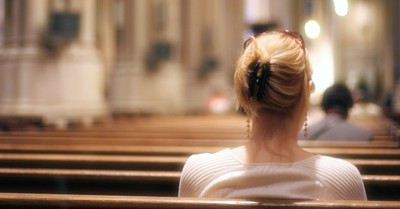
We’ve all had the experience of attending a new church where we don’t know anyone. It can be intimidating whether the church is small or large. You’re the new person, and everyone seems to know each other and gravitate into groups before or after church, so you might just slip in and out on a Sunday morning unnoticed. Many people have done this for years and miss the joys of fellowshipping and serving with fellow believers.

When I took a survey to see how churches might address the issue of overlooked people, few had any suggestions of what their church was doing beyond having friendly greeters. While the central purpose of attending church is to worship and hear the Word preached, it’s also a means of connecting with other members of the church family. When people don’t sense a welcoming atmosphere or feel overlooked, they’ll usually leave. Some people even become adverse to church entirely because of a bad experience or a church that feels cliquey or unfriendly. Others will keep searching and hopefully ultimately realize they need to also make an effort to become connected.

Let’s look at how the church, and we as congregants, can recognize the overlooked people in our churches and help them feel welcome and valued.

Photo Credit: ©iStock/Getty Images Plus/Keith Lance 

1. Nametags

1. Nametags

Often, we hesitate to approach people we don’t know, or maybe we’ve met but can’t remember their names. To avoid embarrassment, we avoid them. My husband and I once attended a church that tackled this problem by setting up greeter stations at entrances to the building, and everyone, including the pastor, filled out a nametag and wore it during service. At first, it seemed a little awkward, but then everyone adjusted, and it became normal and useful. You’re much more likely to talk to someone when you know their name.

Fear not, for I have redeemed you; I have called you by name, you are mine. Isaiah 43:1 ESV

2. Greeters and Welcoming Teams

Greeters are usually the first to meet people arriving at church. It’s essential that they are smiling, friendly, knowledgeable to answer questions and give directions, and eager to extend a handshake or even a hug if you’re a hugging church. 

Train a welcoming committee to look for people who are new, seem to be alone, or sit by themselves. Encourage the welcoming team to sit near these people during church and introduce them to people sitting nearby. They can also inform these newcomers of church activities and social functions and invite them to attend. Maybe even offer to go with them or provide a ride.

A monthly church calendar of events and meetings included in the bulletin handout is an excellent resource for information about activities that might be of interest.

Shake hands warmly with each other. Romans 16:16 (TLB)

Photo Credit: ©Getty Images/miflippo 

3. Introduce Guests or Visitors

3. Introduce Guests or Visitors

Whoever presents the announcements on Sunday morning can ask if any guests or visitors would be willing to stand up and introduce themselves. Volunteers pass out roving microphones to the guest so everyone can hear the person’s name. The congregation is then encouraged to greet these newcomers after church.  In a larger church, the guests might only be able to raise their hand or just stand up so people sitting by them can extend a welcome, and others can see who they are.

Let brotherly love continue. Do not neglect to show hospitality to strangers, for thereby some have entertained angels unawares. Hebrews 13:1-2 ESV

4. Greet Your Neighbor

Most churches have time during the service to turn and shake hands or hug those who are sitting near you. It’s also a good opportunity to spot someone who might be overlooked and greet them instead of only talking to your friends or acquaintances. People you purposely and intentionally greet will feel honored you made a special effort to say hello and convey, “Glad you’re here.”

...whatever other command there may be, are summed up in this one command: “Love your neighbor as yourself.” Romans 13:9b

Photo Credit: Unsplash/Cytonn Photography
5. Vary Where You Sit in Church

5. Vary Where You Sit in Church

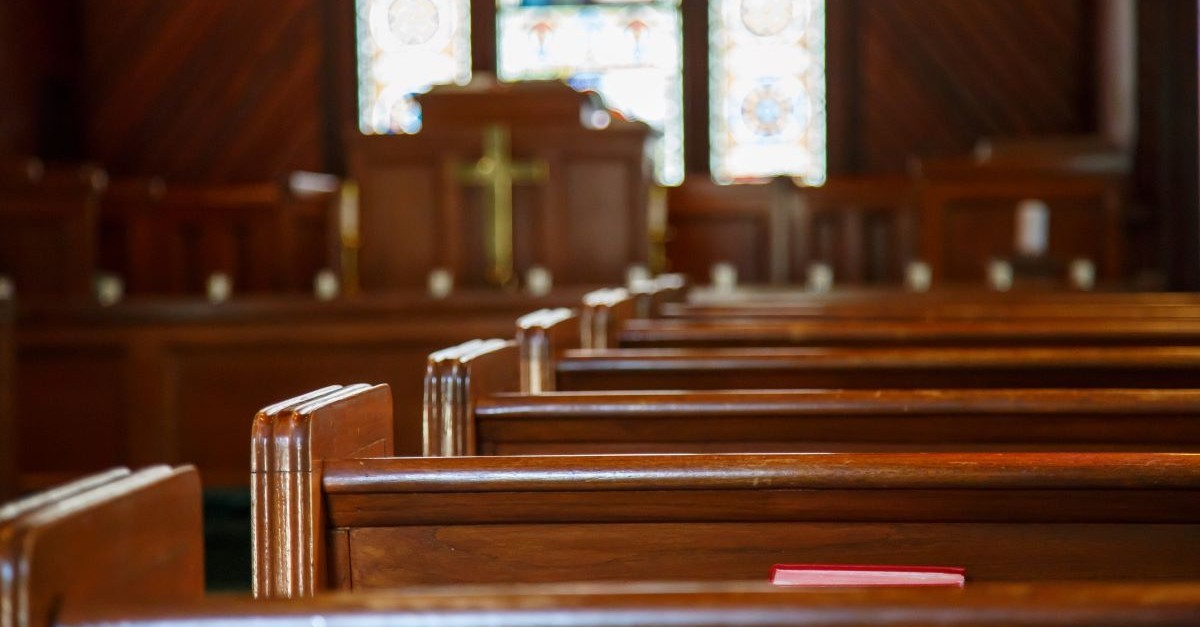
Sometimes, we intentionally or even unconsciously sit in the same section or maybe even the same seats in church every Sunday. When you do that regularly, you only see the people who typically sit near you. Just last Sunday, I looked over to where a friend always sat and was surprised to find she was sitting in a different area. She later said she decided she needed to meet people on the other side of the church. I applauded her and told her that was exactly what I was writing about in this article.

My husband and I used to sit in random areas of the church on Sundays until he started having knee surgeries and wanted to sit near the front since he’s in the worship team and also leads prayer at the podium once a month. So now, during greeting time, I get out of my seat and head over to another church section to greet a few people not sitting around us. 

Therefore encourage one another and build one another up, just as you are doing. 1 Thess. 5:11 ESV

6. Provide Coffee and Refreshments

Our church used to empty out quickly after service until we initiated a coffee and cookie bar in the lobby with volunteers providing cookies each week. Now, everyone stays and fellowships after service, and that’s a good time to greet a new attendee or someone quietly standing alone. 

Some of our closest friends are couples we started talking to over coffee and cookies when they were new to the church and invited out to lunch to get to know them better. Now we’re all dear friends. Make it a practice to invite new people or people you’ve never met before to join you and other friends after church for breakfast, lunch, or dinner, depending on the time your service ends. 

What good fellowship we once enjoyed as we walked together to the house of God. Psalm 55:14 NLT

Photo Credit: ©GettyImages/dbvirago 

7. Provide Opportunities to Serve

7. Provide Opportunities to Serve

Every church needs volunteers in a variety of areas. As the body of Christ, we need each other. Just like in our family, everyone pitches in to keep the family and the church body running smoothly. Announcing opportunities to serve from the pulpit and/or printing in the church bulletin or using flyers and signup sheets informs those who may not know who to ask where and how they can get involved. 

Sometimes, seniors in the church begin to feel overlooked and possibly unappreciated as the focus may shift to a younger, more energetic generation. That’s a big mistake and not biblical. All generations are important, actually vital, to a healthy church congregation. Older folks can meet many church needs, especially prayer, mentoring, or even folding and stuffing bulletins. 

Likewise, include the younger people in helping around the church. They have the energy and stamina to do tasks requiring both, and the more they feel needed and valued, the better chance they’ll stay connected with the church as they mature. They’re usually also very technically competent to help with audio-visual or computer tasks.

Recently, a Women’s Ministry Director from another state was recruiting women to join her team, but her email was mistakenly sent to me. When I replied to let her know I had received the email, she said her church had grown to a size where she didn’t know everyone attending anymore. I commended her for intentionally reaching out to offer women she didn’t know personally an opportunity to consider serving. 

And let us consider how to stir up one another to love and good works. Hebrews 10:24 ESV

8. Have a Church Attendee’s Picture Wall

One opportunity to serve could be a church photographer who looks for new attendees and asks if they can take their pictures to put on a picture board along with their names. This might not be as easy in a larger church, but a larger church will actually have more wall space. The advantage of a picture wall with names is that it lets people put a face with a name when approaching someone they don’t know. 

Just like a wall of family pictures at home conveys, “we’re family,” having your picture and name on the church picture board says, “I’m a part of this church family. Even if I don’t know everyone, I still belong.” 

Therefore, as we have opportunity, let us do good to all people, especially to those who belong to the family of believers. Gal. 6:10

Photo Credit: ©Getty Images/Daisy 

9. Church Potlucks

9. Church Potlucks

Not all churches have kitchens today, but they usually have a fellowship room where tables and chairs can be set up for eating. Breaking bread together always breaks the ice. Church members bring potluck entrees, salads, and desserts, and the church provides paper plates, silverware, coffee, and water. People are drawn to food. Eating together enables conversation as everyone sits around the table maybe with people they haven’t met before. Again, it’s always good to be sensitive to someone sitting alone or that you’ve never met instead of sitting only with your friends. 

Churches have gotten away from traditional potlucks, but we had a woman in our church that suggested we have one monthly so people could stay around after church, eat, and get to know each other better. She’s since moved, but we continue having potlucks the 3rd Sunday of the month where all ages eat, laugh, talk, make new friends, and fellowship.

And they devoted themselves to the apostles' teaching and the fellowship, to the breaking of bread and the prayers. Acts 2:42 ESV

10. Lunch or Dinner Groups

Another way to reach out over food is to form lunch or dinner groups. Anyone can sign up, singles, couples, seniors, young adults and then the administrator of this meal ministry randomly matches six or eight people into a group, of course keeping couples together. They can go out to a restaurant or trade going to each other’s homes. It’s a way for all ages to intermingle over a universal favorite thing to do, eating! Again, the pastor or ministry team can announce from the pulpit this innovative way to meet new people of all ages and backgrounds. You can set up guidelines for the meal groups, such as once a month for three or six months. Suggest they can meet more often if they choose. Then do it again with new groups of people.  

Offer hospitality to one another without grumbling. 1 Peter 4:9

Photo Credit: ©GettyImages/SARINYAPINNGAM
11. Bible Study, Home Groups, Classes, Support Groups, or Mentoring Ministries

11. Bible Study, Home Groups, Classes, Support Groups, or Mentoring Ministries

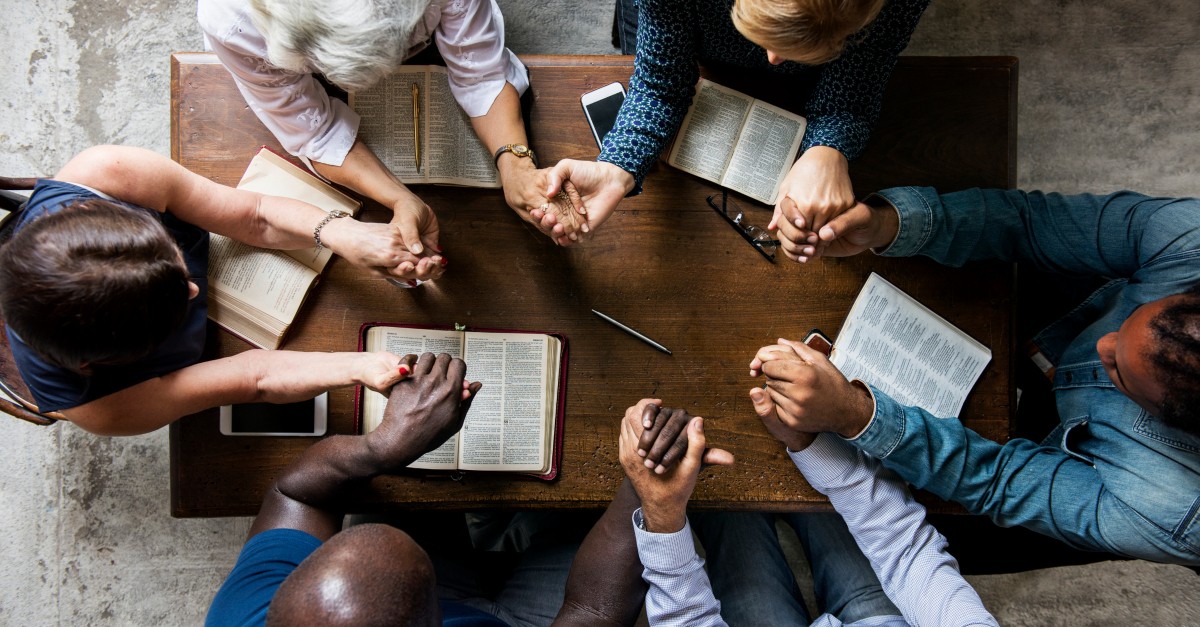
Any ministry that brings people together is a way to recognize people who might be overlooked on Sundays. For example, in the Woman to Woman Mentoring Ministry that I founded, we publicize in church the next opportunity for women to gather at a coffee meeting to be matched with a mentor or mentee and emphasize that everyone is welcome. Often, women show up that some of us had never seen before, but they were eager to be connected. Many of the mentoring matches become lifelong friends. Women return to help with the ministry. Mentees go on to become mentors, and everyone matures spiritually.

At our current church, the men have a Saturday morning breakfast the second Saturday of the month as an outreach to the community and all men are welcome to attend. They also have a Thursday morning men’s Bible study, and the women have Bible studies during the week, special events, and an annual retreat. 

My husband and I lead a Couples Group, and we actively seek new couples to join. We’ve also led a Praying for Your Prodigal support group for parents and grandparents dealing with prodigals and often are embarrassed by their situation.

Working mothers can feel overlooked, too, because often church activities for women occur during the day. When I was a single, divorced, working mom, I did feel excluded from women’s events at church and honestly a little judged.   It’s important to offer opportunities at night and to provide childcare, or these moms will be left out. 

Other groups that can feel overlooked are couples struggling with infertility, singles, widows, widowers, grieving families, people struggling with chronic illnesses or disabilities, families with incarcerated relatives, or those dealing with addictions, family members choosing alternate lifestyles. . . the list is endless of those who could benefit from church-sponsored biblical support groups. 

Not neglecting to meet together, as is the habit of some, but encouraging one another, and all the more as you see the Day drawing near. Heb. 10:25

Photo Credit: ©GettyImages/Rawpixel 

12. Game Nights or Afternoons

12. Game Nights or Afternoons

God does want us to have fun together and what better way than playing games! One that is especially conducive to everyone being recognized and involved is Bunco, not playing for money but prizes for the most Buncos, wins, even the most losses. The reason this game is so great is because you change tables and partners frequently throughout the game so everyone feels included and you meet almost everyone attending. It’s an easy friendly game, which allows for conversation and connection. A perfect outreach to invite neighbors or friends and people new to the church who might not know how to meet people. 

We were filled with laughter, and we sang for joy. Psalm 126:2 NLT

13. Newcomers Reception

Monthly or quarterly, depending on the size of your church, on a Sunday afternoon or weeknight, publicize a welcome event for new attendees. Plan a casual fellowship ambiance with dessert and/or light refreshments where people new to the church can personally meet and interact with the pastor and his wife, the church pastoral and leadership staff, especially the women’s and men’s ministry directors, and children’s ministry directors. Allow time for questions and the sharing of opportunities to become more involved in church activities.

“Anyone who welcomes you welcomes me, and anyone who welcomes me welcomes the one who sent me.” Matt. 10:40

In Dr. David Jeremiah’s January 2024 Turning Point Magazine and Devotional, he writes a compelling thought that I think is an appropriate summary of these twelve ideas and any others your church might incorporate into not overlooking anyone in your church.

“The local church, however, is still ground zero for what the Lord is doing in seeking His lost ones. The ministries and programming of your local church can become a magnet drawing people to Christ. Every church has its own unique ministries, but if it’s a Spirit-filled, Bible-centered congregation, you’ll sense a growing burden for finding lost souls.”

“I once was lost, but now I’m found.” John Newton

Photo Credit: ©GettyImages/Milko 

 

Salem News Channel Today

Sponsored Links


September 26 - Phoenix, AZ
Scottsdale Center for the Performing Arts


November 2 - Detroit, MI
Zion Christian Church in Troy


October 6 - Los Angeles, CA
Pasadena Convention Center


November 5 - San Antonio, TX
Norris Centers – The Grand Red Oak Ballroom


October 8 - Sacramento, CA
William Jessup University


November 7 - Tampa, FL
The Palladium at St. Pete College


October 22 - Minneapolis, MN
Crowne Plaza AiRE


November 15 - San Francisco, CA
Fremont Marriott Silicon Valley


October 23 - Philadelphia, PA
Green Valley Country Club


November 16 - Denver, CO
CU South Denver - Formerly Wildlife Experience


November 2 - Chicago, IL
Chicago Westin Northwest in Itasca


November 21 - Cleveland, OH
Holiday Inn Rockside in Independence


Salem Radio Network Speakers

Larry Elder is an American lawyer, writer, and radio and television personality who calls himself the "Sage of South Central" a district of Los Angeles, Larry says his philosophy is to entertain, inform, provoke and to hopefully uplift. His calling card is "we have a country to save" and to him this means returning to the bedrock Constitutional principles of limited government and maximum personal responsibility. Elder's iconoclastic wit and intellectual agility makes him a particularly attractive voice in a nation that seems weary of traditional racial dialogue.” – Los Angeles Times.

Mike Gallagher Mike Gallagher began his broadcasting career in 1978 in Dayton, Ohio. Today, he is one of the most listened-to talk radio show hosts in America, recently having been ranked in the Talkers Magazine “Heavy Hundred” list – the 100 most important talk radio hosts in America. Prior to being launched into national syndication in 1998, Mike hosted the morning show on WABC-AM in New York City. Today, Talkers Magazine reports that his show is heard by over 3.75 million weekly listeners. Besides his radio work, Mike is seen on Fox News Channel as an on-air contributor, frequently appearing on the cable news giant.

Hugh Hewitt is one of the nation’s leading bloggers and a genuine media revolutionary. He brings that expertise, his wit and what The New Yorker magazine calls his “amiable but relentless manner” to his nationally syndicated show each day.

When Dr. Sebastian Gorka was growing up, he listened to talk radio under his pillow with a transistor radio, dreaming that one day he would be behind the microphone. Beginning New Year’s Day 2019, he got his wish. Gorka now hosts America First every weekday afternoon 3 to 6pm ET. Gorka’s unique story works well on the radio. He is national security analyst for the Fox News Channel and author of two books: "Why We Fight" and "Defeating Jihad." His latest book releasing this fall is “War For America’s Soul.” He is uniquely qualified to fight the culture war and stand up for what is great about America, his adopted home country.

Broadcasting from his home station of KRLA in Los Angeles, the Dennis Prager Show is heard across the country. Everything in life – from politics to religion to relationships – is grist for Dennis’ mill. If it’s interesting, if it affects your life, then Dennis will be talking about it – with passion, humor, insight and wisdom.

Sean Hannity is a conservative radio and television host, and one of the original primetime hosts on the Fox News Channel, where he has appeared since 1996. Sean Hannity began his radio career at a college station in California, before moving on to markets in the Southeast and New York. Today, he’s one of the most listened to on-air voices. Hannity’s radio program went into national syndication on September 10, 2001, and airs on more than 500 stations. Talkers Magazine estimates Hannity’s weekly radio audience at 13.5 million. In 1996 he was hired as one of the original hosts on Fox News Channel. As host of several popular Fox programs, Hannity has become the highest-paid news anchor on television.

Michelle Malkin is a mother, wife, blogger, conservative syndicated columnist, longtime cable TV news commentator, and best-selling author of six books. She started her newspaper journalism career at the Los Angeles Daily News in 1992, moved to the Seattle Times in 1995, and has been penning nationally syndicated newspaper columns for Creators Syndicate since 1999. She is founder of conservative Internet start-ups Hot Air and Twitchy.com. Malkin has received numerous awards for her investigative journalism, including the Council on Governmental Ethics Laws (COGEL) national award for outstanding service for the cause of governmental ethics and leadership (1998), the Reed Irvine Accuracy in Media Award for Investigative Journalism (2006), the Heritage Foundation and Franklin Center for Government & Public Integrity's Breitbart Award for Excellence in Journalism (2013), the Center for Immigration Studies' Eugene Katz Award for Excellence in the Coverage of Immigration Award (2016), and the Manhattan Film Festival's Film Heals Award (2018). Married for 26 years and the mother of two teenage children, she lives with her family in Colorado. Follow her at michellemalkin.com. (Photo reprinted with kind permission from Peter Duke Photography.)

Sponsored by:

13 Ways to Recognize the Overlooked People in Your Church

Carbonatix Pre-Player Loader

Audio By Carbonatix

We’ve all had the experience of attending a new church where we don’t know anyone. It can be intimidating whether the church is small or large. You’re the new person, and everyone seems to know each other and gravitate into groups before or after church, so you might just slip in and out on a Sunday morning unnoticed. Many people have done this for years and miss the joys of fellowshipping and serving with fellow believers.

When I took a survey to see how churches might address the issue of overlooked people, few had any suggestions of what their church was doing beyond having friendly greeters. While the central purpose of attending church is to worship and hear the Word preached, it’s also a means of connecting with other members of the church family. When people don’t sense a welcoming atmosphere or feel overlooked, they’ll usually leave. Some people even become adverse to church entirely because of a bad experience or a church that feels cliquey or unfriendly. Others will keep searching and hopefully ultimately realize they need to also make an effort to become connected.

Let’s look at how the church, and we as congregants, can recognize the overlooked people in our churches and help them feel welcome and valued.

Photo Credit: ©iStock/Getty Images Plus/Keith Lance 

1. Nametags

1. Nametags

Often, we hesitate to approach people we don’t know, or maybe we’ve met but can’t remember their names. To avoid embarrassment, we avoid them. My husband and I once attended a church that tackled this problem by setting up greeter stations at entrances to the building, and everyone, including the pastor, filled out a nametag and wore it during service. At first, it seemed a little awkward, but then everyone adjusted, and it became normal and useful. You’re much more likely to talk to someone when you know their name.

Fear not, for I have redeemed you; I have called you by name, you are mine. Isaiah 43:1 ESV

2. Greeters and Welcoming Teams

Greeters are usually the first to meet people arriving at church. It’s essential that they are smiling, friendly, knowledgeable to answer questions and give directions, and eager to extend a handshake or even a hug if you’re a hugging church. 

Train a welcoming committee to look for people who are new, seem to be alone, or sit by themselves. Encourage the welcoming team to sit near these people during church and introduce them to people sitting nearby. They can also inform these newcomers of church activities and social functions and invite them to attend. Maybe even offer to go with them or provide a ride.

A monthly church calendar of events and meetings included in the bulletin handout is an excellent resource for information about activities that might be of interest.

Shake hands warmly with each other. Romans 16:16 (TLB)

Photo Credit: ©Getty Images/miflippo 

3. Introduce Guests or Visitors

3. Introduce Guests or Visitors

Whoever presents the announcements on Sunday morning can ask if any guests or visitors would be willing to stand up and introduce themselves. Volunteers pass out roving microphones to the guest so everyone can hear the person’s name. The congregation is then encouraged to greet these newcomers after church.  In a larger church, the guests might only be able to raise their hand or just stand up so people sitting by them can extend a welcome, and others can see who they are.

Let brotherly love continue. Do not neglect to show hospitality to strangers, for thereby some have entertained angels unawares. Hebrews 13:1-2 ESV

4. Greet Your Neighbor

Most churches have time during the service to turn and shake hands or hug those who are sitting near you. It’s also a good opportunity to spot someone who might be overlooked and greet them instead of only talking to your friends or acquaintances. People you purposely and intentionally greet will feel honored you made a special effort to say hello and convey, “Glad you’re here.”

...whatever other command there may be, are summed up in this one command: “Love your neighbor as yourself.” Romans 13:9b

Photo Credit: Unsplash/Cytonn Photography

5. Vary Where You Sit in Church

5. Vary Where You Sit in Church

Sometimes, we intentionally or even unconsciously sit in the same section or maybe even the same seats in church every Sunday. When you do that regularly, you only see the people who typically sit near you. Just last Sunday, I looked over to where a friend always sat and was surprised to find she was sitting in a different area. She later said she decided she needed to meet people on the other side of the church. I applauded her and told her that was exactly what I was writing about in this article.

My husband and I used to sit in random areas of the church on Sundays until he started having knee surgeries and wanted to sit near the front since he’s in the worship team and also leads prayer at the podium once a month. So now, during greeting time, I get out of my seat and head over to another church section to greet a few people not sitting around us. 

Therefore encourage one another and build one another up, just as you are doing. 1 Thess. 5:11 ESV

6. Provide Coffee and Refreshments

Our church used to empty out quickly after service until we initiated a coffee and cookie bar in the lobby with volunteers providing cookies each week. Now, everyone stays and fellowships after service, and that’s a good time to greet a new attendee or someone quietly standing alone. 

Some of our closest friends are couples we started talking to over coffee and cookies when they were new to the church and invited out to lunch to get to know them better. Now we’re all dear friends. Make it a practice to invite new people or people you’ve never met before to join you and other friends after church for breakfast, lunch, or dinner, depending on the time your service ends. 

What good fellowship we once enjoyed as we walked together to the house of God. Psalm 55:14 NLT

Photo Credit: ©GettyImages/dbvirago 

7. Provide Opportunities to Serve

7. Provide Opportunities to Serve

Every church needs volunteers in a variety of areas. As the body of Christ, we need each other. Just like in our family, everyone pitches in to keep the family and the church body running smoothly. Announcing opportunities to serve from the pulpit and/or printing in the church bulletin or using flyers and signup sheets informs those who may not know who to ask where and how they can get involved. 

Sometimes, seniors in the church begin to feel overlooked and possibly unappreciated as the focus may shift to a younger, more energetic generation. That’s a big mistake and not biblical. All generations are important, actually vital, to a healthy church congregation. Older folks can meet many church needs, especially prayer, mentoring, or even folding and stuffing bulletins. 

Likewise, include the younger people in helping around the church. They have the energy and stamina to do tasks requiring both, and the more they feel needed and valued, the better chance they’ll stay connected with the church as they mature. They’re usually also very technically competent to help with audio-visual or computer tasks.

Recently, a Women’s Ministry Director from another state was recruiting women to join her team, but her email was mistakenly sent to me. When I replied to let her know I had received the email, she said her church had grown to a size where she didn’t know everyone attending anymore. I commended her for intentionally reaching out to offer women she didn’t know personally an opportunity to consider serving. 

And let us consider how to stir up one another to love and good works. Hebrews 10:24 ESV

8. Have a Church Attendee’s Picture Wall

One opportunity to serve could be a church photographer who looks for new attendees and asks if they can take their pictures to put on a picture board along with their names. This might not be as easy in a larger church, but a larger church will actually have more wall space. The advantage of a picture wall with names is that it lets people put a face with a name when approaching someone they don’t know. 

Just like a wall of family pictures at home conveys, “we’re family,” having your picture and name on the church picture board says, “I’m a part of this church family. Even if I don’t know everyone, I still belong.” 

Therefore, as we have opportunity, let us do good to all people, especially to those who belong to the family of believers. Gal. 6:10

Photo Credit: ©Getty Images/Daisy 

9. Church Potlucks

9. Church Potlucks

Not all churches have kitchens today, but they usually have a fellowship room where tables and chairs can be set up for eating. Breaking bread together always breaks the ice. Church members bring potluck entrees, salads, and desserts, and the church provides paper plates, silverware, coffee, and water. People are drawn to food. Eating together enables conversation as everyone sits around the table maybe with people they haven’t met before. Again, it’s always good to be sensitive to someone sitting alone or that you’ve never met instead of sitting only with your friends. 

Churches have gotten away from traditional potlucks, but we had a woman in our church that suggested we have one monthly so people could stay around after church, eat, and get to know each other better. She’s since moved, but we continue having potlucks the 3rd Sunday of the month where all ages eat, laugh, talk, make new friends, and fellowship.

And they devoted themselves to the apostles' teaching and the fellowship, to the breaking of bread and the prayers. Acts 2:42 ESV

10. Lunch or Dinner Groups

Another way to reach out over food is to form lunch or dinner groups. Anyone can sign up, singles, couples, seniors, young adults and then the administrator of this meal ministry randomly matches six or eight people into a group, of course keeping couples together. They can go out to a restaurant or trade going to each other’s homes. It’s a way for all ages to intermingle over a universal favorite thing to do, eating! Again, the pastor or ministry team can announce from the pulpit this innovative way to meet new people of all ages and backgrounds. You can set up guidelines for the meal groups, such as once a month for three or six months. Suggest they can meet more often if they choose. Then do it again with new groups of people.  

Offer hospitality to one another without grumbling. 1 Peter 4:9

Photo Credit: ©GettyImages/SARINYAPINNGAM

11. Bible Study, Home Groups, Classes, Support Groups, or Mentoring Ministries

11. Bible Study, Home Groups, Classes, Support Groups, or Mentoring Ministries

Any ministry that brings people together is a way to recognize people who might be overlooked on Sundays. For example, in the Woman to Woman Mentoring Ministry that I founded, we publicize in church the next opportunity for women to gather at a coffee meeting to be matched with a mentor or mentee and emphasize that everyone is welcome. Often, women show up that some of us had never seen before, but they were eager to be connected. Many of the mentoring matches become lifelong friends. Women return to help with the ministry. Mentees go on to become mentors, and everyone matures spiritually.

At our current church, the men have a Saturday morning breakfast the second Saturday of the month as an outreach to the community and all men are welcome to attend. They also have a Thursday morning men’s Bible study, and the women have Bible studies during the week, special events, and an annual retreat. 

My husband and I lead a Couples Group, and we actively seek new couples to join. We’ve also led a Praying for Your Prodigal support group for parents and grandparents dealing with prodigals and often are embarrassed by their situation.

Working mothers can feel overlooked, too, because often church activities for women occur during the day. When I was a single, divorced, working mom, I did feel excluded from women’s events at church and honestly a little judged.   It’s important to offer opportunities at night and to provide childcare, or these moms will be left out. 

Other groups that can feel overlooked are couples struggling with infertility, singles, widows, widowers, grieving families, people struggling with chronic illnesses or disabilities, families with incarcerated relatives, or those dealing with addictions, family members choosing alternate lifestyles. . . the list is endless of those who could benefit from church-sponsored biblical support groups. 

Not neglecting to meet together, as is the habit of some, but encouraging one another, and all the more as you see the Day drawing near. Heb. 10:25

Photo Credit: ©GettyImages/Rawpixel 

12. Game Nights or Afternoons

12. Game Nights or Afternoons

God does want us to have fun together and what better way than playing games! One that is especially conducive to everyone being recognized and involved is Bunco, not playing for money but prizes for the most Buncos, wins, even the most losses. The reason this game is so great is because you change tables and partners frequently throughout the game so everyone feels included and you meet almost everyone attending. It’s an easy friendly game, which allows for conversation and connection. A perfect outreach to invite neighbors or friends and people new to the church who might not know how to meet people. 

We were filled with laughter, and we sang for joy. Psalm 126:2 NLT

13. Newcomers Reception

Monthly or quarterly, depending on the size of your church, on a Sunday afternoon or weeknight, publicize a welcome event for new attendees. Plan a casual fellowship ambiance with dessert and/or light refreshments where people new to the church can personally meet and interact with the pastor and his wife, the church pastoral and leadership staff, especially the women’s and men’s ministry directors, and children’s ministry directors. Allow time for questions and the sharing of opportunities to become more involved in church activities.

“Anyone who welcomes you welcomes me, and anyone who welcomes me welcomes the one who sent me.” Matt. 10:40

In Dr. David Jeremiah’s January 2024 Turning Point Magazine and Devotional, he writes a compelling thought that I think is an appropriate summary of these twelve ideas and any others your church might incorporate into not overlooking anyone in your church.

“The local church, however, is still ground zero for what the Lord is doing in seeking His lost ones. The ministries and programming of your local church can become a magnet drawing people to Christ. Every church has its own unique ministries, but if it’s a Spirit-filled, Bible-centered congregation, you’ll sense a growing burden for finding lost souls.”

“I once was lost, but now I’m found.” John Newton

Photo Credit: ©GettyImages/Milko 

 

Salem News Channel Today

Sponsored Links

On Air & Up Next

See the Full Program Guide