How to Keep Healthy Emotional Attachment in Your Marriage

Carbonatix Pre-Player Loader

Audio By Carbonatix

Chris and I sank deeper into our seats, holding hands and sharing headphones as our plane took off for Seattle. Eventually, a flight attendant stopped by to ask the “newlyweds” if we would like an additional set of headphones.

He was surprised to find out we were celebrating 21 years of marriage with a rendezvous anniversary trip. “No wonder you two seem so in tune,” he commented.

Chris and I haven’t always had a healthy marriage. There were times when our marriage suffered because of growing pains. We married as teens and have been through our fair share of ups and downs. However, the main bond that remains vital to any marriage is healthy emotional attachment.

Emotional connection is the bond that keeps people together. It is the glue in relationships. Many couples don’t realize that if they are not regularly connecting on an emotional level, the link that keeps them together weakens.

So what can you do to maintain a healthy emotional attachment, or heal an unhealthy one?

What Does Healthy Emotional Attachment Look Like?

Emotional connection is the ability to relate and bond with someone on a deeper level. It is the elevated feeling filled with comfort, trust, and friendship after being in a relationship with an individual for a period of time.

The word, emotional means to arouse strong feelings like the kind we first experience when we fall for someone, as well as all the thousands of feelings weaved in as you both grow together over time.

These feelings turn into memories, bonds, and links to our spouse.

The Stages of Emotional Attachment 

C. S. Lewis once wrote,  “To love is to be vulnerable.”

We are created by God to live in relationship with one another. First to God, and secondarily to each other. Our marriage represents one of the most sacred of all relationships. Sharing deep emotional connection is the glue that holds marriages together.

Emotional attachment doesn’t happen overnight. In a healthy relationship, it happens in stages.

The first stage is the friend attachment. He cares deeply about you as a friend he may want to get to know better. The more you spend time together and communicate, the more you both realize you enjoy time together.

The second stage is physical attachment based on chemistry and attraction. You both want to be around each other. You want to touch, hug, and kiss. When you begin to act on these feelings of attraction, you move into the last stage of talking, touching, and sharing for hours.

You could spend hours talking and not even realize the time has flown by. 

As a couple you begin to share life together: church, worship, prayer, friends, building a community of support as you head towards the aisle.

The bond between you grows deeper as time goes on. And even when life feels like it will unravel, even when you are fighting, you both want and need each other. You both still want the best for each other too. 

Are We in Love or Just Attached? 

You may have read the above explanation of stages for emotional attachment and you’re wondering about your current relationship.

You may be questioning if you are in love with someone or just attached to them. Love is selfless--attachment is selfish.

When you’re in love, you focus on wanting the best for your partner. You’re thinking of ways to make sure she feels loved and fulfilled.

If there were ever a Biblical definition of love, 1 John 3:16-18 explains it as, “This is how we know what love is: Jesus Christ laid down his life for us. And we ought to lay down our lives for our brothers and sisters. If anyone has material possessions and sees a brother or sister in need but has no pity on them, how can the love of God be in that person? Dear children, let us not love with words or speech but with actions and in truth.”

In other words, “Love is patient, love is kind. It does not envy, it does not boast, it is not proud.It is not rude, it is not self-seeking, it is not easily angered, it keeps no record of wrongs. Love does not delight in evil but rejoices with the truth.It always protects, always trusts, always hopes, always perseveres. Love never fails,” (1 Corinthians 13:4-8).

Love is selfless not selfish.

Love liberates, attachment controls. 

Love is sacrificial, attachment exploits 

Love grows, attachment stunts.

If your partner makes you feel used or they merely focus on ways to use you for their own happiness, these are signs of an unhealthy attachment.

Other signs include fighting constantly, keeping score of who washed the dishes last, manipulating feelings, attempting to dominate the relationship, or believing the other is responsible for your happiness.

3 Signs of Healthy Emotional Attachment 

When you are in a mutually loving relationship with healthy emotional attachment, you and your partner will grow together. This includes a healthy, secure attachment. Dr. Diane Poole Heller is a somatic attachment and trauma expert. She explains there are three tell-tale signs of a secure attachment.

1. You both are comfortable being your authentic selves.

You know your partner loves you at your worst. You trust them to love you flaws and all. They full accept you and this gives you the gift to be your authentic self. 

2. You self regulate and co-regulate when needed. 

When life throws a curveball such as job loss, character assisitnation, miscarriages, etc, you have the ability to restore your own mental and emotional state and also support your partner at the same time. There is mutual trust between partners knowing they can count on each other.

3. You both feel safe and valued by one another. 

Your partner is an anchor in life’s storms. Knowing he is there for you during difficult times is another aspect of a healthy relationship. Couples who have a rocky foundation may threaten to leave each other for minor conflicts or use it as leverage.

How to Fix Unhealthy Emotional Attachment

If you are in a relationship that is unhealthy, the first step is to acknowledge it.

Both of you need to be honest about the unhealthy aspects of the relationship. If you are dating, the next step is to consider taking a break or going to counseling. Find a good Biblical counselor that specializes in marriage and relationships.

It’s important to remember you didn’t get here overnight. It may be months to weed out the issues that stunted growth for the both of you in the first place. Both of you need to be prepared that you will heal and grow at a different rate.

The key is patience and asking God for guidance throughout the process.

DO: 

  • Watch for signs that you’re putting too much time or energy into the relationship and that it is hurting your performance, other areas of your life, or productivity. 
  • Shift how you interact with that person and spend less time with them. 
  • Offer to connect them with a professional who can help them with their problems.

DON’T:

  • Cut them off entirely unless it is detrimental to your career, mental health, or life. 
  • Break the boundaries you’ve set. Don’t let them suck you back in. 
  • Place blame. Chances are, you had some responsibility in the role of creating an unhealthy relationship.

How to Stop Unhealthy Attachments 

It is possible to have unhealthy attachments to friends, parents, and even coworkers. The key is to recognize what you are doing to contribute to the relationship and break the habit.

If you are neglecting work to tend to an office friend, it’s a sign that something needs to change. Other red flags include the feeling of being on an emotional roller coaster or you may feel more attached to the other person than their experiences than your own.

These feelings and situations translate to parenting relationships and friends too. This doesn’t mean you need to break all ties with this individual. But it does mean you can create small shifts in the narrative, limit the time together, and hold strong to your commitment to get healthy.

The most important thing about these kinds of relationships is healing yourself.

Ask God for healing, wisdom, and insight. Going to counseling or seeking professional help can create a new way of living where you find freedom to pursue healthy relationships where old patterns of thinking and acting will not be repeated. It starts with healing your soul first.

It’s also vitally important to know and value your worth.

God never intended for you to be a doormat or to be used by someone else. Value yourself enough to walk away if you feel that you’re giving more than you’re receiving in the relationship. If they don’t reciprocate, they’re definitely not worth it.

Remind yourself what God sees, remember he created a beautiful and interesting individual and don’t let anyone make you doubt that. 

Healthy emotional attachment in our marriages is an absolute gift, and a reflection of how close God wants to be with his creation. Let's strive to honor this gift.

Photo Credit: ©GettyImages/MangoStarStudio
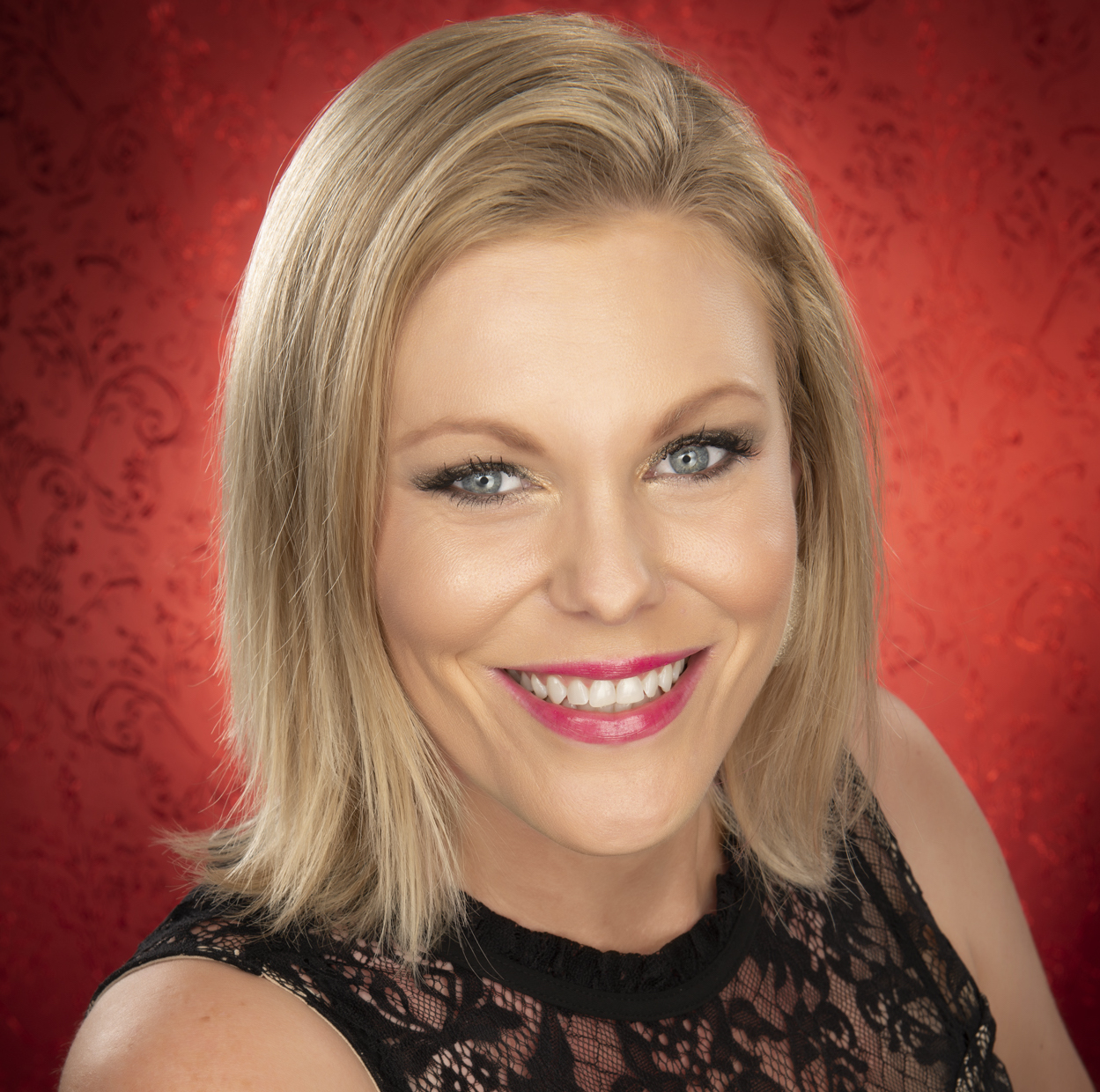

Heather Riggleman is a believer, wife, mom, author, social media consultant, and full-time writer. She lives in Minden, Nebraska with her kids, high school sweetheart, and three cats who are her entourage around the homestead. She is a former award-winning journalist with over 2,000 articles published. She is full of grace and grit, raw honesty, and truly believes tacos can solve just about any situation. You can find her on GodUpdates, iBelieve, Crosswalk, Hello Darling, Focus On The Family, and in Brio Magazine. Connect with her at www.HeatherRiggleman.com or on Facebook.  

 

Salem News Channel Today

Sponsored Links


September 26 - Phoenix, AZ
Scottsdale Center for the Performing Arts


November 2 - Detroit, MI
Zion Christian Church in Troy


October 6 - Los Angeles, CA
Pasadena Convention Center


November 5 - San Antonio, TX
Norris Centers – The Grand Red Oak Ballroom


October 8 - Sacramento, CA
William Jessup University


November 7 - Tampa, FL
The Palladium at St. Pete College


October 22 - Minneapolis, MN
Crowne Plaza AiRE


November 15 - San Francisco, CA
Fremont Marriott Silicon Valley


October 23 - Philadelphia, PA
Green Valley Country Club


November 16 - Denver, CO
CU South Denver - Formerly Wildlife Experience


November 2 - Chicago, IL
Chicago Westin Northwest in Itasca


November 21 - Cleveland, OH
Holiday Inn Rockside in Independence


Salem Radio Network Speakers

Larry Elder is an American lawyer, writer, and radio and television personality who calls himself the "Sage of South Central" a district of Los Angeles, Larry says his philosophy is to entertain, inform, provoke and to hopefully uplift. His calling card is "we have a country to save" and to him this means returning to the bedrock Constitutional principles of limited government and maximum personal responsibility. Elder's iconoclastic wit and intellectual agility makes him a particularly attractive voice in a nation that seems weary of traditional racial dialogue.” – Los Angeles Times.

Mike Gallagher Mike Gallagher began his broadcasting career in 1978 in Dayton, Ohio. Today, he is one of the most listened-to talk radio show hosts in America, recently having been ranked in the Talkers Magazine “Heavy Hundred” list – the 100 most important talk radio hosts in America. Prior to being launched into national syndication in 1998, Mike hosted the morning show on WABC-AM in New York City. Today, Talkers Magazine reports that his show is heard by over 3.75 million weekly listeners. Besides his radio work, Mike is seen on Fox News Channel as an on-air contributor, frequently appearing on the cable news giant.

Hugh Hewitt is one of the nation’s leading bloggers and a genuine media revolutionary. He brings that expertise, his wit and what The New Yorker magazine calls his “amiable but relentless manner” to his nationally syndicated show each day.

When Dr. Sebastian Gorka was growing up, he listened to talk radio under his pillow with a transistor radio, dreaming that one day he would be behind the microphone. Beginning New Year’s Day 2019, he got his wish. Gorka now hosts America First every weekday afternoon 3 to 6pm ET. Gorka’s unique story works well on the radio. He is national security analyst for the Fox News Channel and author of two books: "Why We Fight" and "Defeating Jihad." His latest book releasing this fall is “War For America’s Soul.” He is uniquely qualified to fight the culture war and stand up for what is great about America, his adopted home country.

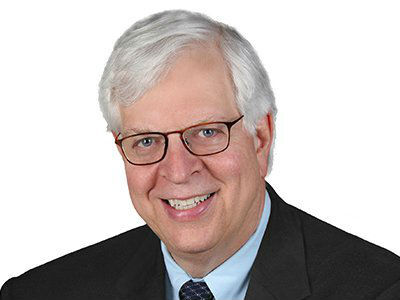
Broadcasting from his home station of KRLA in Los Angeles, the Dennis Prager Show is heard across the country. Everything in life – from politics to religion to relationships – is grist for Dennis’ mill. If it’s interesting, if it affects your life, then Dennis will be talking about it – with passion, humor, insight and wisdom.

Sean Hannity is a conservative radio and television host, and one of the original primetime hosts on the Fox News Channel, where he has appeared since 1996. Sean Hannity began his radio career at a college station in California, before moving on to markets in the Southeast and New York. Today, he’s one of the most listened to on-air voices. Hannity’s radio program went into national syndication on September 10, 2001, and airs on more than 500 stations. Talkers Magazine estimates Hannity’s weekly radio audience at 13.5 million. In 1996 he was hired as one of the original hosts on Fox News Channel. As host of several popular Fox programs, Hannity has become the highest-paid news anchor on television.

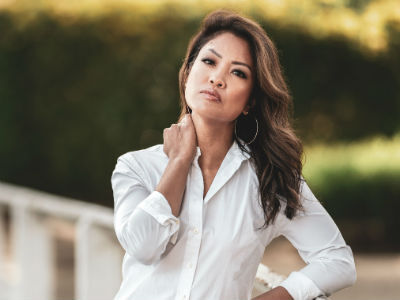
Michelle Malkin is a mother, wife, blogger, conservative syndicated columnist, longtime cable TV news commentator, and best-selling author of six books. She started her newspaper journalism career at the Los Angeles Daily News in 1992, moved to the Seattle Times in 1995, and has been penning nationally syndicated newspaper columns for Creators Syndicate since 1999. She is founder of conservative Internet start-ups Hot Air and Twitchy.com. Malkin has received numerous awards for her investigative journalism, including the Council on Governmental Ethics Laws (COGEL) national award for outstanding service for the cause of governmental ethics and leadership (1998), the Reed Irvine Accuracy in Media Award for Investigative Journalism (2006), the Heritage Foundation and Franklin Center for Government & Public Integrity's Breitbart Award for Excellence in Journalism (2013), the Center for Immigration Studies' Eugene Katz Award for Excellence in the Coverage of Immigration Award (2016), and the Manhattan Film Festival's Film Heals Award (2018). Married for 26 years and the mother of two teenage children, she lives with her family in Colorado. Follow her at michellemalkin.com. (Photo reprinted with kind permission from Peter Duke Photography.)

Sponsored by:

How to Keep Healthy Emotional Attachment in Your Marriage

Carbonatix Pre-Player Loader

Audio By Carbonatix

Chris and I sank deeper into our seats, holding hands and sharing headphones as our plane took off for Seattle. Eventually, a flight attendant stopped by to ask the “newlyweds” if we would like an additional set of headphones.

He was surprised to find out we were celebrating 21 years of marriage with a rendezvous anniversary trip. “No wonder you two seem so in tune,” he commented.

Chris and I haven’t always had a healthy marriage. There were times when our marriage suffered because of growing pains. We married as teens and have been through our fair share of ups and downs. However, the main bond that remains vital to any marriage is healthy emotional attachment.

Emotional connection is the bond that keeps people together. It is the glue in relationships. Many couples don’t realize that if they are not regularly connecting on an emotional level, the link that keeps them together weakens.

So what can you do to maintain a healthy emotional attachment, or heal an unhealthy one?

What Does Healthy Emotional Attachment Look Like?

Emotional connection is the ability to relate and bond with someone on a deeper level. It is the elevated feeling filled with comfort, trust, and friendship after being in a relationship with an individual for a period of time.

The word, emotional means to arouse strong feelings like the kind we first experience when we fall for someone, as well as all the thousands of feelings weaved in as you both grow together over time.

These feelings turn into memories, bonds, and links to our spouse.

The Stages of Emotional Attachment 

C. S. Lewis once wrote,  “To love is to be vulnerable.”

We are created by God to live in relationship with one another. First to God, and secondarily to each other. Our marriage represents one of the most sacred of all relationships. Sharing deep emotional connection is the glue that holds marriages together.

Emotional attachment doesn’t happen overnight. In a healthy relationship, it happens in stages.

The first stage is the friend attachment. He cares deeply about you as a friend he may want to get to know better. The more you spend time together and communicate, the more you both realize you enjoy time together.

The second stage is physical attachment based on chemistry and attraction. You both want to be around each other. You want to touch, hug, and kiss. When you begin to act on these feelings of attraction, you move into the last stage of talking, touching, and sharing for hours.

You could spend hours talking and not even realize the time has flown by. 

As a couple you begin to share life together: church, worship, prayer, friends, building a community of support as you head towards the aisle.

The bond between you grows deeper as time goes on. And even when life feels like it will unravel, even when you are fighting, you both want and need each other. You both still want the best for each other too. 

Are We in Love or Just Attached? 

You may have read the above explanation of stages for emotional attachment and you’re wondering about your current relationship.

You may be questioning if you are in love with someone or just attached to them. Love is selfless--attachment is selfish.

When you’re in love, you focus on wanting the best for your partner. You’re thinking of ways to make sure she feels loved and fulfilled.

If there were ever a Biblical definition of love, 1 John 3:16-18 explains it as, “This is how we know what love is: Jesus Christ laid down his life for us. And we ought to lay down our lives for our brothers and sisters. If anyone has material possessions and sees a brother or sister in need but has no pity on them, how can the love of God be in that person? Dear children, let us not love with words or speech but with actions and in truth.”

In other words, “Love is patient, love is kind. It does not envy, it does not boast, it is not proud.It is not rude, it is not self-seeking, it is not easily angered, it keeps no record of wrongs. Love does not delight in evil but rejoices with the truth.It always protects, always trusts, always hopes, always perseveres. Love never fails,” (1 Corinthians 13:4-8).

Love is selfless not selfish.

Love liberates, attachment controls. 

Love is sacrificial, attachment exploits 

Love grows, attachment stunts.

If your partner makes you feel used or they merely focus on ways to use you for their own happiness, these are signs of an unhealthy attachment.

Other signs include fighting constantly, keeping score of who washed the dishes last, manipulating feelings, attempting to dominate the relationship, or believing the other is responsible for your happiness.

3 Signs of Healthy Emotional Attachment 

When you are in a mutually loving relationship with healthy emotional attachment, you and your partner will grow together. This includes a healthy, secure attachment. Dr. Diane Poole Heller is a somatic attachment and trauma expert. She explains there are three tell-tale signs of a secure attachment.

1. You both are comfortable being your authentic selves.

You know your partner loves you at your worst. You trust them to love you flaws and all. They full accept you and this gives you the gift to be your authentic self. 

2. You self regulate and co-regulate when needed. 

When life throws a curveball such as job loss, character assisitnation, miscarriages, etc, you have the ability to restore your own mental and emotional state and also support your partner at the same time. There is mutual trust between partners knowing they can count on each other.

3. You both feel safe and valued by one another. 

Your partner is an anchor in life’s storms. Knowing he is there for you during difficult times is another aspect of a healthy relationship. Couples who have a rocky foundation may threaten to leave each other for minor conflicts or use it as leverage.

How to Fix Unhealthy Emotional Attachment

If you are in a relationship that is unhealthy, the first step is to acknowledge it.

Both of you need to be honest about the unhealthy aspects of the relationship. If you are dating, the next step is to consider taking a break or going to counseling. Find a good Biblical counselor that specializes in marriage and relationships.

It’s important to remember you didn’t get here overnight. It may be months to weed out the issues that stunted growth for the both of you in the first place. Both of you need to be prepared that you will heal and grow at a different rate.

The key is patience and asking God for guidance throughout the process.

DO: 

  • Watch for signs that you’re putting too much time or energy into the relationship and that it is hurting your performance, other areas of your life, or productivity. 
  • Shift how you interact with that person and spend less time with them. 
  • Offer to connect them with a professional who can help them with their problems.

DON’T:

  • Cut them off entirely unless it is detrimental to your career, mental health, or life. 
  • Break the boundaries you’ve set. Don’t let them suck you back in. 
  • Place blame. Chances are, you had some responsibility in the role of creating an unhealthy relationship.

How to Stop Unhealthy Attachments 

It is possible to have unhealthy attachments to friends, parents, and even coworkers. The key is to recognize what you are doing to contribute to the relationship and break the habit.

If you are neglecting work to tend to an office friend, it’s a sign that something needs to change. Other red flags include the feeling of being on an emotional roller coaster or you may feel more attached to the other person than their experiences than your own.

These feelings and situations translate to parenting relationships and friends too. This doesn’t mean you need to break all ties with this individual. But it does mean you can create small shifts in the narrative, limit the time together, and hold strong to your commitment to get healthy.

The most important thing about these kinds of relationships is healing yourself.

Ask God for healing, wisdom, and insight. Going to counseling or seeking professional help can create a new way of living where you find freedom to pursue healthy relationships where old patterns of thinking and acting will not be repeated. It starts with healing your soul first.

It’s also vitally important to know and value your worth.

God never intended for you to be a doormat or to be used by someone else. Value yourself enough to walk away if you feel that you’re giving more than you’re receiving in the relationship. If they don’t reciprocate, they’re definitely not worth it.

Remind yourself what God sees, remember he created a beautiful and interesting individual and don’t let anyone make you doubt that. 

Healthy emotional attachment in our marriages is an absolute gift, and a reflection of how close God wants to be with his creation. Let's strive to honor this gift.

Photo Credit: ©GettyImages/MangoStarStudio


Heather Riggleman is a believer, wife, mom, author, social media consultant, and full-time writer. She lives in Minden, Nebraska with her kids, high school sweetheart, and three cats who are her entourage around the homestead. She is a former award-winning journalist with over 2,000 articles published. She is full of grace and grit, raw honesty, and truly believes tacos can solve just about any situation. You can find her on GodUpdates, iBelieve, Crosswalk, Hello Darling, Focus On The Family, and in Brio Magazine. Connect with her at www.HeatherRiggleman.com or on Facebook.  

 

Salem News Channel Today

Sponsored Links

On Air & Up Next

See the Full Program Guide