Why Can We Not Serve Both God and Money?

Carbonatix Pre-Player Loader

Audio By Carbonatix

“‘No one can serve two masters. Either you will hate the one and love the other, or you will be devoted to the one and despise the other. You cannot serve both God and money’” (Matthew 6:24).

The Old Testament in the Bible offers many principles about earning and handling money in a righteous way. And in the Gospels, Jesus built on those past lessons by exploring the idea that how we deal with money actually reveals the state of our hearts.

The Lord didn’t tell His listeners not to pursue gaining wealth. But He did give them a caution not to make that a higher priority in life than obeying and serving God. In the same chapter, He pointed out a truth about human nature - “For where your treasure is, there your heart will be also.”

What Does Matthew 6:24 Mean?

So many earthly things can pull us away from God. This verse is a call for Christians to make a conscious choice of not only what they will serve, but how they will live each day.

Even in Jesus’ time, materialism had a hold on some people, like the religious elite and certain tax collectors. They made great efforts to keep their positions of power, partly to protect their wealth. But Jesus knew that anyone could become a slave to a “wanting more” type of mindset, and that he or she could be destroyed by it. So, He publicly reminded believers that their time and energy must be directed toward the things of God.

Christ was also talking about the larger issue of idolatry, of putting anything before God in our lives. A hunger for money can replace the desire for our Heavenly Father and decrease our faith. He hinted at this idea is in His Parable about the four soils:

“‘Still others, like seed sown among thorns, hear the word; but the worries of this life, the deceitfulness of wealth and the desires for other things come in and choke the word, making it unfruitful’” (Mark 4:18).

What Else Is Happening in Matthew 6?

Matthew 6:24 is part of what is called The Sermon on the Mount - a series of teachings by Jesus, perhaps given over a period of days. Along with His disciples, an enormous crowd had gathered to hear Him. Some were merely curious to see the new Rabbi, and others were deeply passionate about following God. But Jesus used this moment to counsel every person there about living rightly.

The Sermon actually begins in chapter 5 and continues through the end of chapter 7.  Each of the teachings address what Godly social behavior looks like. But, in a deeper way, they also speak to what a person’s inner character must be.

The start of chapter 6 demonstrates how to approach giving to the needy, as well as prayer and fasting. Jesus stressed the importance of being humble while doing good works, as opposed to the religious elite’s very public displays of goodness.

“‘But when you give to the needy, do not let your left hand know what your right hand is doing, so that your giving may be in secret’” (Matthew 6:3-4).

“‘But when you pray, go into your room, close the door and pray to your Father … And when you pray, do not keep on babbling like pagans…’” (Matthew 6:6a, 7a).

“‘But when you fast, put oil on your head and wash your face, so that it will not be obvious to others that you are fasting, but only to your Father…’” (Matthew 6:17-18a).

Later, after speaking on the subject of money, Jesus encouraged letting go of worry, and to trust that God already knows what we need and is more than able to provide it.

Does Following God Mean We Can't Be Rich or Wise with Our Money?

Money is an object, an important tool for getting what we need and want. And some people in the Bible and in today’s world are certainly blessed with more than others. Scripture makes a point of reminding us, though, that whatever money we do have comes from only one source.

“But remember the Lord your God, for it is he who gives you the ability to produce wealth, and so confirms his covenant, which he swore to your ancestors, as it is today” (Deuteronomy 8:18).

We must avoid seeking to get, hold and use money only to fulfill our own desires. God’s Word urges us to use it to bless others as well.

“Command those who are rich in this present world not to be arrogant nor to put their hope in wealth, which is so uncertain, but to put their hope in God, who richly provides us with everything for our enjoyment. Command them to do good, to be rich in good deeds, and to be generous and willing to share. In this way they will lay up treasure for themselves as a firm foundation for the coming age, so that they may take hold of the life that is truly life” (1 Timothy 6:17-19). 

Jesus called His followers to use wealth for good, not selfish, ends. Two of His Parables show the stark difference in the choices two men make in regards to their money.

1. The Parable of the Good Samaritan 

Jesus told the tale of a man who was attacked by robbers on his way to Jericho. Then He described how both a priest and a Levite walk past, leaving the man lying beaten on the street. But someone steps in, using his own money to help this poor man.

“But a Samaritan, as he traveled, came where the man was; and when he saw him, he took pity on him. He went to him and bandaged his wounds, pouring on oil and wine. Then he put the man on his own donkey, brought him to an inn and took care of him. The next day, he took out two denarii and gave them to the innkeeper” (Luke 10:33-35).

2. The Parable of the Rich Fool

To warn His listeners about the ruin that greed causes, Jesus shared the story of a man who experienced an abundant harvest. This man, not sure what to do with his surplus grain, decided to build a bigger barn to store all he had. He planned to live a life of leisure from then on. But he received a frightful message.

“But God said to him, ‘You fool! This very night your life will be demanded from you. Then who will get what you have prepared for yourself?’ ‘This is how it will be with whoever stores up things for themselves but is not rich toward God’” (Luke 12:20-21).

How Can We Begin to Break Free from the Master of Money?

To change an unhealthy mindset or behavior pattern, becoming self-aware is always an important first step. So, doing even a simple inventory to understand our motives better is time well spent. And taking moments to meditate on related Bible verses will provide us with guidance and encouragement.

Here are some questions to consider.

What do you spend your time thinking about?

“For the love of money is a root of all kinds of evil. Some people, eager for money, have wandered from the faith and pierced themselves with many griefs” (1 Timothy 6:10).

Are you more thankful for God’s presence or for His presents? 

“Keep your lives free from the love of money and be content with what you have, because God has said, ‘Never will I leave you; never will I forsake you’” (Hebrews 13:5).

Do you trust God to provide for your needs, and even some of your wants?

“And my God will meet all your needs according to the riches of his glory in Christ Jesus” (Philippians 4:19).

Who could be an accountability partner for you in this area?

“Then he said to them, ‘Watch out! Be on your guard against all kinds of greed; life does not consist in an abundance of possessions’” (Luke 12:15).

Making the decision to seek God first is not only wise, but results in a more peaceful and joyful life. For He is a gracious and loving master. And the blessings He will bring to us far outweigh anything money could buy.

Photo credit: ©Unsplash/ Emil Kalibradov
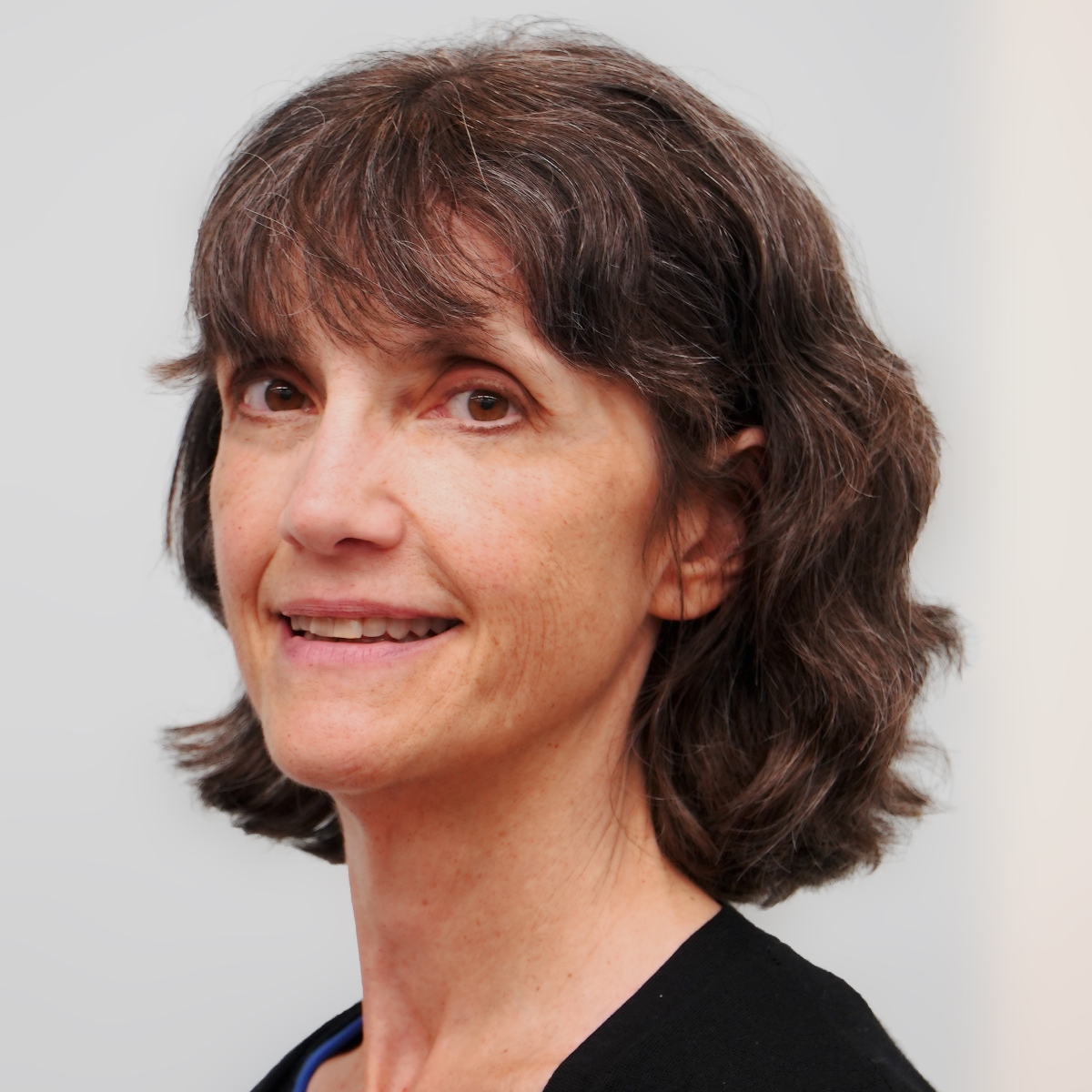

Heather Adams 1200x1200Heather Adams is an author, speaker, and singer living in Connecticut. Heather’s passion is to equip and encourage believers to seek more of God’s truth and to experience more of His joy each day. Her book, Bow Down: The Heart of a True Worshipper is a practical, 30-day devotional about worship based on the writings of King David. Heather's blog, Worship Walk Ministries, offers weekly Scripture passages and insights to ponder. A native New Englander, Heather is settling into her home in the South, trying out local foods and watching for the alligators that live nearby!



 

Salem News Channel Today

Sponsored Links


September 26 - Phoenix, AZ
Scottsdale Center for the Performing Arts


November 2 - Detroit, MI
Zion Christian Church in Troy


October 6 - Los Angeles, CA
Pasadena Convention Center


November 5 - San Antonio, TX
Norris Centers – The Grand Red Oak Ballroom


October 8 - Sacramento, CA
William Jessup University


November 7 - Tampa, FL
The Palladium at St. Pete College


October 22 - Minneapolis, MN
Crowne Plaza AiRE


November 15 - San Francisco, CA
Fremont Marriott Silicon Valley


October 23 - Philadelphia, PA
Green Valley Country Club


November 16 - Denver, CO
CU South Denver - Formerly Wildlife Experience


November 2 - Chicago, IL
Chicago Westin Northwest in Itasca


November 21 - Cleveland, OH
Holiday Inn Rockside in Independence


Salem Radio Network Speakers

Larry Elder is an American lawyer, writer, and radio and television personality who calls himself the "Sage of South Central" a district of Los Angeles, Larry says his philosophy is to entertain, inform, provoke and to hopefully uplift. His calling card is "we have a country to save" and to him this means returning to the bedrock Constitutional principles of limited government and maximum personal responsibility. Elder's iconoclastic wit and intellectual agility makes him a particularly attractive voice in a nation that seems weary of traditional racial dialogue.” – Los Angeles Times.

Mike Gallagher Mike Gallagher began his broadcasting career in 1978 in Dayton, Ohio. Today, he is one of the most listened-to talk radio show hosts in America, recently having been ranked in the Talkers Magazine “Heavy Hundred” list – the 100 most important talk radio hosts in America. Prior to being launched into national syndication in 1998, Mike hosted the morning show on WABC-AM in New York City. Today, Talkers Magazine reports that his show is heard by over 3.75 million weekly listeners. Besides his radio work, Mike is seen on Fox News Channel as an on-air contributor, frequently appearing on the cable news giant.

Hugh Hewitt is one of the nation’s leading bloggers and a genuine media revolutionary. He brings that expertise, his wit and what The New Yorker magazine calls his “amiable but relentless manner” to his nationally syndicated show each day.

When Dr. Sebastian Gorka was growing up, he listened to talk radio under his pillow with a transistor radio, dreaming that one day he would be behind the microphone. Beginning New Year’s Day 2019, he got his wish. Gorka now hosts America First every weekday afternoon 3 to 6pm ET. Gorka’s unique story works well on the radio. He is national security analyst for the Fox News Channel and author of two books: "Why We Fight" and "Defeating Jihad." His latest book releasing this fall is “War For America’s Soul.” He is uniquely qualified to fight the culture war and stand up for what is great about America, his adopted home country.

Broadcasting from his home station of KRLA in Los Angeles, the Dennis Prager Show is heard across the country. Everything in life – from politics to religion to relationships – is grist for Dennis’ mill. If it’s interesting, if it affects your life, then Dennis will be talking about it – with passion, humor, insight and wisdom.

Sean Hannity is a conservative radio and television host, and one of the original primetime hosts on the Fox News Channel, where he has appeared since 1996. Sean Hannity began his radio career at a college station in California, before moving on to markets in the Southeast and New York. Today, he’s one of the most listened to on-air voices. Hannity’s radio program went into national syndication on September 10, 2001, and airs on more than 500 stations. Talkers Magazine estimates Hannity’s weekly radio audience at 13.5 million. In 1996 he was hired as one of the original hosts on Fox News Channel. As host of several popular Fox programs, Hannity has become the highest-paid news anchor on television.

Michelle Malkin is a mother, wife, blogger, conservative syndicated columnist, longtime cable TV news commentator, and best-selling author of six books. She started her newspaper journalism career at the Los Angeles Daily News in 1992, moved to the Seattle Times in 1995, and has been penning nationally syndicated newspaper columns for Creators Syndicate since 1999. She is founder of conservative Internet start-ups Hot Air and Twitchy.com. Malkin has received numerous awards for her investigative journalism, including the Council on Governmental Ethics Laws (COGEL) national award for outstanding service for the cause of governmental ethics and leadership (1998), the Reed Irvine Accuracy in Media Award for Investigative Journalism (2006), the Heritage Foundation and Franklin Center for Government & Public Integrity's Breitbart Award for Excellence in Journalism (2013), the Center for Immigration Studies' Eugene Katz Award for Excellence in the Coverage of Immigration Award (2016), and the Manhattan Film Festival's Film Heals Award (2018). Married for 26 years and the mother of two teenage children, she lives with her family in Colorado. Follow her at michellemalkin.com. (Photo reprinted with kind permission from Peter Duke Photography.)

Sponsored by:

Why Can We Not Serve Both God and Money?

Carbonatix Pre-Player Loader

Audio By Carbonatix

“‘No one can serve two masters. Either you will hate the one and love the other, or you will be devoted to the one and despise the other. You cannot serve both God and money’” (Matthew 6:24).

The Old Testament in the Bible offers many principles about earning and handling money in a righteous way. And in the Gospels, Jesus built on those past lessons by exploring the idea that how we deal with money actually reveals the state of our hearts.

The Lord didn’t tell His listeners not to pursue gaining wealth. But He did give them a caution not to make that a higher priority in life than obeying and serving God. In the same chapter, He pointed out a truth about human nature - “For where your treasure is, there your heart will be also.”

What Does Matthew 6:24 Mean?

So many earthly things can pull us away from God. This verse is a call for Christians to make a conscious choice of not only what they will serve, but how they will live each day.

Even in Jesus’ time, materialism had a hold on some people, like the religious elite and certain tax collectors. They made great efforts to keep their positions of power, partly to protect their wealth. But Jesus knew that anyone could become a slave to a “wanting more” type of mindset, and that he or she could be destroyed by it. So, He publicly reminded believers that their time and energy must be directed toward the things of God.

Christ was also talking about the larger issue of idolatry, of putting anything before God in our lives. A hunger for money can replace the desire for our Heavenly Father and decrease our faith. He hinted at this idea is in His Parable about the four soils:

“‘Still others, like seed sown among thorns, hear the word; but the worries of this life, the deceitfulness of wealth and the desires for other things come in and choke the word, making it unfruitful’” (Mark 4:18).

What Else Is Happening in Matthew 6?

Matthew 6:24 is part of what is called The Sermon on the Mount - a series of teachings by Jesus, perhaps given over a period of days. Along with His disciples, an enormous crowd had gathered to hear Him. Some were merely curious to see the new Rabbi, and others were deeply passionate about following God. But Jesus used this moment to counsel every person there about living rightly.

The Sermon actually begins in chapter 5 and continues through the end of chapter 7.  Each of the teachings address what Godly social behavior looks like. But, in a deeper way, they also speak to what a person’s inner character must be.

The start of chapter 6 demonstrates how to approach giving to the needy, as well as prayer and fasting. Jesus stressed the importance of being humble while doing good works, as opposed to the religious elite’s very public displays of goodness.

“‘But when you give to the needy, do not let your left hand know what your right hand is doing, so that your giving may be in secret’” (Matthew 6:3-4).

“‘But when you pray, go into your room, close the door and pray to your Father … And when you pray, do not keep on babbling like pagans…’” (Matthew 6:6a, 7a).

“‘But when you fast, put oil on your head and wash your face, so that it will not be obvious to others that you are fasting, but only to your Father…’” (Matthew 6:17-18a).

Later, after speaking on the subject of money, Jesus encouraged letting go of worry, and to trust that God already knows what we need and is more than able to provide it.

Does Following God Mean We Can't Be Rich or Wise with Our Money?

Money is an object, an important tool for getting what we need and want. And some people in the Bible and in today’s world are certainly blessed with more than others. Scripture makes a point of reminding us, though, that whatever money we do have comes from only one source.

“But remember the Lord your God, for it is he who gives you the ability to produce wealth, and so confirms his covenant, which he swore to your ancestors, as it is today” (Deuteronomy 8:18).

We must avoid seeking to get, hold and use money only to fulfill our own desires. God’s Word urges us to use it to bless others as well.

“Command those who are rich in this present world not to be arrogant nor to put their hope in wealth, which is so uncertain, but to put their hope in God, who richly provides us with everything for our enjoyment. Command them to do good, to be rich in good deeds, and to be generous and willing to share. In this way they will lay up treasure for themselves as a firm foundation for the coming age, so that they may take hold of the life that is truly life” (1 Timothy 6:17-19). 

Jesus called His followers to use wealth for good, not selfish, ends. Two of His Parables show the stark difference in the choices two men make in regards to their money.

1. The Parable of the Good Samaritan 

Jesus told the tale of a man who was attacked by robbers on his way to Jericho. Then He described how both a priest and a Levite walk past, leaving the man lying beaten on the street. But someone steps in, using his own money to help this poor man.

“But a Samaritan, as he traveled, came where the man was; and when he saw him, he took pity on him. He went to him and bandaged his wounds, pouring on oil and wine. Then he put the man on his own donkey, brought him to an inn and took care of him. The next day, he took out two denarii and gave them to the innkeeper” (Luke 10:33-35).

2. The Parable of the Rich Fool

To warn His listeners about the ruin that greed causes, Jesus shared the story of a man who experienced an abundant harvest. This man, not sure what to do with his surplus grain, decided to build a bigger barn to store all he had. He planned to live a life of leisure from then on. But he received a frightful message.

“But God said to him, ‘You fool! This very night your life will be demanded from you. Then who will get what you have prepared for yourself?’ ‘This is how it will be with whoever stores up things for themselves but is not rich toward God’” (Luke 12:20-21).

How Can We Begin to Break Free from the Master of Money?

To change an unhealthy mindset or behavior pattern, becoming self-aware is always an important first step. So, doing even a simple inventory to understand our motives better is time well spent. And taking moments to meditate on related Bible verses will provide us with guidance and encouragement.

Here are some questions to consider.

What do you spend your time thinking about?

“For the love of money is a root of all kinds of evil. Some people, eager for money, have wandered from the faith and pierced themselves with many griefs” (1 Timothy 6:10).

Are you more thankful for God’s presence or for His presents? 

“Keep your lives free from the love of money and be content with what you have, because God has said, ‘Never will I leave you; never will I forsake you’” (Hebrews 13:5).

Do you trust God to provide for your needs, and even some of your wants?

“And my God will meet all your needs according to the riches of his glory in Christ Jesus” (Philippians 4:19).

Who could be an accountability partner for you in this area?

“Then he said to them, ‘Watch out! Be on your guard against all kinds of greed; life does not consist in an abundance of possessions’” (Luke 12:15).

Making the decision to seek God first is not only wise, but results in a more peaceful and joyful life. For He is a gracious and loving master. And the blessings He will bring to us far outweigh anything money could buy.

Photo credit: ©Unsplash/ Emil Kalibradov


Heather Adams 1200x1200Heather Adams is an author, speaker, and singer living in Connecticut. Heather’s passion is to equip and encourage believers to seek more of God’s truth and to experience more of His joy each day. Her book, Bow Down: The Heart of a True Worshipper is a practical, 30-day devotional about worship based on the writings of King David. Heather's blog, Worship Walk Ministries, offers weekly Scripture passages and insights to ponder. A native New Englander, Heather is settling into her home in the South, trying out local foods and watching for the alligators that live nearby!



Salem News Channel Today

Sponsored Links

On Air & Up Next

See the Full Program Guide





















