Experiencing Church around the World: 5 Things to Know about Worship Services in Other Cultures

Carbonatix Pre-Player Loader

Audio By Carbonatix

1. Culture Shapes Worship

The societies, histories, and traditions of those cultures shape worship services in other cultures. So, wherever you travel, you’ll find worship services that are just as distinctive as the cultures they’re part of. In cultures where community ties are strong, you can experience worship services that emphasize shared experiences, community singing, and long fellowship times. But in cultures with a more individualistic focus, you can experience worship services that feature personal reflection, individual prayer, and thought-provoking sermons. If you’re visiting a culture where people tend to express themselves freely, the worship services may include spontaneous prayers and loud music with dancing. 

However, if you’re visiting a place where people are generally reserved, the worship services in that culture may be quiet and formal. In some cultures, storytelling is the primary way knowledge is passed down, so sermons may feature many stories. In other cultures, people focus on logical principles, so you’ll experience sermons that emphasize teaching biblical principles. You may also notice a difference in how long the worship services are. In some parts of the world, worship services might go on for hours, with people coming and going. In other cultures, you’ll experience brief worship services that start and end on tight schedules. 

None of these approaches is right or wrong; they’re simply different cultural expressions of the same faith. The apostle Paul, a missionary who traveled a lot, understood the importance of adapting his message to each culture when sharing the Gospel to reach different groups of people. He wrote in 1 Corinthians 9:22: “I have become all things to all people so that by all possible means I might save some.” When you encounter worship practices you’re not used to, remembering that they’re part of the culture you’re visiting can help you approach them with respect instead of judgment.

Photo Credit: ©Getty Images/klazing


2. Diverse Music Unites People

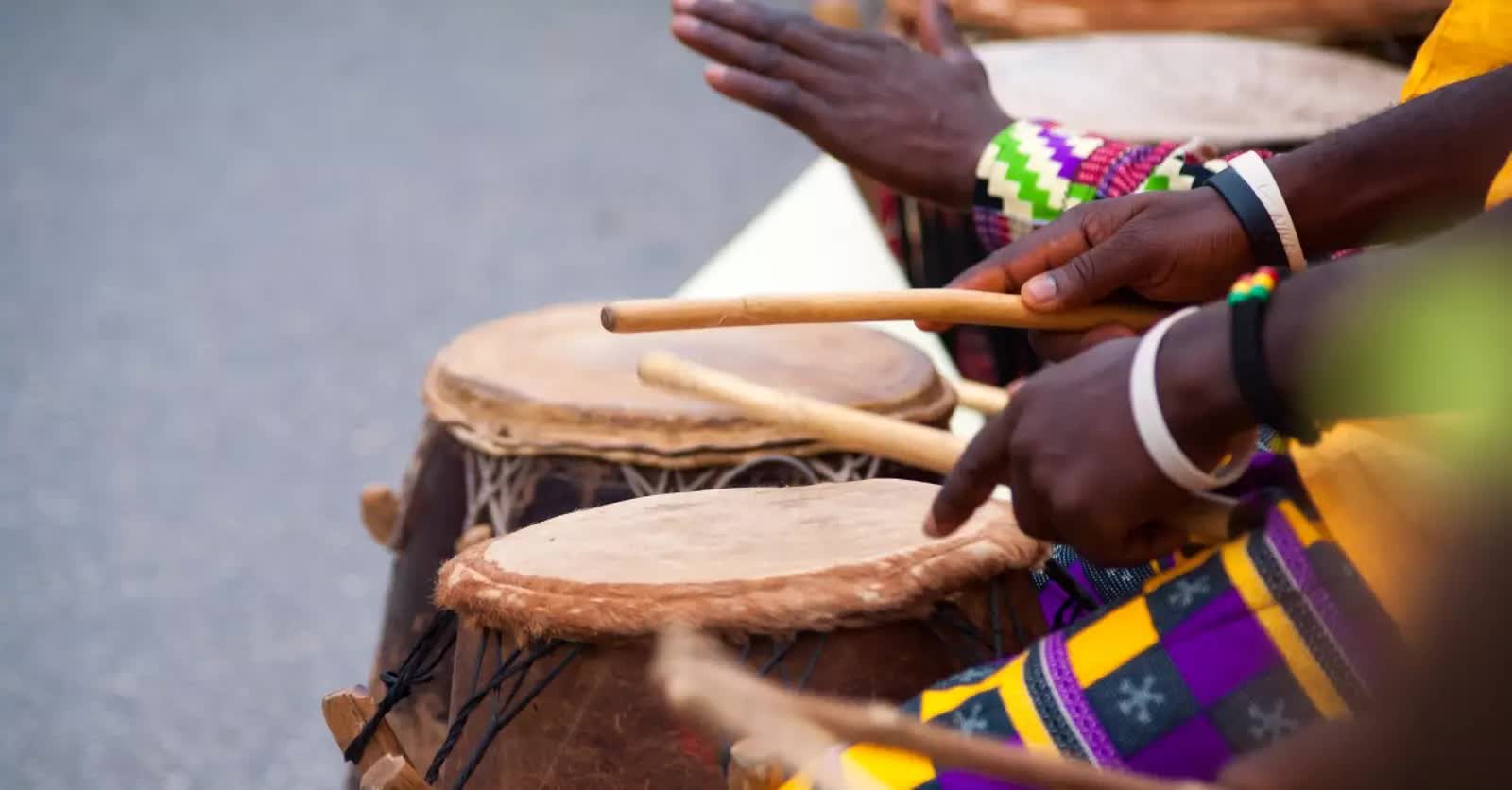
Music is a universal language that plays a vital role in church worship worldwide. However, worship music can vary dramatically from one culture to another. In many African churches, for example, music is not just something you listen to; it’s something you participate in with your whole body. Worship services in African nations often include call-and-response singing and dancing to rhythms from drums. The focus is on celebrating God with joy, and what matters most is just expressing joy, not how well you can sing or dance. 

If you’re experiencing music in a service like that, you may think of Psalm 150:4-5: “Praise him with timbrel and dancing, praise him with the strings and pipe, praise him with the clash of cymbals, praise him with resounding cymbals.” 

However, if you’re visiting churches in Europe, you’re likely to hear more formal music, like classical music played on an organ, or a church choir singing complex harmonies together. During those types of worship services, the focus is on using music to reflect and feel awe for God in his presence there. Instead of dancing, people will be sitting still and listening quietly. No matter what style of music you experience at any particular worship service, the music can draw you closer to God and help you appreciate God’s creativity. Global worship reminds you that worship transcends all styles of music to unite all believers in a common goal of connecting with and celebrating our wonderful God.

Photo Credit: ©iStock/Getty Images Plus/PeopleImages


3. Different Generations Worship Either Separately or Together

Children and teens have their own worship services in separate Sunday school classes or youth groups in some cultures. However, in other cultures, children worship with adults for the entire worship experience. Many parts of Asia, Latin America, and Africa participate in intergenerational worship services, where whole families – including children, parents, grandparents, aunts, uncles, and cousins – all participate. There isn’t necessarily a separate children’s ministry during the main service in classrooms. Instead, people in these churches think it’s best to include children with adults in all worship services, so children can learn to participate fully even when they’re very young. 

Churches with intergenerational worship services also give elderly people and young adult single people opportunities to participate in the service, rather than separating them into senior ministries or single adult groups. Worship services that include different generations show that everyone is a valued member of God’s family, regardless of age. But they may be less quiet or structured than you’re used to from services in the United States. 

Keep in mind that, no matter how people of different ages worship in the churches you visit, all the congregations try to encourage people to share their faith across generations, like Deuteronomy 6:6-7 teaches when it says: “These commandments that I give you today are to be on your hearts. Impress them on your children. Talk about them when you sit at home, walk along the road, lie down, and get up.”

Photo Credit: ©Getty Images/ skynesher

4. Personal Testimonies Are an Important Part of Worship in Many Places

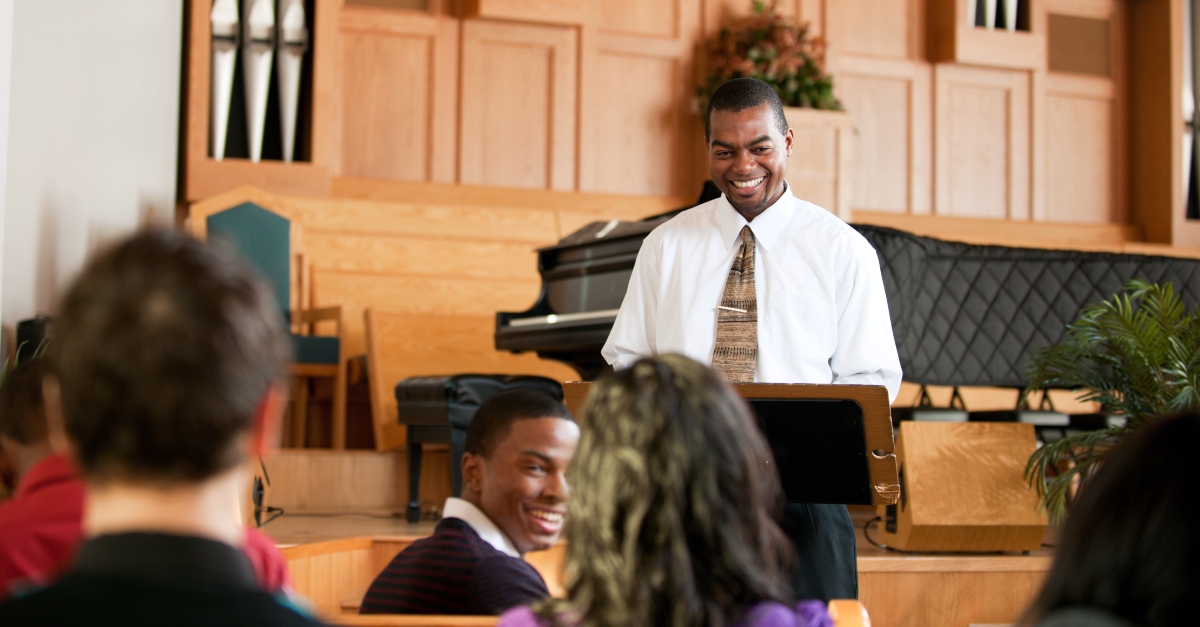
While sermons and Bible lessons are a big part of church services everywhere, personal stories are also significant in many churches around the world. In places where people learn more by listening to stories than by reading, or where not everyone can read, stories are the main way to share beliefs and build a strong community. Instead of a long speech from a preacher, a church service might have several people share their own testimonies of God’s faithful work in their lives. They may talk about how God helped, healed, or rescued them from hard times. These stories are often emotional, and they connect with others who have faced similar challenges and experienced God’s help. They show that God is truly active in people’s lives daily. 

Early Christians often shared personal stories of God’s faithfulness with each other. The apostles Peter and John told the authorities in Acts 4:20: “As for us, we cannot help speaking about what we have seen and heard.” Many churches worldwide set aside time for people to share how God has worked in their lives that week or over time, to encourage everyone and strengthen the relationships between church members. It reminds people that faith is a real, living experience for everyday people. In places where Christians are persecuted, these stories are even more vital. They show how God answers prayers even in the most challenging circumstances and inspire people to trust God and live their faith with courage. 

While understanding theology is essential, so is seeing clear evidence of God’s presence and power in daily life. Hearing someone share how God answered a specific prayer or helped him or her through a challenging situation can boost your faith and encourage you to trust God more. Church worship services featuring personal testimonies show that the church can help you learn about God through biblical teaching and personal experiences.

Photo Credit: iStock/Getty Images Plus/FatCamera


5. Community Can Make You Feel Like Part of a Church Family, Even as a Visitor

At many churches in the United States, church fellowship events are often just a quick time to meet over coffee and snacks. However, in many other cultures, church fellowship and hospitality are emphasized more to make the church feel like a family. In these places, church services might be longer, and the time spent before and after formal worship is just as important for talking, sharing meals, and praying together. 

The Bible says in 1 Peter 1:22 to “… love one another deeply, from the heart.” When you visit a church in a culture that emphasizes the importance of a strong community, you’ll be warmly welcomed by people in the congregation as a way of putting God’s love into action. You may be invited to lunch after church with church members who want to show you hospitality, even after meeting you for the very first time. 

Hebrews 13:2 points out how vital hospitality is: “Do not forget to show hospitality to strangers, for by so doing some people have entertained angels without knowing it.” So, don’t be surprised if you’re treated like a family member by strangers, and let that inspire you to do your best to welcome visitors at your church after you return home. Help build a sense of belonging in your own congregation, so people worship together and share joys and challenges. Visiting a church in a culture that values community helps you remember that worship is more than just a formal service. Worship is a lifestyle where we care for and support one another because we’re all part of God’s family.

Visit church worship services around the world, and you can learn a lot, which helps you appreciate your global family in Christ. Enjoy visiting as many different worship services in as many cultures as possible. The diverse kinds of worship you experience will help you get ready to participate in worship in heaven, which Revelation 7:9 reveals will include “a great multitude” of people from every nation, tribe, people, and language, all worshiping God together!

Photo Credit:  ©Getty Images/PixelCatchers

 

Salem News Channel Today

Sponsored Links


September 26 - Phoenix, AZ
Scottsdale Center for the Performing Arts


November 2 - Detroit, MI
Zion Christian Church in Troy


October 6 - Los Angeles, CA
Pasadena Convention Center


November 5 - San Antonio, TX
Norris Centers – The Grand Red Oak Ballroom


October 8 - Sacramento, CA
William Jessup University


November 7 - Tampa, FL
The Palladium at St. Pete College


October 22 - Minneapolis, MN
Crowne Plaza AiRE


November 15 - San Francisco, CA
Fremont Marriott Silicon Valley


October 23 - Philadelphia, PA
Green Valley Country Club


November 16 - Denver, CO
CU South Denver - Formerly Wildlife Experience


November 2 - Chicago, IL
Chicago Westin Northwest in Itasca


November 21 - Cleveland, OH
Holiday Inn Rockside in Independence


Salem Radio Network Speakers

Larry Elder is an American lawyer, writer, and radio and television personality who calls himself the "Sage of South Central" a district of Los Angeles, Larry says his philosophy is to entertain, inform, provoke and to hopefully uplift. His calling card is "we have a country to save" and to him this means returning to the bedrock Constitutional principles of limited government and maximum personal responsibility. Elder's iconoclastic wit and intellectual agility makes him a particularly attractive voice in a nation that seems weary of traditional racial dialogue.” – Los Angeles Times.

Mike Gallagher Mike Gallagher began his broadcasting career in 1978 in Dayton, Ohio. Today, he is one of the most listened-to talk radio show hosts in America, recently having been ranked in the Talkers Magazine “Heavy Hundred” list – the 100 most important talk radio hosts in America. Prior to being launched into national syndication in 1998, Mike hosted the morning show on WABC-AM in New York City. Today, Talkers Magazine reports that his show is heard by over 3.75 million weekly listeners. Besides his radio work, Mike is seen on Fox News Channel as an on-air contributor, frequently appearing on the cable news giant.

Hugh Hewitt is one of the nation’s leading bloggers and a genuine media revolutionary. He brings that expertise, his wit and what The New Yorker magazine calls his “amiable but relentless manner” to his nationally syndicated show each day.

When Dr. Sebastian Gorka was growing up, he listened to talk radio under his pillow with a transistor radio, dreaming that one day he would be behind the microphone. Beginning New Year’s Day 2019, he got his wish. Gorka now hosts America First every weekday afternoon 3 to 6pm ET. Gorka’s unique story works well on the radio. He is national security analyst for the Fox News Channel and author of two books: "Why We Fight" and "Defeating Jihad." His latest book releasing this fall is “War For America’s Soul.” He is uniquely qualified to fight the culture war and stand up for what is great about America, his adopted home country.

Broadcasting from his home station of KRLA in Los Angeles, the Dennis Prager Show is heard across the country. Everything in life – from politics to religion to relationships – is grist for Dennis’ mill. If it’s interesting, if it affects your life, then Dennis will be talking about it – with passion, humor, insight and wisdom.

Sean Hannity is a conservative radio and television host, and one of the original primetime hosts on the Fox News Channel, where he has appeared since 1996. Sean Hannity began his radio career at a college station in California, before moving on to markets in the Southeast and New York. Today, he’s one of the most listened to on-air voices. Hannity’s radio program went into national syndication on September 10, 2001, and airs on more than 500 stations. Talkers Magazine estimates Hannity’s weekly radio audience at 13.5 million. In 1996 he was hired as one of the original hosts on Fox News Channel. As host of several popular Fox programs, Hannity has become the highest-paid news anchor on television.

Michelle Malkin is a mother, wife, blogger, conservative syndicated columnist, longtime cable TV news commentator, and best-selling author of six books. She started her newspaper journalism career at the Los Angeles Daily News in 1992, moved to the Seattle Times in 1995, and has been penning nationally syndicated newspaper columns for Creators Syndicate since 1999. She is founder of conservative Internet start-ups Hot Air and Twitchy.com. Malkin has received numerous awards for her investigative journalism, including the Council on Governmental Ethics Laws (COGEL) national award for outstanding service for the cause of governmental ethics and leadership (1998), the Reed Irvine Accuracy in Media Award for Investigative Journalism (2006), the Heritage Foundation and Franklin Center for Government & Public Integrity's Breitbart Award for Excellence in Journalism (2013), the Center for Immigration Studies' Eugene Katz Award for Excellence in the Coverage of Immigration Award (2016), and the Manhattan Film Festival's Film Heals Award (2018). Married for 26 years and the mother of two teenage children, she lives with her family in Colorado. Follow her at michellemalkin.com. (Photo reprinted with kind permission from Peter Duke Photography.)

Sponsored by:

Experiencing Church around the World: 5 Things to Know about Worship Services in Other Cultures

Carbonatix Pre-Player Loader

Audio By Carbonatix

1. Culture Shapes Worship

The societies, histories, and traditions of those cultures shape worship services in other cultures. So, wherever you travel, you’ll find worship services that are just as distinctive as the cultures they’re part of. In cultures where community ties are strong, you can experience worship services that emphasize shared experiences, community singing, and long fellowship times. But in cultures with a more individualistic focus, you can experience worship services that feature personal reflection, individual prayer, and thought-provoking sermons. If you’re visiting a culture where people tend to express themselves freely, the worship services may include spontaneous prayers and loud music with dancing. 

However, if you’re visiting a place where people are generally reserved, the worship services in that culture may be quiet and formal. In some cultures, storytelling is the primary way knowledge is passed down, so sermons may feature many stories. In other cultures, people focus on logical principles, so you’ll experience sermons that emphasize teaching biblical principles. You may also notice a difference in how long the worship services are. In some parts of the world, worship services might go on for hours, with people coming and going. In other cultures, you’ll experience brief worship services that start and end on tight schedules. 

None of these approaches is right or wrong; they’re simply different cultural expressions of the same faith. The apostle Paul, a missionary who traveled a lot, understood the importance of adapting his message to each culture when sharing the Gospel to reach different groups of people. He wrote in 1 Corinthians 9:22: “I have become all things to all people so that by all possible means I might save some.” When you encounter worship practices you’re not used to, remembering that they’re part of the culture you’re visiting can help you approach them with respect instead of judgment.

Photo Credit: ©Getty Images/klazing


2. Diverse Music Unites People

Music is a universal language that plays a vital role in church worship worldwide. However, worship music can vary dramatically from one culture to another. In many African churches, for example, music is not just something you listen to; it’s something you participate in with your whole body. Worship services in African nations often include call-and-response singing and dancing to rhythms from drums. The focus is on celebrating God with joy, and what matters most is just expressing joy, not how well you can sing or dance. 

If you’re experiencing music in a service like that, you may think of Psalm 150:4-5: “Praise him with timbrel and dancing, praise him with the strings and pipe, praise him with the clash of cymbals, praise him with resounding cymbals.” 

However, if you’re visiting churches in Europe, you’re likely to hear more formal music, like classical music played on an organ, or a church choir singing complex harmonies together. During those types of worship services, the focus is on using music to reflect and feel awe for God in his presence there. Instead of dancing, people will be sitting still and listening quietly. No matter what style of music you experience at any particular worship service, the music can draw you closer to God and help you appreciate God’s creativity. Global worship reminds you that worship transcends all styles of music to unite all believers in a common goal of connecting with and celebrating our wonderful God.

Photo Credit: ©iStock/Getty Images Plus/PeopleImages


3. Different Generations Worship Either Separately or Together

Children and teens have their own worship services in separate Sunday school classes or youth groups in some cultures. However, in other cultures, children worship with adults for the entire worship experience. Many parts of Asia, Latin America, and Africa participate in intergenerational worship services, where whole families – including children, parents, grandparents, aunts, uncles, and cousins – all participate. There isn’t necessarily a separate children’s ministry during the main service in classrooms. Instead, people in these churches think it’s best to include children with adults in all worship services, so children can learn to participate fully even when they’re very young. 

Churches with intergenerational worship services also give elderly people and young adult single people opportunities to participate in the service, rather than separating them into senior ministries or single adult groups. Worship services that include different generations show that everyone is a valued member of God’s family, regardless of age. But they may be less quiet or structured than you’re used to from services in the United States. 

Keep in mind that, no matter how people of different ages worship in the churches you visit, all the congregations try to encourage people to share their faith across generations, like Deuteronomy 6:6-7 teaches when it says: “These commandments that I give you today are to be on your hearts. Impress them on your children. Talk about them when you sit at home, walk along the road, lie down, and get up.”

Photo Credit: ©Getty Images/ skynesher


4. Personal Testimonies Are an Important Part of Worship in Many Places

While sermons and Bible lessons are a big part of church services everywhere, personal stories are also significant in many churches around the world. In places where people learn more by listening to stories than by reading, or where not everyone can read, stories are the main way to share beliefs and build a strong community. Instead of a long speech from a preacher, a church service might have several people share their own testimonies of God’s faithful work in their lives. They may talk about how God helped, healed, or rescued them from hard times. These stories are often emotional, and they connect with others who have faced similar challenges and experienced God’s help. They show that God is truly active in people’s lives daily. 

Early Christians often shared personal stories of God’s faithfulness with each other. The apostles Peter and John told the authorities in Acts 4:20: “As for us, we cannot help speaking about what we have seen and heard.” Many churches worldwide set aside time for people to share how God has worked in their lives that week or over time, to encourage everyone and strengthen the relationships between church members. It reminds people that faith is a real, living experience for everyday people. In places where Christians are persecuted, these stories are even more vital. They show how God answers prayers even in the most challenging circumstances and inspire people to trust God and live their faith with courage. 

While understanding theology is essential, so is seeing clear evidence of God’s presence and power in daily life. Hearing someone share how God answered a specific prayer or helped him or her through a challenging situation can boost your faith and encourage you to trust God more. Church worship services featuring personal testimonies show that the church can help you learn about God through biblical teaching and personal experiences.

Photo Credit: iStock/Getty Images Plus/FatCamera


5. Community Can Make You Feel Like Part of a Church Family, Even as a Visitor

At many churches in the United States, church fellowship events are often just a quick time to meet over coffee and snacks. However, in many other cultures, church fellowship and hospitality are emphasized more to make the church feel like a family. In these places, church services might be longer, and the time spent before and after formal worship is just as important for talking, sharing meals, and praying together. 

The Bible says in 1 Peter 1:22 to “… love one another deeply, from the heart.” When you visit a church in a culture that emphasizes the importance of a strong community, you’ll be warmly welcomed by people in the congregation as a way of putting God’s love into action. You may be invited to lunch after church with church members who want to show you hospitality, even after meeting you for the very first time. 

Hebrews 13:2 points out how vital hospitality is: “Do not forget to show hospitality to strangers, for by so doing some people have entertained angels without knowing it.” So, don’t be surprised if you’re treated like a family member by strangers, and let that inspire you to do your best to welcome visitors at your church after you return home. Help build a sense of belonging in your own congregation, so people worship together and share joys and challenges. Visiting a church in a culture that values community helps you remember that worship is more than just a formal service. Worship is a lifestyle where we care for and support one another because we’re all part of God’s family.

Visit church worship services around the world, and you can learn a lot, which helps you appreciate your global family in Christ. Enjoy visiting as many different worship services in as many cultures as possible. The diverse kinds of worship you experience will help you get ready to participate in worship in heaven, which Revelation 7:9 reveals will include “a great multitude” of people from every nation, tribe, people, and language, all worshiping God together!

Photo Credit:  ©Getty Images/PixelCatchers

 

Salem News Channel Today

Sponsored Links

On Air & Up Next

See the Full Program Guide