



















A mental health guide to holiday shopping

Carbonatix Pre-Player Loader

Audio By Carbonatix

A mental health guide to holiday shopping

As soon as the leftover turkey is put away, the holiday retail machine roars to life. From Black Friday through Cyber Monday, inboxes flood, and our dopamine circuits light up like the sales banners that promise “once-a-year deals.” This shopping weekend has become the unofficial kickoff to a season of stress: one that profits off emotional and psychological urgency. To help provide some expert guidance on how to navigate the start of holiday shopping, Blueprint, a therapist-enablement technology platform, consulted mental health clinician Vivian Chung Easton.

The Emotional Cost of the Shopping Rush

Last year, U.S. shoppers spent $13.3 billion on Cyber Monday, a 7.3% increase from the previous year, according to Adobe Analytics. The average American planned to drop around $650 across Thanksgiving weekend, up 15% year over year, per a Deloitte report. Those numbers aren’t just economic metrics; they’re emotional indicators. The “buy now or lose out” messaging fuels scarcity fears, guilt, and comparison, especially in a season already heavy with expectations.

The American Psychiatric Association reported in 2024 that about 28% of Americans feel significant stress during the holidays, driven by finances, family conflict, and grief. Add in the noise of flash sales and countdown timers, and many enter December feeling depleted rather than festive.

The Psychology of Overspending

There are psychological factors at play to make you fear missing out. For instance words like “limited-time,” “exclusive,” and “doorbuster” activate the feeling of scarcity. Add in social media, where others broadcast their purchases, and the effect compounds. It’s not just about wanting the thing; it’s about not wanting to feel left behind.

Beyond marketing, guilt and obligation also play their part. Many parents and partners overspend out of fear of disappointing someone. That emotion, combined with endless decisions about what, when, and how much to buy, creates decision fatigue. The more choices you face, the weaker self-control becomes. The result is predictable:

  • 43% of Americans enter the holiday season already in debt, according to 2024 data from Credit Karma.
  • The same report found 44% feel pressure to spend more than they can afford. And that number jumps to 53% among Gen Z and millennials.
  • Over 80% worry that tariffs and inflation will raise costs even more, according to a 2025 report from Credit Karma.

The mental fallout looks familiar to anyone who’s woken up to a drained account or a delivery they barely remember ordering: anxiety, sleeplessness, rumination, and regret. It’s the emotional hangover of consumption.

Setting Limits Before You Click ‘Add to Cart’

You can’t outwillpower a billion-dollar marketing industry. But you can outplan it.

Mental health clinician Vivian Chung Easton suggests that you should start before the deals drop. First, have an overall budget conversation with a spouse or anyone else who should be involved in planning, so everyone is aligned and any surprises later can be avoided. Write down your total spending limit for the season — not just for gifts, but for shipping, wrapping, meals, and travel. Then divide it by person or category. That’s your playbook. Here are a few practical steps.

  • Plan your “essentials” and “nice to haves.” Identify a couple of purchases that are really important to you. That allows you to focus on what you think is most valuable and prioritize them.
  • Shop with a partner. Bring in accountability. A friend or spouse who knows your plan can gently steer you away from impulsive buys.
  • Mute the noise. Unsubscribe from promo emails, silence push notifications, and limit time on shopping apps. It’s as easy as a single click in most cases, and can help you avoid being tempted by things you might not need.
  • Monitor spending: Even though they might be small amounts each, several purchases can add up. There are ways to set spending limits on a credit or debit card, as well as sending yourself notifications for reaching or exceeding those limits. Setting and receiving those alerts can help you keep track of total spending.
  • Use cash when you can. Research generally shows that swiping plastic dulls your sense of spending; paying in cash restores it. While this might not be useful for larger purchases or if you plan on using credit card points, using cash for smaller in-person purchases can make money feel like a physical thing rather than just numbers.
  • Take breaks. Add your items to your cart, and if you’re feeling unsure about it, take a cooling-off period. Step away for a few minutes: Perhaps take a walk, think through it, and if you come back and still want the items in your cart, then maybe it’s worth it. Giving yourself even a brief opportunity to reflect can sometimes interrupt the sense of FOMO that sales are designed to make us feel.

Intentional spending isn’t about frugality; it’s about sanity.

Navigating the Guilt to Give Generously

Gift-giving is supposed to be about generosity, but it can also feel like emotional accounting — a way to prove care, maintain harmony, or meet expectations. When generosity turns into guilt, it can take the joy out of gift-giving, because it feels like an obligation rather than something you’d like to do. And in a season all about celebration and coming together, guilt can really take away being able to actually enjoy the holiday. It can be helpful to take a look internally, as some of that guilt might be coming from the perception that the holiday has to be transactional. Ask yourself how your family would perceive you if you don’t give “good” gifts. What happens if you don’t give the extravagant gift that is on someone’s list? Odds are that the pressure to spend on lavish gifts to communicate love might be more marketing than reality.

Emotional fatigue spikes when every moment feels transactional: another purchase, another expectation. Step outside. Take a walk. Breathe before buying. Slowing down keeps the emotional brain from hijacking your decisions. Remember: Presence matters more than presents.

The Aftermath: Audit, Repair, and Reset

Once the shopping haze clears, another emotion creeps in: regret. Behavioral finance calls it “post-purchase dissonance,” which is a more official term for “buyer’s remorse” — that sinking feeling after realizing a sale price wasn’t worth the cost to your peace of mind. The antidote is reflection, not shame.

  • Audit your receipts and order confirmations. Identify any impulse purchases. Cancel, return, or resell what doesn’t add value.
  • Plan your debt recovery. Even small, steady payments lower stress and interest over time.
  • Reflect on your triggers. Think about what pulled you into overspending. Guilt? Boredom? Comparison?
  • Track emotional patterns. Notice when shopping feels like a relief or a reward. Those moments often signal unmet emotional needs, not genuine wants.

This isn’t about perfection. It’s about building awareness. When you understand your triggers, you can face next season with more clarity and less chaos.

Redefining the Meaning of Holiday Abundance

Somewhere between the Black Friday checkout lines and Cyber Monday countdowns, it can be easy to lose sight of what abundance really means. Advertisers define it as accumulation; mental health defines it as connection.

Research from the Journal of Happiness Studies in 2021 found that people who regularly practiced gratitude reported higher happiness and life satisfaction. Gratitude shifts focus from scarcity (what we don’t have) to sufficiency (what we already do have). Real abundance looks like having dinner with family, sleeping well because you stayed within your budget, or even sharing a story or meal instead of an extra gift. That’s the part of the holiday season no algorithm can sell.

So this year, as the sales flood in and your browser tempts you with another deal “too good to miss,” pause. Ask what you really need. Ask what your loved ones actually want. Chances are, it’s time, not things. The choice you’ll make all season might be the peace that comes from closing the tab.

This story was produced by Blueprint and reviewed and distributed by Stacker.


Salem News Channel Today

Sponsored Links


September 26 - Phoenix, AZ
Scottsdale Center for the Performing Arts


November 2 - Detroit, MI
Zion Christian Church in Troy


October 6 - Los Angeles, CA
Pasadena Convention Center


November 5 - San Antonio, TX
Norris Centers – The Grand Red Oak Ballroom


October 8 - Sacramento, CA
William Jessup University


November 7 - Tampa, FL
The Palladium at St. Pete College


October 22 - Minneapolis, MN
Crowne Plaza AiRE


November 15 - San Francisco, CA
Fremont Marriott Silicon Valley


October 23 - Philadelphia, PA
Green Valley Country Club


November 16 - Denver, CO
CU South Denver - Formerly Wildlife Experience


November 2 - Chicago, IL
Chicago Westin Northwest in Itasca


November 21 - Cleveland, OH
Holiday Inn Rockside in Independence


Salem Radio Network Speakers
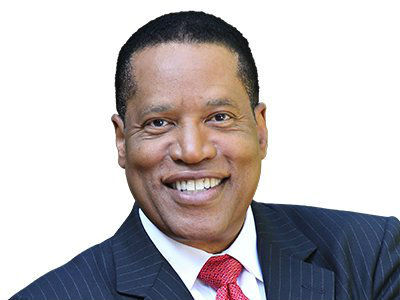
Larry Elder is an American lawyer, writer, and radio and television personality who calls himself the "Sage of South Central" a district of Los Angeles, Larry says his philosophy is to entertain, inform, provoke and to hopefully uplift. His calling card is "we have a country to save" and to him this means returning to the bedrock Constitutional principles of limited government and maximum personal responsibility. Elder's iconoclastic wit and intellectual agility makes him a particularly attractive voice in a nation that seems weary of traditional racial dialogue.” – Los Angeles Times.

Mike Gallagher Mike Gallagher began his broadcasting career in 1978 in Dayton, Ohio. Today, he is one of the most listened-to talk radio show hosts in America, recently having been ranked in the Talkers Magazine “Heavy Hundred” list – the 100 most important talk radio hosts in America. Prior to being launched into national syndication in 1998, Mike hosted the morning show on WABC-AM in New York City. Today, Talkers Magazine reports that his show is heard by over 3.75 million weekly listeners. Besides his radio work, Mike is seen on Fox News Channel as an on-air contributor, frequently appearing on the cable news giant.

Hugh Hewitt is one of the nation’s leading bloggers and a genuine media revolutionary. He brings that expertise, his wit and what The New Yorker magazine calls his “amiable but relentless manner” to his nationally syndicated show each day.

When Dr. Sebastian Gorka was growing up, he listened to talk radio under his pillow with a transistor radio, dreaming that one day he would be behind the microphone. Beginning New Year’s Day 2019, he got his wish. Gorka now hosts America First every weekday afternoon 3 to 6pm ET. Gorka’s unique story works well on the radio. He is national security analyst for the Fox News Channel and author of two books: "Why We Fight" and "Defeating Jihad." His latest book releasing this fall is “War For America’s Soul.” He is uniquely qualified to fight the culture war and stand up for what is great about America, his adopted home country.

Broadcasting from his home station of KRLA in Los Angeles, the Dennis Prager Show is heard across the country. Everything in life – from politics to religion to relationships – is grist for Dennis’ mill. If it’s interesting, if it affects your life, then Dennis will be talking about it – with passion, humor, insight and wisdom.

Sean Hannity is a conservative radio and television host, and one of the original primetime hosts on the Fox News Channel, where he has appeared since 1996. Sean Hannity began his radio career at a college station in California, before moving on to markets in the Southeast and New York. Today, he’s one of the most listened to on-air voices. Hannity’s radio program went into national syndication on September 10, 2001, and airs on more than 500 stations. Talkers Magazine estimates Hannity’s weekly radio audience at 13.5 million. In 1996 he was hired as one of the original hosts on Fox News Channel. As host of several popular Fox programs, Hannity has become the highest-paid news anchor on television.

Michelle Malkin is a mother, wife, blogger, conservative syndicated columnist, longtime cable TV news commentator, and best-selling author of six books. She started her newspaper journalism career at the Los Angeles Daily News in 1992, moved to the Seattle Times in 1995, and has been penning nationally syndicated newspaper columns for Creators Syndicate since 1999. She is founder of conservative Internet start-ups Hot Air and Twitchy.com. Malkin has received numerous awards for her investigative journalism, including the Council on Governmental Ethics Laws (COGEL) national award for outstanding service for the cause of governmental ethics and leadership (1998), the Reed Irvine Accuracy in Media Award for Investigative Journalism (2006), the Heritage Foundation and Franklin Center for Government & Public Integrity's Breitbart Award for Excellence in Journalism (2013), the Center for Immigration Studies' Eugene Katz Award for Excellence in the Coverage of Immigration Award (2016), and the Manhattan Film Festival's Film Heals Award (2018). Married for 26 years and the mother of two teenage children, she lives with her family in Colorado. Follow her at michellemalkin.com. (Photo reprinted with kind permission from Peter Duke Photography.)

Sponsored by:

A mental health guide to holiday shopping

Carbonatix Pre-Player Loader

Audio By Carbonatix

A mental health guide to holiday shopping

As soon as the leftover turkey is put away, the holiday retail machine roars to life. From Black Friday through Cyber Monday, inboxes flood, and our dopamine circuits light up like the sales banners that promise “once-a-year deals.” This shopping weekend has become the unofficial kickoff to a season of stress: one that profits off emotional and psychological urgency. To help provide some expert guidance on how to navigate the start of holiday shopping, Blueprint, a therapist-enablement technology platform, consulted mental health clinician Vivian Chung Easton.

The Emotional Cost of the Shopping Rush

Last year, U.S. shoppers spent $13.3 billion on Cyber Monday, a 7.3% increase from the previous year, according to Adobe Analytics. The average American planned to drop around $650 across Thanksgiving weekend, up 15% year over year, per a Deloitte report. Those numbers aren’t just economic metrics; they’re emotional indicators. The “buy now or lose out” messaging fuels scarcity fears, guilt, and comparison, especially in a season already heavy with expectations.

The American Psychiatric Association reported in 2024 that about 28% of Americans feel significant stress during the holidays, driven by finances, family conflict, and grief. Add in the noise of flash sales and countdown timers, and many enter December feeling depleted rather than festive.

The Psychology of Overspending

There are psychological factors at play to make you fear missing out. For instance words like “limited-time,” “exclusive,” and “doorbuster” activate the feeling of scarcity. Add in social media, where others broadcast their purchases, and the effect compounds. It’s not just about wanting the thing; it’s about not wanting to feel left behind.

Beyond marketing, guilt and obligation also play their part. Many parents and partners overspend out of fear of disappointing someone. That emotion, combined with endless decisions about what, when, and how much to buy, creates decision fatigue. The more choices you face, the weaker self-control becomes. The result is predictable:

  • 43% of Americans enter the holiday season already in debt, according to 2024 data from Credit Karma.
  • The same report found 44% feel pressure to spend more than they can afford. And that number jumps to 53% among Gen Z and millennials.
  • Over 80% worry that tariffs and inflation will raise costs even more, according to a 2025 report from Credit Karma.

The mental fallout looks familiar to anyone who’s woken up to a drained account or a delivery they barely remember ordering: anxiety, sleeplessness, rumination, and regret. It’s the emotional hangover of consumption.

Setting Limits Before You Click ‘Add to Cart’

You can’t outwillpower a billion-dollar marketing industry. But you can outplan it.

Mental health clinician Vivian Chung Easton suggests that you should start before the deals drop. First, have an overall budget conversation with a spouse or anyone else who should be involved in planning, so everyone is aligned and any surprises later can be avoided. Write down your total spending limit for the season — not just for gifts, but for shipping, wrapping, meals, and travel. Then divide it by person or category. That’s your playbook. Here are a few practical steps.

  • Plan your “essentials” and “nice to haves.” Identify a couple of purchases that are really important to you. That allows you to focus on what you think is most valuable and prioritize them.
  • Shop with a partner. Bring in accountability. A friend or spouse who knows your plan can gently steer you away from impulsive buys.
  • Mute the noise. Unsubscribe from promo emails, silence push notifications, and limit time on shopping apps. It’s as easy as a single click in most cases, and can help you avoid being tempted by things you might not need.
  • Monitor spending: Even though they might be small amounts each, several purchases can add up. There are ways to set spending limits on a credit or debit card, as well as sending yourself notifications for reaching or exceeding those limits. Setting and receiving those alerts can help you keep track of total spending.
  • Use cash when you can. Research generally shows that swiping plastic dulls your sense of spending; paying in cash restores it. While this might not be useful for larger purchases or if you plan on using credit card points, using cash for smaller in-person purchases can make money feel like a physical thing rather than just numbers.
  • Take breaks. Add your items to your cart, and if you’re feeling unsure about it, take a cooling-off period. Step away for a few minutes: Perhaps take a walk, think through it, and if you come back and still want the items in your cart, then maybe it’s worth it. Giving yourself even a brief opportunity to reflect can sometimes interrupt the sense of FOMO that sales are designed to make us feel.

Intentional spending isn’t about frugality; it’s about sanity.

Navigating the Guilt to Give Generously

Gift-giving is supposed to be about generosity, but it can also feel like emotional accounting — a way to prove care, maintain harmony, or meet expectations. When generosity turns into guilt, it can take the joy out of gift-giving, because it feels like an obligation rather than something you’d like to do. And in a season all about celebration and coming together, guilt can really take away being able to actually enjoy the holiday. It can be helpful to take a look internally, as some of that guilt might be coming from the perception that the holiday has to be transactional. Ask yourself how your family would perceive you if you don’t give “good” gifts. What happens if you don’t give the extravagant gift that is on someone’s list? Odds are that the pressure to spend on lavish gifts to communicate love might be more marketing than reality.

Emotional fatigue spikes when every moment feels transactional: another purchase, another expectation. Step outside. Take a walk. Breathe before buying. Slowing down keeps the emotional brain from hijacking your decisions. Remember: Presence matters more than presents.

The Aftermath: Audit, Repair, and Reset

Once the shopping haze clears, another emotion creeps in: regret. Behavioral finance calls it “post-purchase dissonance,” which is a more official term for “buyer’s remorse” — that sinking feeling after realizing a sale price wasn’t worth the cost to your peace of mind. The antidote is reflection, not shame.

  • Audit your receipts and order confirmations. Identify any impulse purchases. Cancel, return, or resell what doesn’t add value.
  • Plan your debt recovery. Even small, steady payments lower stress and interest over time.
  • Reflect on your triggers. Think about what pulled you into overspending. Guilt? Boredom? Comparison?
  • Track emotional patterns. Notice when shopping feels like a relief or a reward. Those moments often signal unmet emotional needs, not genuine wants.

This isn’t about perfection. It’s about building awareness. When you understand your triggers, you can face next season with more clarity and less chaos.

Redefining the Meaning of Holiday Abundance

Somewhere between the Black Friday checkout lines and Cyber Monday countdowns, it can be easy to lose sight of what abundance really means. Advertisers define it as accumulation; mental health defines it as connection.

Research from the Journal of Happiness Studies in 2021 found that people who regularly practiced gratitude reported higher happiness and life satisfaction. Gratitude shifts focus from scarcity (what we don’t have) to sufficiency (what we already do have). Real abundance looks like having dinner with family, sleeping well because you stayed within your budget, or even sharing a story or meal instead of an extra gift. That’s the part of the holiday season no algorithm can sell.

So this year, as the sales flood in and your browser tempts you with another deal “too good to miss,” pause. Ask what you really need. Ask what your loved ones actually want. Chances are, it’s time, not things. The choice you’ll make all season might be the peace that comes from closing the tab.

This story was produced by Blueprint and reviewed and distributed by Stacker.


Salem News Channel Today

Sponsored Links

On Air & Up Next

See the Full Program Guide