

















How is seasonal affective disorder linked to substance use disorder?

Carbonatix Pre-Player Loader

Audio By Carbonatix

How is seasonal affective disorder linked to substance use disorder?

Seasonal affective disorder (SAD) is sometimes flung around casually in conversation. But it’s more than just feeling sad when the winter and darker days set in.

SAD is classified as a major depressive disorder with a seasonal pattern. About 25% of people living with serious mental health conditions, including SAD, deal with addiction.

Similarly, if you have bipolar disorder, symptoms of depression may worsen seasonally. Women are also more likely to develop SAD. Professional support can help you manage the overlapping symptoms of SAD and SUD. In this article, Rula covers the relationship between the two disorders.

Key Takeaways

  • Seasonal affective disorder (SAD) and substance use disorder (SUD) often co-occur.
  • Wintertime and diminishing light can bring on SAD symptoms.
  • A mix of social and professional support can help treat SAD and SUD.

Can weather impact SUD?

As you experience fewer daylight hours and colder temperatures, you might find yourself often having a drink after work or frequently visiting bars with friends. This isn’t your imagination. A study found that, globally, as temperatures and the hours of sunlight decrease, drinking goes up.

Drinking can also make you feel warmer because it temporarily widens blood vessels, which allows more blood flow. In colder climates, this could motivate people to drink more — along with the temporary euphoric feeling that alcohol can bring.

Cold and dark weather can also cause serotonin to plunge. This neurotransmitter can make you feel happy and emotionally stable. Alcohol increases levels of serotonin and dopamine (known as the “happy hormone”), which might lead to improved moods for a temporary period.

Seasonal and light changes, and artificial ones too — like daylight saving time — can disrupt circadian rhythms. These changes to our internal body clocks can contribute to a budding addiction or worsen an existing one.

Does seasonal depression lead to increased substance use?

The relationship between SAD and SUD can result in a harmful cycle. If you feel down during the winter, you might turn to alcohol to feel better. But drinking can make your SAD symptoms worse because alcohol is a depressant.

Alcohol and other types of chemical intoxication can make depression more severe. You might experience more frequent depressive episodes, as well as worsening negative thoughts and self-destructive behavior.

Substances like alcohol, cannabis, and opiates increase dopamine. If you’ve hit a winter low, you might want the boost that substances can provide.

But when people use a drug continuously, they may need larger amounts of it to feel high or feel the effects of it at all. Sometimes, it may be the only thing that makes them feel good. Not only that, but heavily using substances like weed can cause the brain to release less dopamine. This is where substance use disorder can start.

Coping with SUD when seasons change

Even if you want to stop using a substance, it can be difficult or impossible without outside help if you’re addicted to it. The situation can be made worse if you’re using substances in an attempt to improve your SAD. In fact, research shows that drugs and alcohol usually make people’s mental health symptoms worse.

These strategies can help you address your substance use and feel better during the winter months.

  • Tell someone. Confide in a trusted family or friend about your co-occurring SAD and substance use.
  • Avoid social activities that encourage substance use. While difficult, if you want to stop using a certain substance, avoid friends and scenarios that center around alcohol or drug use.
  • Find support groups. Groups like Alcoholics Anonymous or SAD support groups can help replace the socialization you may lose while also providing mental health and community support.
  • Maintain healthy habits. A consistent sleep schedule, exercise, and a nourishing diet can all support your mental health. In the winter, usual go-to activities like swimming or golf might be replaced by indoor activities like a dance or spinning class.
  • Identify triggers. Reflect on the situations, people, and other factors that might worsen your SAD or cause you to turn to a certain substance. Then, either on your own or with a friend or therapist, come up with ways to avoid it.

Treating SUD and SAD

If you struggle with co-occurring SUD and SAD, there are effective treatments that can help you thrive.

Substance use disorder treatment options can include:

  • Detox program: These programs help you with withdrawal symptoms — both physical and mental.
  • Inpatient program: These programs offer 24/7 support, with people living in a rehabilitation facility for weeks or months (often 30 days). Support can include drug withdrawal support, therapy, medication administration, and how to prepare to live drug-free after the program ends.
  • Behavior therapy: A therapist or counselor can help you manage your drug cravings, suggest ways to avoid drugs, offer recommendations if you relapse, and bring in your family to help support you.
  • Self-help groups: After an inpatient program, you may still need ongoing peer support. This is where self-help groups can come in. You can surround yourself with people who understand what it’s like to have a substance use disorder like alcohol use disorder.

SAD treatment options can include:

  • Light therapy: SAD light lamps can mimic the sunlight that’s often missing during the wintertime. Typically, people sit in front of the lamp for about 30 minutes at the beginning of the day. It’s not recommended to use light therapy at night, as this can disrupt your sleep schedule.
  • Talk therapy: Therapy, like cognitive behavioral therapy (CBT), can help you recognize false and distorted views resulting from depression. Transforming these thoughts into helpful ones can also help you improve the relationships in your life, which can lift your mood.
  • Medication: Medications like antidepressants can help with SAD, especially with more severe cases. Always consult with a qualified health provider first if you want to explore medication.

Clinician's take

“Working with a professional can help you identify daily triggers and build out strategies for prevention. This can be a great way to adjust your lifestyle for recovery,” saysAshley Ayala, a licensed marriage and family therapist.

This story was produced by Rula and reviewed and distributed by Stacker.


Salem News Channel Today

Sponsored Links


September 26 - Phoenix, AZ
Scottsdale Center for the Performing Arts


November 2 - Detroit, MI
Zion Christian Church in Troy


October 6 - Los Angeles, CA
Pasadena Convention Center


November 5 - San Antonio, TX
Norris Centers – The Grand Red Oak Ballroom


October 8 - Sacramento, CA
William Jessup University


November 7 - Tampa, FL
The Palladium at St. Pete College


October 22 - Minneapolis, MN
Crowne Plaza AiRE


November 15 - San Francisco, CA
Fremont Marriott Silicon Valley


October 23 - Philadelphia, PA
Green Valley Country Club


November 16 - Denver, CO
CU South Denver - Formerly Wildlife Experience


November 2 - Chicago, IL
Chicago Westin Northwest in Itasca


November 21 - Cleveland, OH
Holiday Inn Rockside in Independence


Salem Radio Network Speakers
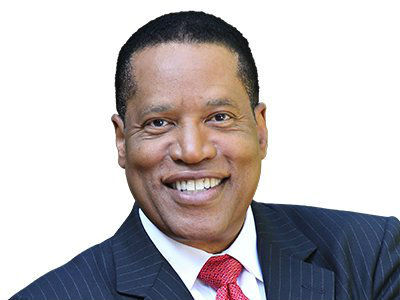
Larry Elder is an American lawyer, writer, and radio and television personality who calls himself the "Sage of South Central" a district of Los Angeles, Larry says his philosophy is to entertain, inform, provoke and to hopefully uplift. His calling card is "we have a country to save" and to him this means returning to the bedrock Constitutional principles of limited government and maximum personal responsibility. Elder's iconoclastic wit and intellectual agility makes him a particularly attractive voice in a nation that seems weary of traditional racial dialogue.” – Los Angeles Times.

Mike Gallagher Mike Gallagher began his broadcasting career in 1978 in Dayton, Ohio. Today, he is one of the most listened-to talk radio show hosts in America, recently having been ranked in the Talkers Magazine “Heavy Hundred” list – the 100 most important talk radio hosts in America. Prior to being launched into national syndication in 1998, Mike hosted the morning show on WABC-AM in New York City. Today, Talkers Magazine reports that his show is heard by over 3.75 million weekly listeners. Besides his radio work, Mike is seen on Fox News Channel as an on-air contributor, frequently appearing on the cable news giant.
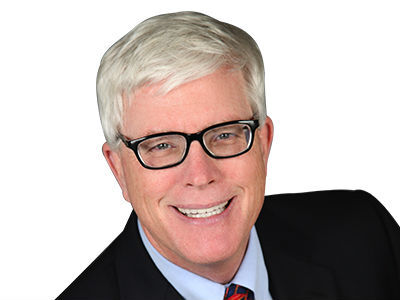
Hugh Hewitt is one of the nation’s leading bloggers and a genuine media revolutionary. He brings that expertise, his wit and what The New Yorker magazine calls his “amiable but relentless manner” to his nationally syndicated show each day.

When Dr. Sebastian Gorka was growing up, he listened to talk radio under his pillow with a transistor radio, dreaming that one day he would be behind the microphone. Beginning New Year’s Day 2019, he got his wish. Gorka now hosts America First every weekday afternoon 3 to 6pm ET. Gorka’s unique story works well on the radio. He is national security analyst for the Fox News Channel and author of two books: "Why We Fight" and "Defeating Jihad." His latest book releasing this fall is “War For America’s Soul.” He is uniquely qualified to fight the culture war and stand up for what is great about America, his adopted home country.

Broadcasting from his home station of KRLA in Los Angeles, the Dennis Prager Show is heard across the country. Everything in life – from politics to religion to relationships – is grist for Dennis’ mill. If it’s interesting, if it affects your life, then Dennis will be talking about it – with passion, humor, insight and wisdom.

Sean Hannity is a conservative radio and television host, and one of the original primetime hosts on the Fox News Channel, where he has appeared since 1996. Sean Hannity began his radio career at a college station in California, before moving on to markets in the Southeast and New York. Today, he’s one of the most listened to on-air voices. Hannity’s radio program went into national syndication on September 10, 2001, and airs on more than 500 stations. Talkers Magazine estimates Hannity’s weekly radio audience at 13.5 million. In 1996 he was hired as one of the original hosts on Fox News Channel. As host of several popular Fox programs, Hannity has become the highest-paid news anchor on television.

Michelle Malkin is a mother, wife, blogger, conservative syndicated columnist, longtime cable TV news commentator, and best-selling author of six books. She started her newspaper journalism career at the Los Angeles Daily News in 1992, moved to the Seattle Times in 1995, and has been penning nationally syndicated newspaper columns for Creators Syndicate since 1999. She is founder of conservative Internet start-ups Hot Air and Twitchy.com. Malkin has received numerous awards for her investigative journalism, including the Council on Governmental Ethics Laws (COGEL) national award for outstanding service for the cause of governmental ethics and leadership (1998), the Reed Irvine Accuracy in Media Award for Investigative Journalism (2006), the Heritage Foundation and Franklin Center for Government & Public Integrity's Breitbart Award for Excellence in Journalism (2013), the Center for Immigration Studies' Eugene Katz Award for Excellence in the Coverage of Immigration Award (2016), and the Manhattan Film Festival's Film Heals Award (2018). Married for 26 years and the mother of two teenage children, she lives with her family in Colorado. Follow her at michellemalkin.com. (Photo reprinted with kind permission from Peter Duke Photography.)

Sponsored by:

How is seasonal affective disorder linked to substance use disorder?

Carbonatix Pre-Player Loader

Audio By Carbonatix

How is seasonal affective disorder linked to substance use disorder?

Seasonal affective disorder (SAD) is sometimes flung around casually in conversation. But it’s more than just feeling sad when the winter and darker days set in.

SAD is classified as a major depressive disorder with a seasonal pattern. About 25% of people living with serious mental health conditions, including SAD, deal with addiction.

Similarly, if you have bipolar disorder, symptoms of depression may worsen seasonally. Women are also more likely to develop SAD. Professional support can help you manage the overlapping symptoms of SAD and SUD. In this article, Rula covers the relationship between the two disorders.

Key Takeaways

  • Seasonal affective disorder (SAD) and substance use disorder (SUD) often co-occur.
  • Wintertime and diminishing light can bring on SAD symptoms.
  • A mix of social and professional support can help treat SAD and SUD.

Can weather impact SUD?

As you experience fewer daylight hours and colder temperatures, you might find yourself often having a drink after work or frequently visiting bars with friends. This isn’t your imagination. A study found that, globally, as temperatures and the hours of sunlight decrease, drinking goes up.

Drinking can also make you feel warmer because it temporarily widens blood vessels, which allows more blood flow. In colder climates, this could motivate people to drink more — along with the temporary euphoric feeling that alcohol can bring.

Cold and dark weather can also cause serotonin to plunge. This neurotransmitter can make you feel happy and emotionally stable. Alcohol increases levels of serotonin and dopamine (known as the “happy hormone”), which might lead to improved moods for a temporary period.

Seasonal and light changes, and artificial ones too — like daylight saving time — can disrupt circadian rhythms. These changes to our internal body clocks can contribute to a budding addiction or worsen an existing one.

Does seasonal depression lead to increased substance use?

The relationship between SAD and SUD can result in a harmful cycle. If you feel down during the winter, you might turn to alcohol to feel better. But drinking can make your SAD symptoms worse because alcohol is a depressant.

Alcohol and other types of chemical intoxication can make depression more severe. You might experience more frequent depressive episodes, as well as worsening negative thoughts and self-destructive behavior.

Substances like alcohol, cannabis, and opiates increase dopamine. If you’ve hit a winter low, you might want the boost that substances can provide.

But when people use a drug continuously, they may need larger amounts of it to feel high or feel the effects of it at all. Sometimes, it may be the only thing that makes them feel good. Not only that, but heavily using substances like weed can cause the brain to release less dopamine. This is where substance use disorder can start.

Coping with SUD when seasons change

Even if you want to stop using a substance, it can be difficult or impossible without outside help if you’re addicted to it. The situation can be made worse if you’re using substances in an attempt to improve your SAD. In fact, research shows that drugs and alcohol usually make people’s mental health symptoms worse.

These strategies can help you address your substance use and feel better during the winter months.

  • Tell someone. Confide in a trusted family or friend about your co-occurring SAD and substance use.
  • Avoid social activities that encourage substance use. While difficult, if you want to stop using a certain substance, avoid friends and scenarios that center around alcohol or drug use.
  • Find support groups. Groups like Alcoholics Anonymous or SAD support groups can help replace the socialization you may lose while also providing mental health and community support.
  • Maintain healthy habits. A consistent sleep schedule, exercise, and a nourishing diet can all support your mental health. In the winter, usual go-to activities like swimming or golf might be replaced by indoor activities like a dance or spinning class.
  • Identify triggers. Reflect on the situations, people, and other factors that might worsen your SAD or cause you to turn to a certain substance. Then, either on your own or with a friend or therapist, come up with ways to avoid it.

Treating SUD and SAD

If you struggle with co-occurring SUD and SAD, there are effective treatments that can help you thrive.

Substance use disorder treatment options can include:

  • Detox program: These programs help you with withdrawal symptoms — both physical and mental.
  • Inpatient program: These programs offer 24/7 support, with people living in a rehabilitation facility for weeks or months (often 30 days). Support can include drug withdrawal support, therapy, medication administration, and how to prepare to live drug-free after the program ends.
  • Behavior therapy: A therapist or counselor can help you manage your drug cravings, suggest ways to avoid drugs, offer recommendations if you relapse, and bring in your family to help support you.
  • Self-help groups: After an inpatient program, you may still need ongoing peer support. This is where self-help groups can come in. You can surround yourself with people who understand what it’s like to have a substance use disorder like alcohol use disorder.

SAD treatment options can include:

  • Light therapy: SAD light lamps can mimic the sunlight that’s often missing during the wintertime. Typically, people sit in front of the lamp for about 30 minutes at the beginning of the day. It’s not recommended to use light therapy at night, as this can disrupt your sleep schedule.
  • Talk therapy: Therapy, like cognitive behavioral therapy (CBT), can help you recognize false and distorted views resulting from depression. Transforming these thoughts into helpful ones can also help you improve the relationships in your life, which can lift your mood.
  • Medication: Medications like antidepressants can help with SAD, especially with more severe cases. Always consult with a qualified health provider first if you want to explore medication.

Clinician's take

“Working with a professional can help you identify daily triggers and build out strategies for prevention. This can be a great way to adjust your lifestyle for recovery,” saysAshley Ayala, a licensed marriage and family therapist.

This story was produced by Rula and reviewed and distributed by Stacker.


Salem News Channel Today

Sponsored Links

On Air & Up Next

See the Full Program Guide