



















How to care for elderly loved ones at home

Carbonatix Pre-Player Loader

Audio By Carbonatix

How to care for elderly loved ones at home

Taking care of elderly parents at home can be rewarding. Many seniors prefer to age in a familiar place, encouraging adult children to have aging parents live at home instead of residential care facilities.

However, caregiving encompasses huge responsibilities. Your loved one’s degree of mobility and independence impacts the type of work to expect. You typically need to assist with their daily activities, offer emotional support and manage medical needs — on top of your full-time job and other responsibilities.

Caregivers usually spend several hours a week caring for their loved ones. Aging adults also have evolving needs, affecting the level of care you should provide. Sufficient planning and preparation are essential for quality and effective care. In this guide, Village Caregiving details the steps to take and what to expect in the process.

An infographic listing tips for taking care of an elderly loved one at home.
Village Caregiving


Tips for Taking Care of an Elderly Loved One in Your Home

If you’re taking care of your aging parent, family member, friend or neighbor, then you’re considered an informal caregiver. Seniors who prefer to age at home are considered “aging in place” and can receive in-home care services for the short or long term.

As a caregiver, you typically assist with household tasks, personal care, medical care, food preparation and money matters. Here’s how you can get started:

1. Prepare and Assess Your Capacity for Care

First, plan for your loved one’s needs now and in the future. Consider whether they have illnesses, such as diabetes or heart disease, and understand how these conditions affect their daily activities.

Once you identify such needs, assess how much you can accommodate. For instance, your aging parent may only need help with bathing. This makes it easier to work on other responsibilities, such as work or errands. Caring for your loved one is an active role, but home care services can help you if you need them.

Additionally, prepare for caregiving costs. Even without professional caregivers, you need to account for medication, mobility aids and additional groceries. Home care services are usually more affordable than residential care facilities. However, government programs also provide financial assistance when caring for your loved ones.

2. Ensure Your Home Is Safe and Accessible

Your home needs to be safe enough for your loved one to move about. A safe environment maintains their independence, while potentially reducing accidents and injuries. Check each area of your home and identify safety issues. Fix the most immediate dangers first, such as poor lighting and loose stair railings. You may also consider:

  • Installing grab bars: Grab bars near the toilet, bathtub and shower provide stable support for your loved one when using the restroom.
  • Removing tripping hazards: Securing loose rugs and electrical cords and using nonslip mats for bathrooms can reduce or prevent falls, especially for seniors who use walkers or wheelchairs. You should also maintain a clear path to walk through when navigating each area of the house.
  • Securing dangerous items: Lock or clean up hazardous items, such as chemicals, sharp objects and medications, especially if your loved one has cognitive impairments, such as dementia.

Regularly check for safety issues and address them promptly. The federal government, state housing finance agencies, community development groups or social services departments may be able to help with payments for home safety renovations.

3. Plan and Prepare Nutritious Meals

Nutrition plays a key role in maintaining your loved one’s health. Consider consulting with a nutritionist for a meal plan, which may include fruits, vegetables, whole grains, lean proteins and healthy fats. Note any dietary restrictions that impact your loved one’s health issues, such as high blood pressure or diabetes. Food that’s easier to consume is important for seniors who have trouble with chewing or swallowing.

Additionally, encourage your loved one to drink plenty of water to stay hydrated. Other healthy beverages may be beneficial, including herbal tea and low-fat milk. If preparing meals on your own is challenging, consider meal delivery services that cater to unique dietary needs. Having your loved one prepare the meals with you, if possible, can also help them gain a sense of independence.

4. Accompany Your Loved One in Various Activities

Seniors need to stay physically and mentally active to avoid feelings of loneliness. Activities, like exercise, can also alleviate potential illnesses and improve your loved one’s strength and balance. Remember to supervise them during physical activities to ensure their safety. Consult with a health care provider when deciding which exercises to pursue.

Companionship and emotional support can also foster stable mental and emotional health. Set a dedicated time to bond with your loved one and engage in meaningful conversations. For instance, you can reminisce and help them relive happy memories by looking at old photos or videos. You could also attend:

  • Family functions
  • Adult day care programs
  • Church events
  • Outings or new experiences

5. Work With Professional Home Care Services

Professional caregivers can share some or take all of the responsibilities. They can tailor their care services based on your loved one’s needs and preferences. Examples of care services include:

  • Respite care: Respite caregivers care for your loved one while you run errands, go to appointments or take time off for yourself.
  • Errand assistance: Errand assistance services help your aging loved one with everyday tasks, such as grocery shopping or attending a doctor’s appointment.
  • Hygiene assistance: A caregiver will assist your loved one with grooming tasks, such as bathing and dental care.
  • Companionship: A caregiver will engage in genuine conversations and perform activities that provide emotional support for your loved one.
  • Cooking and eating assistance: A caregiver will prepare balanced and nutritious meals for your loved one while accompanying them during mealtime.
  • Light housekeeping: A caregiver will perform light housekeeping tasks for your loved one.
  • Veteran home care: These are support services that benefit veterans’ emotional well-being.
An infographic on the do's and dont's of caregiving.
Village Caregiving


What Are the Do’s and Don’ts of Caregiving?

It takes serious effort to become a caregiver. To adequately care for your loved one, remember to do the following:

  • Determine your loved one’s medical condition: Your loved one’s health impacts the level of care they need. You should also anticipate how an illness might evolve over time, and whether you can utilize technology to manage medications. For instance, reminder apps and telehealth services can be effective. Consult with a health care provider regarding the allowed activities for your loved one.
  • Learn when to ask for help: Create a list of important contact numbers, keep a copy and update the list regularly. Understand your own limits and know when you need support. Caregiving can be physically and emotionally demanding. You can work alongside other family members or professionals to offer the most effective care.
  • Prioritize person-centered care: Person-centered care tailors care techniques to your loved one’s needs and preferences. For instance, you may need to help them bathe at the sink if they prefer not to bathe in the shower.
  • Leave room for autonomy: Let your loved one maintain their independence as much as possible to keep them motivated and fulfilled. For instance, you may let them choose what they wear and when they can have their meals. Offer support only when necessary or when tasks are unsafe and difficult. This helps them keep their sense of control.

Additionally, remember to avoid the following when caring for your loved one:

  • Disregarding your loved one’s boundaries: Remember to care for your loved one’s dignity. This means respecting their privacy, even when providing personal care. For instance, use a towel to cover exposed areas or close curtains when appropriate. Be mindful of their boundaries and ensure they feel comfortable with the care you provide.
  • Neglecting medical support: Caregiving involves addressing your loved one’s medical needs, especially with chronic illnesses. In these instances, you may not have sufficient skills or resources to help them. You can work with health care providers and professional caregivers to manage the situation.

How to Navigate the Challenges of Caregiving

Caregiving can be rewarding and fulfilling, but it can come with challenges that bring about emotional and physical stress. Here’s how you can navigate such challenges:

Consider Working With Mental Health Professionals

Many professionals offer counseling, including therapists and social workers. They can help you manage stress and understand other feelings you may have, such as anger, sadness or overwhelm. They can also help you create plans for unexpected events and navigate them. You can receive counseling at home or in their office, or attend virtual counseling sessions.

Take Care of Yourself

You need to take care of yourself to care for your loved one well. Here are a few things you can do for your well-being:

  • Maintain an active lifestyle: Just like your loved one, exercising regularly can help keep your health in top shape. Try activities you can enjoy and maintain, such as walking a pet, going for a run or dancing. Even short exercises can be sufficient.
  • Prioritize rest and sleep: Taking regular breaks and getting enough sleep is essential. Try to get seven to nine hours of sleep each night and develop relaxing routines that help you unwind from your responsibilities.
  • Eat healthy: Maintain a well-balanced diet and stay hydrated by drinking plenty of water daily. This can be easier to do as you plan healthy meals for your loved one.
  • Manage stress levels: Managing stress levels protects your physical and mental health. Consider relaxing activities, like meditation and yoga, or listening to music you enjoy.

Review Eligibility for Government Programs

Caregiving costs can accumulate and contribute to your stress levels. However, some government programs pay for caring for your loved ones with disabilities. If your loved one receives Medicaid, you may benefit from a consumer-directed personal assistance program. The requirements and payments vary per state.

Various programs are also available for veterans. For instance, the Veteran-Directed Home and Community-Based Services program provides a flexible budget that lets veterans hire family members as caregivers. Long-term care insurance policies and paid family leave programs can also offer caregiving compensation.

Frequently Asked Questions

To properly care for your loved one, consider the following questions and answers:

What is the first rule of caregiving?

The first rule of caregiving is to take care of yourself first. This way, you can adequately and sustainably care for your loved one while reducing emotional and mental strain.

What do caregivers need the most?

Caregivers need many things, but emotional support is potentially what they need the most. Consider working with other family members and friends if the responsibilities get overwhelming. You can also work with home care services for professional support. Reach out to a counselor if you need help managing your emotions. A healthy lifestyle, including a nutritious diet and regular exercise, can also protect your overall health.

What is the hardest responsibility of a caregiver?

Juggling a full-time job with caregiving responsibilities is one of the hardest parts of being a caregiver. You need effective time management skills, while also having the mental, emotional and physical capacity to handle the work. It’s important to be disciplined with your tasks and your thoughts — you need to learn to avoid negative self-talk and worrying consistently.

Your Loved One’s Needs Are at the Heart of Home Care

When preparing to care for your loved one at home, their needs determine the right steps to take. You need to:

  • Assess how many of those needs you can meet.
  • Ensure it’s safe to move around your home.
  • Create a meal plan tailored to your loved one’s dietary needs.
  • Provide emotional support and encourage an active lifestyle.
  • Work with professionals to alleviate the load.

The seriousness of the responsibilities also makes it essential to know the caregiving do’s and don’ts. Reaching out for support and opting for financial assistance can help you navigate the challenges. While your loved one is at the heart of the decisions you make, taking care of yourself first is of utmost priority. Caregiving is only effective if you’re also well-equipped mentally, emotionally and physically to perform the tasks.

This story was produced by Village Caregiving and reviewed and distributed by Stacker.


Salem News Channel Today

Sponsored Links


September 26 - Phoenix, AZ
Scottsdale Center for the Performing Arts


November 2 - Detroit, MI
Zion Christian Church in Troy


October 6 - Los Angeles, CA
Pasadena Convention Center


November 5 - San Antonio, TX
Norris Centers – The Grand Red Oak Ballroom


October 8 - Sacramento, CA
William Jessup University


November 7 - Tampa, FL
The Palladium at St. Pete College


October 22 - Minneapolis, MN
Crowne Plaza AiRE


November 15 - San Francisco, CA
Fremont Marriott Silicon Valley


October 23 - Philadelphia, PA
Green Valley Country Club


November 16 - Denver, CO
CU South Denver - Formerly Wildlife Experience


November 2 - Chicago, IL
Chicago Westin Northwest in Itasca


November 21 - Cleveland, OH
Holiday Inn Rockside in Independence


Salem Radio Network Speakers
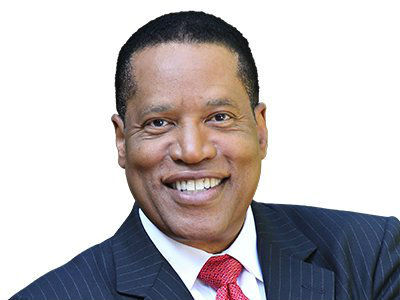
Larry Elder is an American lawyer, writer, and radio and television personality who calls himself the "Sage of South Central" a district of Los Angeles, Larry says his philosophy is to entertain, inform, provoke and to hopefully uplift. His calling card is "we have a country to save" and to him this means returning to the bedrock Constitutional principles of limited government and maximum personal responsibility. Elder's iconoclastic wit and intellectual agility makes him a particularly attractive voice in a nation that seems weary of traditional racial dialogue.” – Los Angeles Times.

Mike Gallagher Mike Gallagher began his broadcasting career in 1978 in Dayton, Ohio. Today, he is one of the most listened-to talk radio show hosts in America, recently having been ranked in the Talkers Magazine “Heavy Hundred” list – the 100 most important talk radio hosts in America. Prior to being launched into national syndication in 1998, Mike hosted the morning show on WABC-AM in New York City. Today, Talkers Magazine reports that his show is heard by over 3.75 million weekly listeners. Besides his radio work, Mike is seen on Fox News Channel as an on-air contributor, frequently appearing on the cable news giant.

Hugh Hewitt is one of the nation’s leading bloggers and a genuine media revolutionary. He brings that expertise, his wit and what The New Yorker magazine calls his “amiable but relentless manner” to his nationally syndicated show each day.

When Dr. Sebastian Gorka was growing up, he listened to talk radio under his pillow with a transistor radio, dreaming that one day he would be behind the microphone. Beginning New Year’s Day 2019, he got his wish. Gorka now hosts America First every weekday afternoon 3 to 6pm ET. Gorka’s unique story works well on the radio. He is national security analyst for the Fox News Channel and author of two books: "Why We Fight" and "Defeating Jihad." His latest book releasing this fall is “War For America’s Soul.” He is uniquely qualified to fight the culture war and stand up for what is great about America, his adopted home country.

Broadcasting from his home station of KRLA in Los Angeles, the Dennis Prager Show is heard across the country. Everything in life – from politics to religion to relationships – is grist for Dennis’ mill. If it’s interesting, if it affects your life, then Dennis will be talking about it – with passion, humor, insight and wisdom.

Sean Hannity is a conservative radio and television host, and one of the original primetime hosts on the Fox News Channel, where he has appeared since 1996. Sean Hannity began his radio career at a college station in California, before moving on to markets in the Southeast and New York. Today, he’s one of the most listened to on-air voices. Hannity’s radio program went into national syndication on September 10, 2001, and airs on more than 500 stations. Talkers Magazine estimates Hannity’s weekly radio audience at 13.5 million. In 1996 he was hired as one of the original hosts on Fox News Channel. As host of several popular Fox programs, Hannity has become the highest-paid news anchor on television.

Michelle Malkin is a mother, wife, blogger, conservative syndicated columnist, longtime cable TV news commentator, and best-selling author of six books. She started her newspaper journalism career at the Los Angeles Daily News in 1992, moved to the Seattle Times in 1995, and has been penning nationally syndicated newspaper columns for Creators Syndicate since 1999. She is founder of conservative Internet start-ups Hot Air and Twitchy.com. Malkin has received numerous awards for her investigative journalism, including the Council on Governmental Ethics Laws (COGEL) national award for outstanding service for the cause of governmental ethics and leadership (1998), the Reed Irvine Accuracy in Media Award for Investigative Journalism (2006), the Heritage Foundation and Franklin Center for Government & Public Integrity's Breitbart Award for Excellence in Journalism (2013), the Center for Immigration Studies' Eugene Katz Award for Excellence in the Coverage of Immigration Award (2016), and the Manhattan Film Festival's Film Heals Award (2018). Married for 26 years and the mother of two teenage children, she lives with her family in Colorado. Follow her at michellemalkin.com. (Photo reprinted with kind permission from Peter Duke Photography.)

Sponsored by:

How to care for elderly loved ones at home

Carbonatix Pre-Player Loader

Audio By Carbonatix

How to care for elderly loved ones at home

Taking care of elderly parents at home can be rewarding. Many seniors prefer to age in a familiar place, encouraging adult children to have aging parents live at home instead of residential care facilities.

However, caregiving encompasses huge responsibilities. Your loved one’s degree of mobility and independence impacts the type of work to expect. You typically need to assist with their daily activities, offer emotional support and manage medical needs — on top of your full-time job and other responsibilities.

Caregivers usually spend several hours a week caring for their loved ones. Aging adults also have evolving needs, affecting the level of care you should provide. Sufficient planning and preparation are essential for quality and effective care. In this guide, Village Caregiving details the steps to take and what to expect in the process.

An infographic listing tips for taking care of an elderly loved one at home.
Village Caregiving


Tips for Taking Care of an Elderly Loved One in Your Home

If you’re taking care of your aging parent, family member, friend or neighbor, then you’re considered an informal caregiver. Seniors who prefer to age at home are considered “aging in place” and can receive in-home care services for the short or long term.

As a caregiver, you typically assist with household tasks, personal care, medical care, food preparation and money matters. Here’s how you can get started:

1. Prepare and Assess Your Capacity for Care

First, plan for your loved one’s needs now and in the future. Consider whether they have illnesses, such as diabetes or heart disease, and understand how these conditions affect their daily activities.

Once you identify such needs, assess how much you can accommodate. For instance, your aging parent may only need help with bathing. This makes it easier to work on other responsibilities, such as work or errands. Caring for your loved one is an active role, but home care services can help you if you need them.

Additionally, prepare for caregiving costs. Even without professional caregivers, you need to account for medication, mobility aids and additional groceries. Home care services are usually more affordable than residential care facilities. However, government programs also provide financial assistance when caring for your loved ones.

2. Ensure Your Home Is Safe and Accessible

Your home needs to be safe enough for your loved one to move about. A safe environment maintains their independence, while potentially reducing accidents and injuries. Check each area of your home and identify safety issues. Fix the most immediate dangers first, such as poor lighting and loose stair railings. You may also consider:

  • Installing grab bars: Grab bars near the toilet, bathtub and shower provide stable support for your loved one when using the restroom.
  • Removing tripping hazards: Securing loose rugs and electrical cords and using nonslip mats for bathrooms can reduce or prevent falls, especially for seniors who use walkers or wheelchairs. You should also maintain a clear path to walk through when navigating each area of the house.
  • Securing dangerous items: Lock or clean up hazardous items, such as chemicals, sharp objects and medications, especially if your loved one has cognitive impairments, such as dementia.

Regularly check for safety issues and address them promptly. The federal government, state housing finance agencies, community development groups or social services departments may be able to help with payments for home safety renovations.

3. Plan and Prepare Nutritious Meals

Nutrition plays a key role in maintaining your loved one’s health. Consider consulting with a nutritionist for a meal plan, which may include fruits, vegetables, whole grains, lean proteins and healthy fats. Note any dietary restrictions that impact your loved one’s health issues, such as high blood pressure or diabetes. Food that’s easier to consume is important for seniors who have trouble with chewing or swallowing.

Additionally, encourage your loved one to drink plenty of water to stay hydrated. Other healthy beverages may be beneficial, including herbal tea and low-fat milk. If preparing meals on your own is challenging, consider meal delivery services that cater to unique dietary needs. Having your loved one prepare the meals with you, if possible, can also help them gain a sense of independence.

4. Accompany Your Loved One in Various Activities

Seniors need to stay physically and mentally active to avoid feelings of loneliness. Activities, like exercise, can also alleviate potential illnesses and improve your loved one’s strength and balance. Remember to supervise them during physical activities to ensure their safety. Consult with a health care provider when deciding which exercises to pursue.

Companionship and emotional support can also foster stable mental and emotional health. Set a dedicated time to bond with your loved one and engage in meaningful conversations. For instance, you can reminisce and help them relive happy memories by looking at old photos or videos. You could also attend:

  • Family functions
  • Adult day care programs
  • Church events
  • Outings or new experiences

5. Work With Professional Home Care Services

Professional caregivers can share some or take all of the responsibilities. They can tailor their care services based on your loved one’s needs and preferences. Examples of care services include:

  • Respite care: Respite caregivers care for your loved one while you run errands, go to appointments or take time off for yourself.
  • Errand assistance: Errand assistance services help your aging loved one with everyday tasks, such as grocery shopping or attending a doctor’s appointment.
  • Hygiene assistance: A caregiver will assist your loved one with grooming tasks, such as bathing and dental care.
  • Companionship: A caregiver will engage in genuine conversations and perform activities that provide emotional support for your loved one.
  • Cooking and eating assistance: A caregiver will prepare balanced and nutritious meals for your loved one while accompanying them during mealtime.
  • Light housekeeping: A caregiver will perform light housekeeping tasks for your loved one.
  • Veteran home care: These are support services that benefit veterans’ emotional well-being.
An infographic on the do's and dont's of caregiving.
Village Caregiving


What Are the Do’s and Don’ts of Caregiving?

It takes serious effort to become a caregiver. To adequately care for your loved one, remember to do the following:

  • Determine your loved one’s medical condition: Your loved one’s health impacts the level of care they need. You should also anticipate how an illness might evolve over time, and whether you can utilize technology to manage medications. For instance, reminder apps and telehealth services can be effective. Consult with a health care provider regarding the allowed activities for your loved one.
  • Learn when to ask for help: Create a list of important contact numbers, keep a copy and update the list regularly. Understand your own limits and know when you need support. Caregiving can be physically and emotionally demanding. You can work alongside other family members or professionals to offer the most effective care.
  • Prioritize person-centered care: Person-centered care tailors care techniques to your loved one’s needs and preferences. For instance, you may need to help them bathe at the sink if they prefer not to bathe in the shower.
  • Leave room for autonomy: Let your loved one maintain their independence as much as possible to keep them motivated and fulfilled. For instance, you may let them choose what they wear and when they can have their meals. Offer support only when necessary or when tasks are unsafe and difficult. This helps them keep their sense of control.

Additionally, remember to avoid the following when caring for your loved one:

  • Disregarding your loved one’s boundaries: Remember to care for your loved one’s dignity. This means respecting their privacy, even when providing personal care. For instance, use a towel to cover exposed areas or close curtains when appropriate. Be mindful of their boundaries and ensure they feel comfortable with the care you provide.
  • Neglecting medical support: Caregiving involves addressing your loved one’s medical needs, especially with chronic illnesses. In these instances, you may not have sufficient skills or resources to help them. You can work with health care providers and professional caregivers to manage the situation.

How to Navigate the Challenges of Caregiving

Caregiving can be rewarding and fulfilling, but it can come with challenges that bring about emotional and physical stress. Here’s how you can navigate such challenges:

Consider Working With Mental Health Professionals

Many professionals offer counseling, including therapists and social workers. They can help you manage stress and understand other feelings you may have, such as anger, sadness or overwhelm. They can also help you create plans for unexpected events and navigate them. You can receive counseling at home or in their office, or attend virtual counseling sessions.

Take Care of Yourself

You need to take care of yourself to care for your loved one well. Here are a few things you can do for your well-being:

  • Maintain an active lifestyle: Just like your loved one, exercising regularly can help keep your health in top shape. Try activities you can enjoy and maintain, such as walking a pet, going for a run or dancing. Even short exercises can be sufficient.
  • Prioritize rest and sleep: Taking regular breaks and getting enough sleep is essential. Try to get seven to nine hours of sleep each night and develop relaxing routines that help you unwind from your responsibilities.
  • Eat healthy: Maintain a well-balanced diet and stay hydrated by drinking plenty of water daily. This can be easier to do as you plan healthy meals for your loved one.
  • Manage stress levels: Managing stress levels protects your physical and mental health. Consider relaxing activities, like meditation and yoga, or listening to music you enjoy.

Review Eligibility for Government Programs

Caregiving costs can accumulate and contribute to your stress levels. However, some government programs pay for caring for your loved ones with disabilities. If your loved one receives Medicaid, you may benefit from a consumer-directed personal assistance program. The requirements and payments vary per state.

Various programs are also available for veterans. For instance, the Veteran-Directed Home and Community-Based Services program provides a flexible budget that lets veterans hire family members as caregivers. Long-term care insurance policies and paid family leave programs can also offer caregiving compensation.

Frequently Asked Questions

To properly care for your loved one, consider the following questions and answers:

What is the first rule of caregiving?

The first rule of caregiving is to take care of yourself first. This way, you can adequately and sustainably care for your loved one while reducing emotional and mental strain.

What do caregivers need the most?

Caregivers need many things, but emotional support is potentially what they need the most. Consider working with other family members and friends if the responsibilities get overwhelming. You can also work with home care services for professional support. Reach out to a counselor if you need help managing your emotions. A healthy lifestyle, including a nutritious diet and regular exercise, can also protect your overall health.

What is the hardest responsibility of a caregiver?

Juggling a full-time job with caregiving responsibilities is one of the hardest parts of being a caregiver. You need effective time management skills, while also having the mental, emotional and physical capacity to handle the work. It’s important to be disciplined with your tasks and your thoughts — you need to learn to avoid negative self-talk and worrying consistently.

Your Loved One’s Needs Are at the Heart of Home Care

When preparing to care for your loved one at home, their needs determine the right steps to take. You need to:

  • Assess how many of those needs you can meet.
  • Ensure it’s safe to move around your home.
  • Create a meal plan tailored to your loved one’s dietary needs.
  • Provide emotional support and encourage an active lifestyle.
  • Work with professionals to alleviate the load.

The seriousness of the responsibilities also makes it essential to know the caregiving do’s and don’ts. Reaching out for support and opting for financial assistance can help you navigate the challenges. While your loved one is at the heart of the decisions you make, taking care of yourself first is of utmost priority. Caregiving is only effective if you’re also well-equipped mentally, emotionally and physically to perform the tasks.

This story was produced by Village Caregiving and reviewed and distributed by Stacker.


Salem News Channel Today

Sponsored Links

On Air & Up Next

See the Full Program Guide