
















Surviving infidelity: A therapist's advice on rebuilding trust after cheating

Carbonatix Pre-Player Loader

Audio By Carbonatix

Surviving infidelity: A therapist's advice on rebuilding trust after cheating

Infidelity may turn your world upside down, leaving you feeling hurt, betrayed, and confused. If you’re asking yourself, “How do I heal from being cheated on and lied to?” you’re not alone. Below, LifeStance Health has broken down actionable steps to help guide the healing journey.

Step 1: Acknowledge Your Emotions

It’s normal to feel a range of emotions after infidelity, such as:

  • Anger
  • Betrayal
  • Grief
  • Confusion
  • Insecurity

Express your feelings and thoughts openly, but aim to do so without the destructiveness of rage. This can be particularly challenging if the discovery of infidelity was recent. Remember, anger, or even intense rage, is typically a secondary emotion that often masks deeper feelings such as hurt, sadness, or fear. Instead of expressing your anger destructively, try to explore and talk about these underlying emotions. By acknowledging and validating these deeper feelings, you may set the stage for genuine emotional healing.

Step 2: Heal as a Couple

In many cases, there are practical steps for couples to rebuild trust.

Discuss openly 
Understand and talk about why the infidelity occurred.

Practice empathy 
Listen without judgment, empathize, and validate each other’s feelings.

Spend quality time together 
Schedule meaningful activities such as:

  • Regular date nights
  • Cooking meals together
  • Having dedicated time for emotional conversations

Step 3: Prioritize Individual Self-Care

While healing as a couple is important, often taking care of your individual emotional well-being is equally essential. For the partner who experienced betrayal, personal therapy may offer a supportive space to process difficult emotions, regain a sense of stability, and begin to rebuild confidence. Working with a therapist may help you explore healthy ways to manage feelings of anger, sadness, and insecurity.

Self-care also means recognizing when additional support is needed, such as exploring sex therapy if the infidelity has impacted intimacy. It’s about setting boundaries, practicing self-compassion, and making room for your own healing, even as you work toward rebuilding the relationship together. A strong foundation of personal well-being may strengthen the path to relational recovery.

  • Seek professional counseling: Engage in therapy individually as well.
  • Develop coping strategies: Learn healthy ways to manage difficult emotions with a therapist’s guidance.
  • Address intimacy concerns: Consider sex therapy if the affair impacted your intimacy.

Common Mistakes to Avoid

Be mindful to steer clear of these common pitfalls:

  • Constantly blaming each other.
  • Repeatedly revisiting the betrayal without progress.
  • Making impulsive decisions about your relationship’s future.
  • Avoiding professional support when needed.

How and Why Couples Counseling Is Valuable

Having a neutral party is essential for healing after infidelity because emotions often run high, and objectivity may be hard to maintain. While friends or family might offer comfort, their perspectives are usually influenced by loyalty or personal bias. This is why working with a licensed therapist is so important. A therapist aims to provide a nonjudgmental, balanced approach, focused solely on helping both partners heal.

In affair recovery, a therapist listens with empathy, validates each person’s experience, and helps navigate the deeper issues underlying the betrayal. Many couples find that guided support from a therapist can be helpful in rebuilding trust, especially when complex emotions and trust issues are at play. When both individuals are committed to growth, a neutral therapist may be instrumental in rebuilding the relationship with care and clarity.

This story was produced by LifeStance Health and reviewed and distributed by Stacker.


Salem News Channel Today

Sponsored Links


September 26 - Phoenix, AZ
Scottsdale Center for the Performing Arts


November 2 - Detroit, MI
Zion Christian Church in Troy


October 6 - Los Angeles, CA
Pasadena Convention Center


November 5 - San Antonio, TX
Norris Centers – The Grand Red Oak Ballroom


October 8 - Sacramento, CA
William Jessup University


November 7 - Tampa, FL
The Palladium at St. Pete College


October 22 - Minneapolis, MN
Crowne Plaza AiRE


November 15 - San Francisco, CA
Fremont Marriott Silicon Valley


October 23 - Philadelphia, PA
Green Valley Country Club


November 16 - Denver, CO
CU South Denver - Formerly Wildlife Experience


November 2 - Chicago, IL
Chicago Westin Northwest in Itasca


November 21 - Cleveland, OH
Holiday Inn Rockside in Independence


Salem Radio Network Speakers
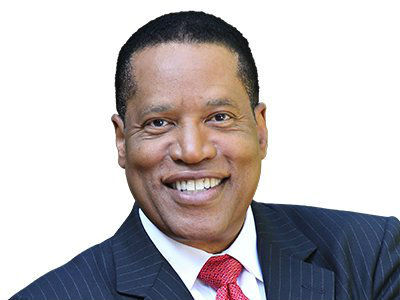
Larry Elder is an American lawyer, writer, and radio and television personality who calls himself the "Sage of South Central" a district of Los Angeles, Larry says his philosophy is to entertain, inform, provoke and to hopefully uplift. His calling card is "we have a country to save" and to him this means returning to the bedrock Constitutional principles of limited government and maximum personal responsibility. Elder's iconoclastic wit and intellectual agility makes him a particularly attractive voice in a nation that seems weary of traditional racial dialogue.” – Los Angeles Times.

Mike Gallagher Mike Gallagher began his broadcasting career in 1978 in Dayton, Ohio. Today, he is one of the most listened-to talk radio show hosts in America, recently having been ranked in the Talkers Magazine “Heavy Hundred” list – the 100 most important talk radio hosts in America. Prior to being launched into national syndication in 1998, Mike hosted the morning show on WABC-AM in New York City. Today, Talkers Magazine reports that his show is heard by over 3.75 million weekly listeners. Besides his radio work, Mike is seen on Fox News Channel as an on-air contributor, frequently appearing on the cable news giant.
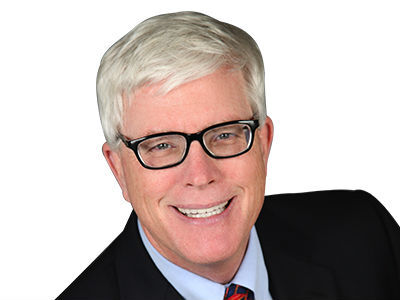
Hugh Hewitt is one of the nation’s leading bloggers and a genuine media revolutionary. He brings that expertise, his wit and what The New Yorker magazine calls his “amiable but relentless manner” to his nationally syndicated show each day.
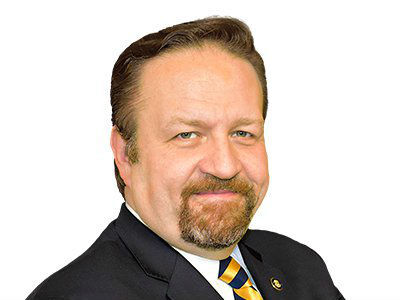
When Dr. Sebastian Gorka was growing up, he listened to talk radio under his pillow with a transistor radio, dreaming that one day he would be behind the microphone. Beginning New Year’s Day 2019, he got his wish. Gorka now hosts America First every weekday afternoon 3 to 6pm ET. Gorka’s unique story works well on the radio. He is national security analyst for the Fox News Channel and author of two books: "Why We Fight" and "Defeating Jihad." His latest book releasing this fall is “War For America’s Soul.” He is uniquely qualified to fight the culture war and stand up for what is great about America, his adopted home country.

Broadcasting from his home station of KRLA in Los Angeles, the Dennis Prager Show is heard across the country. Everything in life – from politics to religion to relationships – is grist for Dennis’ mill. If it’s interesting, if it affects your life, then Dennis will be talking about it – with passion, humor, insight and wisdom.

Sean Hannity is a conservative radio and television host, and one of the original primetime hosts on the Fox News Channel, where he has appeared since 1996. Sean Hannity began his radio career at a college station in California, before moving on to markets in the Southeast and New York. Today, he’s one of the most listened to on-air voices. Hannity’s radio program went into national syndication on September 10, 2001, and airs on more than 500 stations. Talkers Magazine estimates Hannity’s weekly radio audience at 13.5 million. In 1996 he was hired as one of the original hosts on Fox News Channel. As host of several popular Fox programs, Hannity has become the highest-paid news anchor on television.

Michelle Malkin is a mother, wife, blogger, conservative syndicated columnist, longtime cable TV news commentator, and best-selling author of six books. She started her newspaper journalism career at the Los Angeles Daily News in 1992, moved to the Seattle Times in 1995, and has been penning nationally syndicated newspaper columns for Creators Syndicate since 1999. She is founder of conservative Internet start-ups Hot Air and Twitchy.com. Malkin has received numerous awards for her investigative journalism, including the Council on Governmental Ethics Laws (COGEL) national award for outstanding service for the cause of governmental ethics and leadership (1998), the Reed Irvine Accuracy in Media Award for Investigative Journalism (2006), the Heritage Foundation and Franklin Center for Government & Public Integrity's Breitbart Award for Excellence in Journalism (2013), the Center for Immigration Studies' Eugene Katz Award for Excellence in the Coverage of Immigration Award (2016), and the Manhattan Film Festival's Film Heals Award (2018). Married for 26 years and the mother of two teenage children, she lives with her family in Colorado. Follow her at michellemalkin.com. (Photo reprinted with kind permission from Peter Duke Photography.)

Sponsored by:

Surviving infidelity: A therapist's advice on rebuilding trust after cheating

Carbonatix Pre-Player Loader

Audio By Carbonatix

Surviving infidelity: A therapist's advice on rebuilding trust after cheating

Infidelity may turn your world upside down, leaving you feeling hurt, betrayed, and confused. If you’re asking yourself, “How do I heal from being cheated on and lied to?” you’re not alone. Below, LifeStance Health has broken down actionable steps to help guide the healing journey.

Step 1: Acknowledge Your Emotions

It’s normal to feel a range of emotions after infidelity, such as:

  • Anger
  • Betrayal
  • Grief
  • Confusion
  • Insecurity

Express your feelings and thoughts openly, but aim to do so without the destructiveness of rage. This can be particularly challenging if the discovery of infidelity was recent. Remember, anger, or even intense rage, is typically a secondary emotion that often masks deeper feelings such as hurt, sadness, or fear. Instead of expressing your anger destructively, try to explore and talk about these underlying emotions. By acknowledging and validating these deeper feelings, you may set the stage for genuine emotional healing.

Step 2: Heal as a Couple

In many cases, there are practical steps for couples to rebuild trust.

Discuss openly 
Understand and talk about why the infidelity occurred.

Practice empathy 
Listen without judgment, empathize, and validate each other’s feelings.

Spend quality time together 
Schedule meaningful activities such as:

  • Regular date nights
  • Cooking meals together
  • Having dedicated time for emotional conversations

Step 3: Prioritize Individual Self-Care

While healing as a couple is important, often taking care of your individual emotional well-being is equally essential. For the partner who experienced betrayal, personal therapy may offer a supportive space to process difficult emotions, regain a sense of stability, and begin to rebuild confidence. Working with a therapist may help you explore healthy ways to manage feelings of anger, sadness, and insecurity.

Self-care also means recognizing when additional support is needed, such as exploring sex therapy if the infidelity has impacted intimacy. It’s about setting boundaries, practicing self-compassion, and making room for your own healing, even as you work toward rebuilding the relationship together. A strong foundation of personal well-being may strengthen the path to relational recovery.

  • Seek professional counseling: Engage in therapy individually as well.
  • Develop coping strategies: Learn healthy ways to manage difficult emotions with a therapist’s guidance.
  • Address intimacy concerns: Consider sex therapy if the affair impacted your intimacy.

Common Mistakes to Avoid

Be mindful to steer clear of these common pitfalls:

  • Constantly blaming each other.
  • Repeatedly revisiting the betrayal without progress.
  • Making impulsive decisions about your relationship’s future.
  • Avoiding professional support when needed.

How and Why Couples Counseling Is Valuable

Having a neutral party is essential for healing after infidelity because emotions often run high, and objectivity may be hard to maintain. While friends or family might offer comfort, their perspectives are usually influenced by loyalty or personal bias. This is why working with a licensed therapist is so important. A therapist aims to provide a nonjudgmental, balanced approach, focused solely on helping both partners heal.

In affair recovery, a therapist listens with empathy, validates each person’s experience, and helps navigate the deeper issues underlying the betrayal. Many couples find that guided support from a therapist can be helpful in rebuilding trust, especially when complex emotions and trust issues are at play. When both individuals are committed to growth, a neutral therapist may be instrumental in rebuilding the relationship with care and clarity.

This story was produced by LifeStance Health and reviewed and distributed by Stacker.


Salem News Channel Today

Sponsored Links

On Air & Up Next

See the Full Program Guide