4 Things You Should Know about After Death, Angel Studios' Latest Movie

Carbonatix Pre-Player Loader

Audio By Carbonatix

1. It's From the Studio That Brought Us Sound of Freedom

Angel Studios, the same studio that helped make Sound of Freedom a summer hit, is distributing After Death. Angel is using the same type of model that propelled Sound of Freedom to blockbuster status. Angel had a goal of selling 150,000 tickets before the movie releases -- and as of Oct. 25, had nearly hit that mark.

Meanwhile, viewers of After Death will have an opportunity during the credits to "pay it forward" by purchasing tickets for others via an on-screen QR code. That same model boosted Sound of Freedom.

Photo Credit: ©Angel Studios; used with permission.


2. It Explores Multiple Stories of Near-Death Experiences

After Death examines stories of near-death experiences with a mixture of interviews and drama that make it a gripping watch.

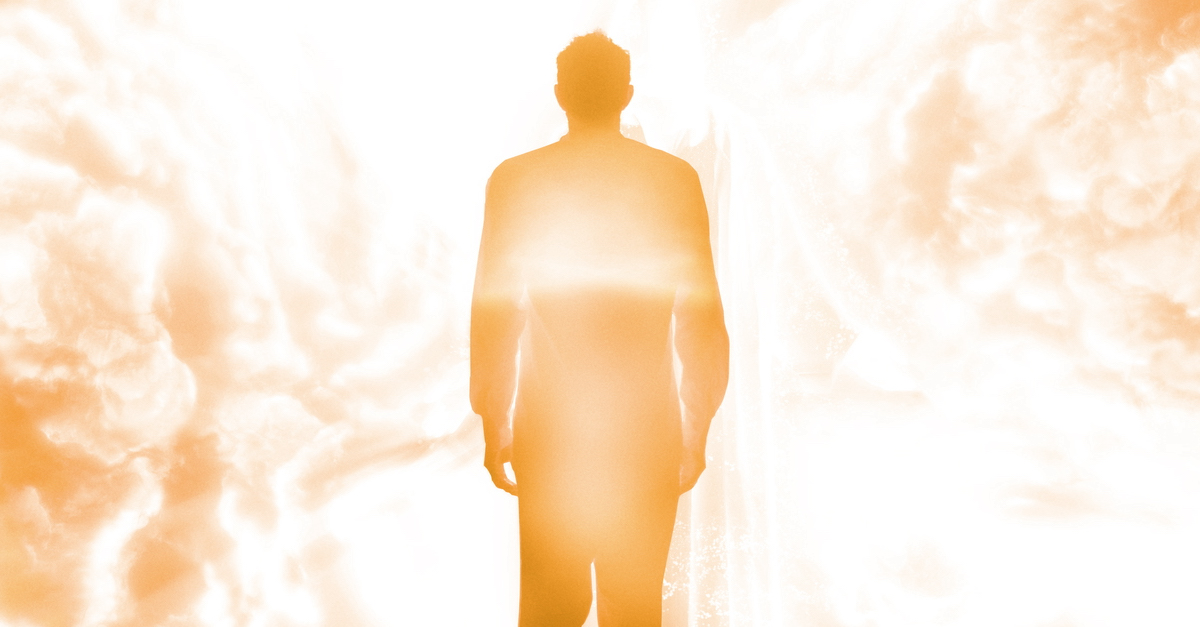
It opens with the story of Dale Black, a former airline pilot instructor and commercial pilot who survived a horrific plane crash in 1969 but only after he visited heaven, he says. (Black recalls his spirit separating from his body as he hovered above the crash scene.) Moments later, we hear the testimony of Howard Storm, a man who experienced a medical emergency in Paris in 1985 that sent him to the hospital, where he flatlined. Storm, an atheist at the time, says his soul descended into hell. We hear from Don Piper, a pastor who was declared dead at the scene of a 1989 car crash, and says he visited heaven for some 90 minutes. We also hear the testimony of Mary Neal, who was thought dead after a kayaking accident and says she, too, visited heaven.

They say they met deceased relatives. They say they saw angels. They say they heard music and saw colors that cannot be described in earthly words.

"The music was phenomenal -- thousands of songs at the same time [and] without chaos," Piper says in the film. Referencing heaven, he says, "It's just the most real thing that's happened to me."

Photo credit: ©Angel Studios; used with permission.


3. It Takes a Scientific View of the Subject

Dr. Michael Sabom, a cardiologist and author of multiple books on the subject, is featured prominently in the film, saying he was "brought into this field kicking and screaming."

"I was very skeptical," he says.

Sabom, assuming the experiences resulted from hallucinations, began interviewing people who had faced a near-death experience. Individuals, he says, describe the experience as calm and peaceful.

"Some people don't want to come back," Sabom says.

One fact that convinced Sabom and other scientists that the experiences may be legitimate: NDE patients provided corroborative evidence of items that were in the operating room — items they should not have been able to be seen due to their unconscious state. They described floating in the room, above the table.

"That is the verifiable part of a near-death experience," Sabom says. "...That was the main thing that got me hooked on this thing."

The film includes interviews with other experts, including Jeffrey Long, radiation oncology physician and the author of Evidence of the Afterlife: The Science of Near-Death Experiences, and John Burke, a pastor and the author of Imagine Heaven, No Perfect People Allowed, Soul Revelation and Unshockable Love.
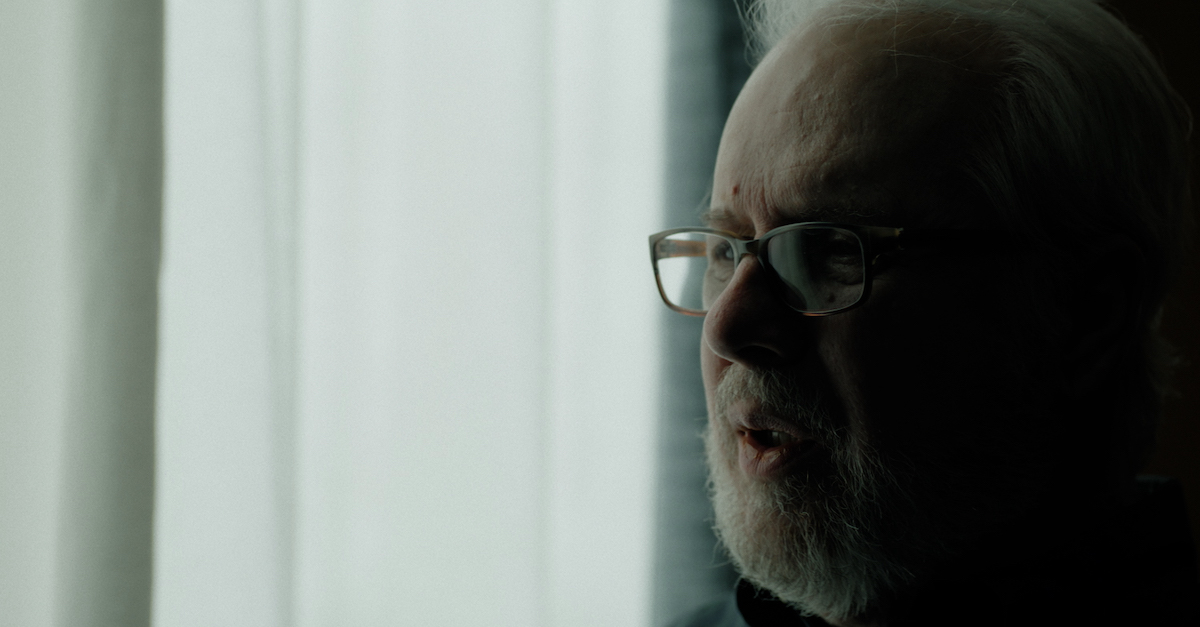
Photo credit: ©Getty Images/Sudok1

4. It's a 'Get-People-into-Heaven' Movie

The individuals interviewed in After Death describe an afterlife scene that mostly — although not fully — mirrors what is described in Scripture. Of course, the subject itself was once taboo in evangelical circles but has been embraced, at least by some, thanks to a series of high-profile movies and books. (Prominent author Lee Strobel, once a skeptic, wrote about it in a recent book that was turned into a film.)

Piper says the movie is evangelistic.

"This movie is the get-people-into-heaven movie," Piper told Crosswalk. "At the very least, it's a conversation starter. But at the very most, it's somebody's first step into the glory of God."

After Death is the type of film that grabs your attention from the get-go and doesn't let go, perfectly weaving personal testimonies with drama and scientific examination. The musical score gives the film a perfect, other-worldly feel.

No, we don't need this film to prove that heaven exists. Scripture alone does that. Even so, the stories in After Death may affirm what you already believe. They also may give you a few chills along the way.

After Death is rated PG-13 for thematic material, including violent descriptions, some bloody images, and drug references.

Coarse language: h-ll (3).

Entertainment rating: 5 out of 5 stars

Family-friendly rating: 4 out of 5 stars

Watch Michael Foust's interview with Don Piper here.

Photo credit: ©Angel Studios; used with permission.

 

Salem News Channel Today

Sponsored Links


September 26 - Phoenix, AZ
Scottsdale Center for the Performing Arts


November 2 - Detroit, MI
Zion Christian Church in Troy


October 6 - Los Angeles, CA
Pasadena Convention Center


November 5 - San Antonio, TX
Norris Centers – The Grand Red Oak Ballroom


October 8 - Sacramento, CA
William Jessup University


November 7 - Tampa, FL
The Palladium at St. Pete College


October 22 - Minneapolis, MN
Crowne Plaza AiRE


November 15 - San Francisco, CA
Fremont Marriott Silicon Valley


October 23 - Philadelphia, PA
Green Valley Country Club


November 16 - Denver, CO
CU South Denver - Formerly Wildlife Experience


November 2 - Chicago, IL
Chicago Westin Northwest in Itasca


November 21 - Cleveland, OH
Holiday Inn Rockside in Independence


Salem Radio Network Speakers

Larry Elder is an American lawyer, writer, and radio and television personality who calls himself the "Sage of South Central" a district of Los Angeles, Larry says his philosophy is to entertain, inform, provoke and to hopefully uplift. His calling card is "we have a country to save" and to him this means returning to the bedrock Constitutional principles of limited government and maximum personal responsibility. Elder's iconoclastic wit and intellectual agility makes him a particularly attractive voice in a nation that seems weary of traditional racial dialogue.” – Los Angeles Times.

Mike Gallagher Mike Gallagher began his broadcasting career in 1978 in Dayton, Ohio. Today, he is one of the most listened-to talk radio show hosts in America, recently having been ranked in the Talkers Magazine “Heavy Hundred” list – the 100 most important talk radio hosts in America. Prior to being launched into national syndication in 1998, Mike hosted the morning show on WABC-AM in New York City. Today, Talkers Magazine reports that his show is heard by over 3.75 million weekly listeners. Besides his radio work, Mike is seen on Fox News Channel as an on-air contributor, frequently appearing on the cable news giant.

Hugh Hewitt is one of the nation’s leading bloggers and a genuine media revolutionary. He brings that expertise, his wit and what The New Yorker magazine calls his “amiable but relentless manner” to his nationally syndicated show each day.

When Dr. Sebastian Gorka was growing up, he listened to talk radio under his pillow with a transistor radio, dreaming that one day he would be behind the microphone. Beginning New Year’s Day 2019, he got his wish. Gorka now hosts America First every weekday afternoon 3 to 6pm ET. Gorka’s unique story works well on the radio. He is national security analyst for the Fox News Channel and author of two books: "Why We Fight" and "Defeating Jihad." His latest book releasing this fall is “War For America’s Soul.” He is uniquely qualified to fight the culture war and stand up for what is great about America, his adopted home country.

Broadcasting from his home station of KRLA in Los Angeles, the Dennis Prager Show is heard across the country. Everything in life – from politics to religion to relationships – is grist for Dennis’ mill. If it’s interesting, if it affects your life, then Dennis will be talking about it – with passion, humor, insight and wisdom.

Sean Hannity is a conservative radio and television host, and one of the original primetime hosts on the Fox News Channel, where he has appeared since 1996. Sean Hannity began his radio career at a college station in California, before moving on to markets in the Southeast and New York. Today, he’s one of the most listened to on-air voices. Hannity’s radio program went into national syndication on September 10, 2001, and airs on more than 500 stations. Talkers Magazine estimates Hannity’s weekly radio audience at 13.5 million. In 1996 he was hired as one of the original hosts on Fox News Channel. As host of several popular Fox programs, Hannity has become the highest-paid news anchor on television.

Michelle Malkin is a mother, wife, blogger, conservative syndicated columnist, longtime cable TV news commentator, and best-selling author of six books. She started her newspaper journalism career at the Los Angeles Daily News in 1992, moved to the Seattle Times in 1995, and has been penning nationally syndicated newspaper columns for Creators Syndicate since 1999. She is founder of conservative Internet start-ups Hot Air and Twitchy.com. Malkin has received numerous awards for her investigative journalism, including the Council on Governmental Ethics Laws (COGEL) national award for outstanding service for the cause of governmental ethics and leadership (1998), the Reed Irvine Accuracy in Media Award for Investigative Journalism (2006), the Heritage Foundation and Franklin Center for Government & Public Integrity's Breitbart Award for Excellence in Journalism (2013), the Center for Immigration Studies' Eugene Katz Award for Excellence in the Coverage of Immigration Award (2016), and the Manhattan Film Festival's Film Heals Award (2018). Married for 26 years and the mother of two teenage children, she lives with her family in Colorado. Follow her at michellemalkin.com. (Photo reprinted with kind permission from Peter Duke Photography.)

Sponsored by:

4 Things You Should Know about After Death, Angel Studios' Latest Movie

Carbonatix Pre-Player Loader

Audio By Carbonatix

1. It's From the Studio That Brought Us Sound of Freedom

Angel Studios, the same studio that helped make Sound of Freedom a summer hit, is distributing After Death. Angel is using the same type of model that propelled Sound of Freedom to blockbuster status. Angel had a goal of selling 150,000 tickets before the movie releases -- and as of Oct. 25, had nearly hit that mark.

Meanwhile, viewers of After Death will have an opportunity during the credits to "pay it forward" by purchasing tickets for others via an on-screen QR code. That same model boosted Sound of Freedom.

Photo Credit: ©Angel Studios; used with permission.


2. It Explores Multiple Stories of Near-Death Experiences

After Death examines stories of near-death experiences with a mixture of interviews and drama that make it a gripping watch.

It opens with the story of Dale Black, a former airline pilot instructor and commercial pilot who survived a horrific plane crash in 1969 but only after he visited heaven, he says. (Black recalls his spirit separating from his body as he hovered above the crash scene.) Moments later, we hear the testimony of Howard Storm, a man who experienced a medical emergency in Paris in 1985 that sent him to the hospital, where he flatlined. Storm, an atheist at the time, says his soul descended into hell. We hear from Don Piper, a pastor who was declared dead at the scene of a 1989 car crash, and says he visited heaven for some 90 minutes. We also hear the testimony of Mary Neal, who was thought dead after a kayaking accident and says she, too, visited heaven.

They say they met deceased relatives. They say they saw angels. They say they heard music and saw colors that cannot be described in earthly words.

"The music was phenomenal -- thousands of songs at the same time [and] without chaos," Piper says in the film. Referencing heaven, he says, "It's just the most real thing that's happened to me."

Photo credit: ©Angel Studios; used with permission.


3. It Takes a Scientific View of the Subject

Dr. Michael Sabom, a cardiologist and author of multiple books on the subject, is featured prominently in the film, saying he was "brought into this field kicking and screaming."

"I was very skeptical," he says.

Sabom, assuming the experiences resulted from hallucinations, began interviewing people who had faced a near-death experience. Individuals, he says, describe the experience as calm and peaceful.

"Some people don't want to come back," Sabom says.

One fact that convinced Sabom and other scientists that the experiences may be legitimate: NDE patients provided corroborative evidence of items that were in the operating room — items they should not have been able to be seen due to their unconscious state. They described floating in the room, above the table.

"That is the verifiable part of a near-death experience," Sabom says. "...That was the main thing that got me hooked on this thing."

The film includes interviews with other experts, including Jeffrey Long, radiation oncology physician and the author of Evidence of the Afterlife: The Science of Near-Death Experiences, and John Burke, a pastor and the author of Imagine Heaven, No Perfect People Allowed, Soul Revelation and Unshockable Love.

Photo credit: ©Getty Images/Sudok1

4. It's a 'Get-People-into-Heaven' Movie

The individuals interviewed in After Death describe an afterlife scene that mostly — although not fully — mirrors what is described in Scripture. Of course, the subject itself was once taboo in evangelical circles but has been embraced, at least by some, thanks to a series of high-profile movies and books. (Prominent author Lee Strobel, once a skeptic, wrote about it in a recent book that was turned into a film.)

Piper says the movie is evangelistic.

"This movie is the get-people-into-heaven movie," Piper told Crosswalk. "At the very least, it's a conversation starter. But at the very most, it's somebody's first step into the glory of God."

After Death is the type of film that grabs your attention from the get-go and doesn't let go, perfectly weaving personal testimonies with drama and scientific examination. The musical score gives the film a perfect, other-worldly feel.

No, we don't need this film to prove that heaven exists. Scripture alone does that. Even so, the stories in After Death may affirm what you already believe. They also may give you a few chills along the way.

After Death is rated PG-13 for thematic material, including violent descriptions, some bloody images, and drug references.

Coarse language: h-ll (3).

Entertainment rating: 5 out of 5 stars

Family-friendly rating: 4 out of 5 stars

Watch Michael Foust's interview with Don Piper here.

Photo credit: ©Angel Studios; used with permission.

 

Salem News Channel Today

Sponsored Links

On Air & Up Next

See the Full Program Guide