6 Ways Parents Can Encourage Healthy Sibling Relationships

Carbonatix Pre-Player Loader

Audio By Carbonatix

1. Prioritize Quality Time

Children need time alone to be creative and use their imaginations with no feedback or input from others. They also need time alone to be bored, which often fosters their creativity and imagination.

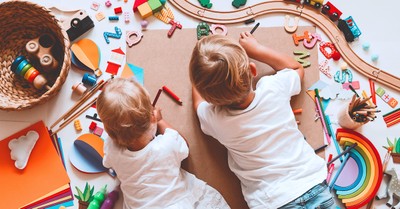
However, children also need quality time with their family. Whether you're playing games, reading a book together, or enjoying an outside activity, this gives children opportunities to see the individual personalities in each family member.

This is, in part, how children learn to appreciate the unique qualities of the people in their lives. It gives them a chance to see their parents enjoy and celebrate each member's uniqueness. And in the end, quality time is how each of us gets to know one another on a heart level, which elevates the relationship.

This also means choosing activities that highlight each child's interests and talents. If you're a sports family, for instance, and always choose sports-related family activities, this alienates the one child who isn’t sports-oriented. Rotating activities to include everyone’s interests will ensure that each child feels seen and understood.

It’s important for children to participate in activities they don’t necessarily enjoy out of love for a sibling who does. A practical way to live this out is to let the children take turns choosing the book, the movie, or the activity. This again highlights the uniqueness of each sibling.
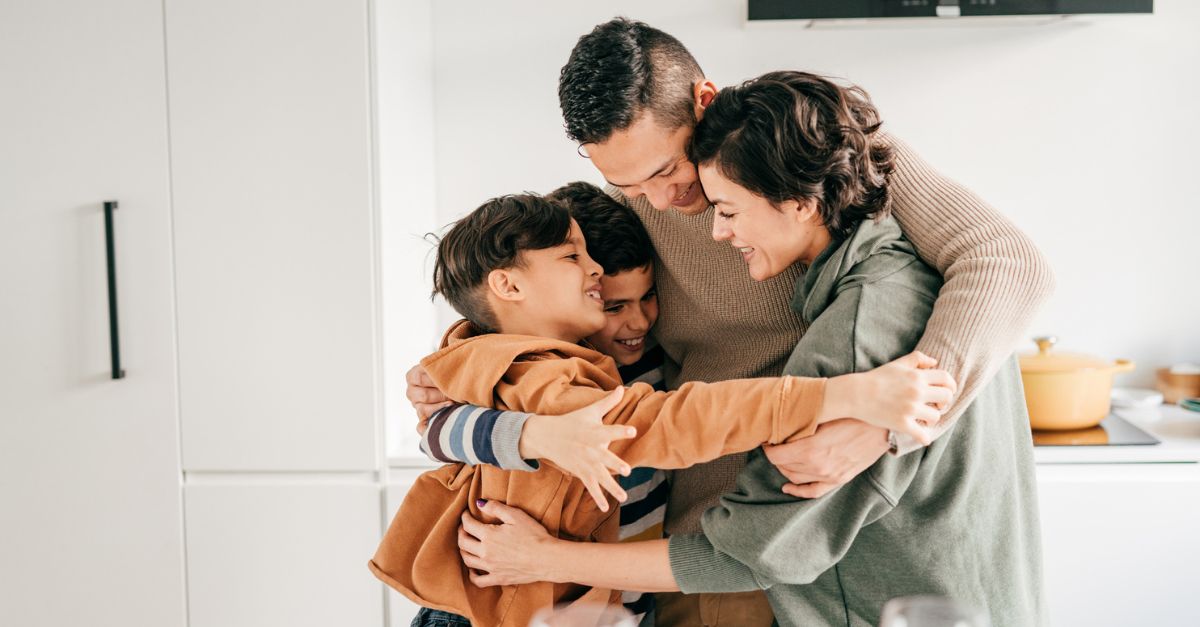
Photo Credit: ©iStock/Getty Images Plus/Rawpixel

2. Foster Open Communication

When we think about our closest friends as adults, we’ll likely realize that one thing that drew us to them is feeling safe and accepted. This is no different with our children. They will gravitate towards the people they feel safest with and accepted by.

The family unit should automatically be the place where your child feels the safest and accepted, but that isn’t always the case. Because our children have unique giftings and talents, it’s easy for one sibling to be envious of another's, causing conflict and discord.

This is where open communication can create safety and acceptance. Rather than ignoring the differences between your children, talk about them. For instance, it’s okay for one child to recognize that their sibling is better at a particular school subject, or that they have better coordination when it comes to sports or gymnastics.

It is not okay, however, for these conversations to turn into one sibling picking at, or putting down another sibling for their lack of coordination, or whatever the difference may be. These conversations should be a time to recognize and appreciate each sibling's talents.

It’s also important to have family conversations about the day. What did each person in the family consider a highlight of the day or a frustration? Allowing each family member time to talk openly will not only create safety but also give each child a window into their sibling's heart, fostering a stronger bond of understanding.
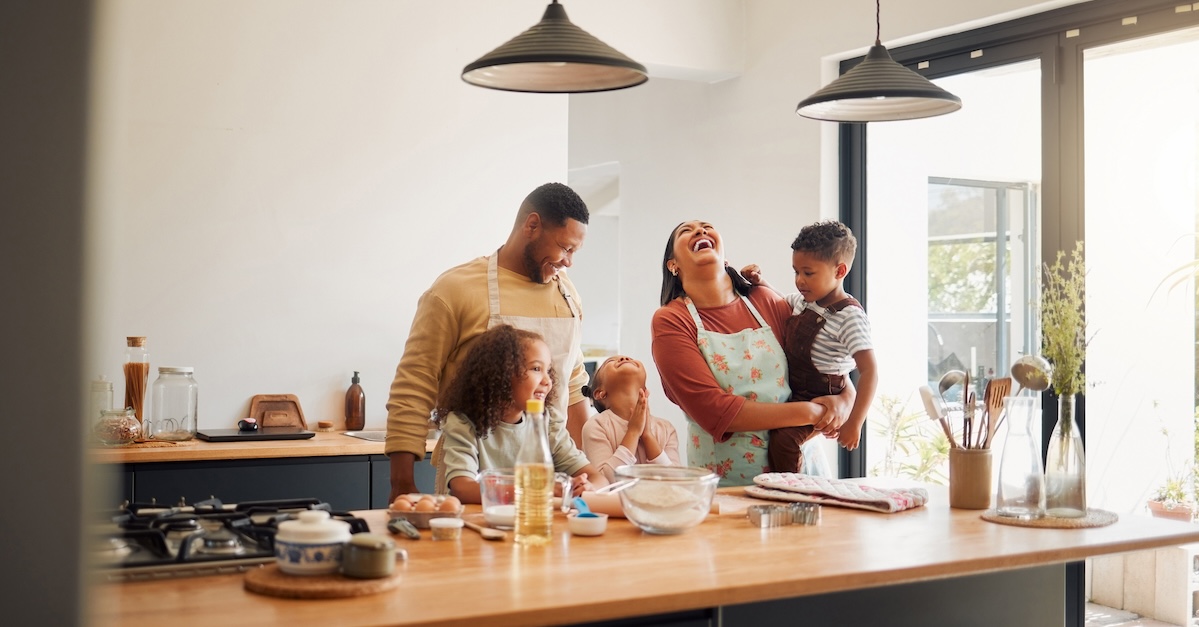
Photo Credit: ©Getty Images/kate_sept2004

3. Model Support

Depending on how many children you have and how many activities they are involved in, modeling support might require some creativity. However, teaching your children to support one another in their youth will not only create a habit but hopefully a genuine desire that will carry over into adulthood.

For instance, if you have one child in band or choir, make sure the siblings are at as many concerts and performances as possible, even if it’s not their favorite thing. If you have a child in sports, make sure the siblings are there to cheer them on as often as possible, even if it’s not their favorite thing.

Perhaps you have a child who loves cooking and experimenting in the kitchen. Encourage all the siblings to be taste-testers and to dream about where this cooking talent could lead. If you have a child involved in Scouting, plan a family campout that allows your Scout to show their siblings what they’ve learned.

This not only teaches our children how to sit through events they don’t necessarily enjoy, but it also teaches them tolerance, respect, and self-control. As parents, we have to take an active role in teaching these lessons. Be the first to celebrate the skills of each child, and don’t participate in groaning about sitting through something that isn’t your favorite thing.

Remind each child how good they feel when they know their family is there, cheering them on and supporting them. Help them see that sitting through a piano recital isn’t about enjoying or appreciating the music; it’s about enjoying and appreciating their sibling and the things they’re interested in.

Photo credit: ©GettyImages/PeopleImages

4. Teach Love and Humility

Teaching love and humility among siblings starts with the parents. As we model Matthew 22:39 to our children by loving our neighbors as ourselves, we need to explain that our family members are our closest neighbors.

This means showing the same kindness, respect, and care we’d want for ourselves. In the context of family, this counters selfishness and builds unity. Practically speaking, this might mean encouraging one sibling to complete a chore for another, or encouraging random acts of kindness based on each sibling's age and ability.

Philippians 2:3 reminds us to consider others more significant than ourselves. This again starts with parents avoiding comparisons and favoritism among the children, and celebrating each sibling’s unique God-given gifts and talents.

If your children see you getting more excited about one child's talents than another's, jealousy will grow, disunity will likely ensue, and brotherly love will be hard to foster. This requires intentionality, especially when you, as the parent, share the interests of one child over another.

It’s vital that our children see us equally excited about their unique talents and that we show no favoritism. When we, as parents, show our children equal love and humility, they will learn to show equal love and humility to their siblings.
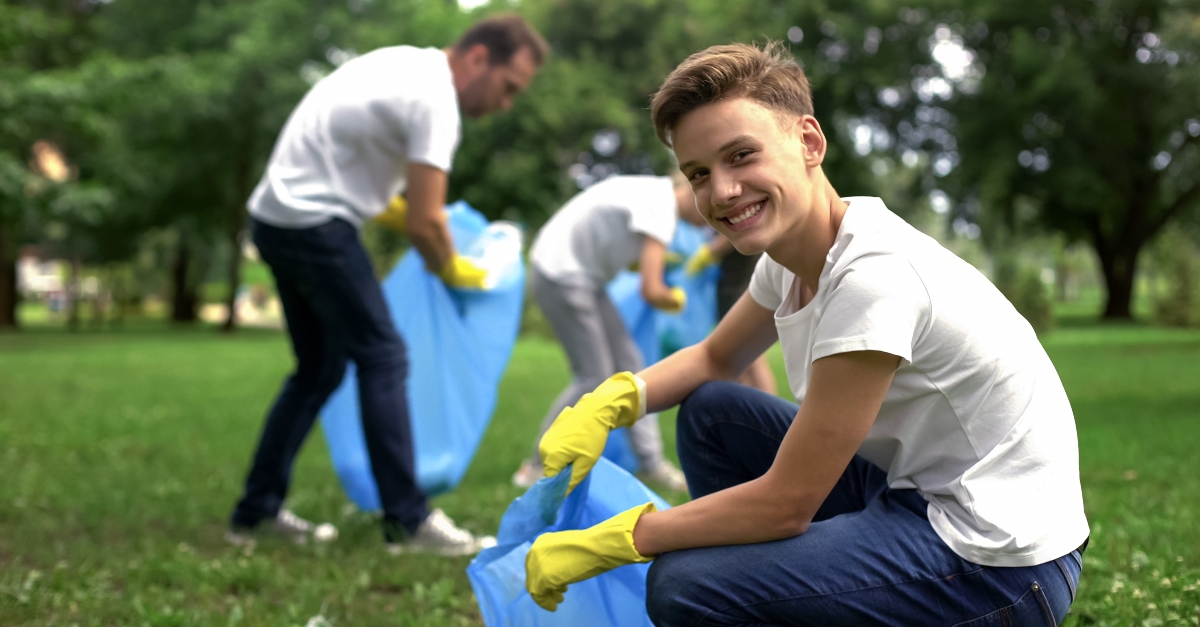
Photo credit: ©GettyImages/Maskot

5. Build Bonds through Service

When siblings serve side by side, they practice the very principles that strengthen family bonds: putting others first, bearing one another's burdens (Galatians 6:2), and loving one another as Christ loved us (John 13:34–35).

In community projects, siblings learn to set aside "me-first" attitudes that fuel rivalry. Instead of competing for attention at home, they work together to meet others’ needs, such as delivering meals to the elderly or cleaning up a park together.

This mirrors Galatians 5:13: "Serve one another humbly in love." Over time, this shifts their mindset: siblings become teammates rather than rivals, seeing each other as partners in God's work.

When siblings volunteer at a food pantry, a nursing home, or a disaster relief effort, they witness hardship in their own community. Seeing firsthand the struggles of others creates empathy that, Lord willing, will spill over into family life, making them more patient and kind to one another.

Ephesians 4:2 says, “With all humility and gentleness, with patience, bearing with one another in love.” When we model this to our children and encourage them to live this out as siblings, the encouragement to “bear with one another” becomes real, which can reduce conflicts and cultivate appreciation and harmony.
Photo credit: ©Getty Images/Motortion

6. Cultivate Shared Faith and Purpose

Ultimately, what we want for our children is for their hearts and their sibling relationships to be transformed by the truth and power of the gospel. As we pray for the hearts of our children and for their sibling relationships, let’s remind them of why we’re here and what this life is all about.

As we navigate toddler temper tantrums, teenage angst, and all that comes in between, let us lean into our shared faith (or the faith we pray our children will one day share). For instance, prioritize corporate worship over sports and other activities. Prioritize family prayer, reading of the Word, and worship at home.

When siblings grasp that they (and their family) share the same ultimate goal—to glorify and enjoy God—they see each other as teammates, which creates a sense of "We're all here to honor God together."

Psalm 133:1 says, “How good and pleasant it is when brothers dwell in unity.” Anchoring your children in this truth will, Lord willing, create bonds that will become a testimony of God’s work, reflecting the unity in the body of Christ and blessing your home with peace.

As your children grow in their faith and mature in their knowledge and understanding of the gospel, their sibling relationships will grow and flourish, just as they will as individuals. This shared faith and purpose will follow them all the days of their lives.

Sibling relationships are God’s gift for growth, support, and reflecting His grace. Our chief purpose to glorify God and enjoy Him forever calls us to replace rivalry with unity, selfishness with service, and hurt with healing.

When siblings embrace patience, humility, and forgiveness—serving together, bearing burdens, and pointing to Christ—they testify to the gospel. Praise them when they do this well and point them to God when they fail.

Take a small step today: a kind word, shared service, or prayer. Trust God to capture your children's hearts, guide you in your parenting, and foster healthy relationships among your siblings. Be encouraged, your children are a gift from the Lord, and He desires unity for them just as you do.

Related Resource: Practical Ways to Promote Peace Between Siblings

Sibling. Rivalry. Two words that can make a mom's heart go from zero to 100 in two seconds flat. We all want our children to get along and have significant relationships with each other long after we're gone, but there are days when they're still at home that we wonder if this will ever happen! On today's episode of Everyday Prayers for Million Praying Moms, Kim Sorgious shares tried and true practical advice for helping your kids get along with each other. Learn how to promote peace in your home by tuning in now! Be sure to subscribe to Everyday Prayers on Apple or Spotify to get every episode straight to your phone each day!

Photo credit: ©GettyImages/Edwin Tan
 

Salem News Channel Today

Sponsored Links


September 26 - Phoenix, AZ
Scottsdale Center for the Performing Arts


November 2 - Detroit, MI
Zion Christian Church in Troy


October 6 - Los Angeles, CA
Pasadena Convention Center


November 5 - San Antonio, TX
Norris Centers – The Grand Red Oak Ballroom


October 8 - Sacramento, CA
William Jessup University


November 7 - Tampa, FL
The Palladium at St. Pete College


October 22 - Minneapolis, MN
Crowne Plaza AiRE


November 15 - San Francisco, CA
Fremont Marriott Silicon Valley


October 23 - Philadelphia, PA
Green Valley Country Club


November 16 - Denver, CO
CU South Denver - Formerly Wildlife Experience


November 2 - Chicago, IL
Chicago Westin Northwest in Itasca


November 21 - Cleveland, OH
Holiday Inn Rockside in Independence


Salem Radio Network Speakers

Larry Elder is an American lawyer, writer, and radio and television personality who calls himself the "Sage of South Central" a district of Los Angeles, Larry says his philosophy is to entertain, inform, provoke and to hopefully uplift. His calling card is "we have a country to save" and to him this means returning to the bedrock Constitutional principles of limited government and maximum personal responsibility. Elder's iconoclastic wit and intellectual agility makes him a particularly attractive voice in a nation that seems weary of traditional racial dialogue.” – Los Angeles Times.

Mike Gallagher Mike Gallagher began his broadcasting career in 1978 in Dayton, Ohio. Today, he is one of the most listened-to talk radio show hosts in America, recently having been ranked in the Talkers Magazine “Heavy Hundred” list – the 100 most important talk radio hosts in America. Prior to being launched into national syndication in 1998, Mike hosted the morning show on WABC-AM in New York City. Today, Talkers Magazine reports that his show is heard by over 3.75 million weekly listeners. Besides his radio work, Mike is seen on Fox News Channel as an on-air contributor, frequently appearing on the cable news giant.

Hugh Hewitt is one of the nation’s leading bloggers and a genuine media revolutionary. He brings that expertise, his wit and what The New Yorker magazine calls his “amiable but relentless manner” to his nationally syndicated show each day.

When Dr. Sebastian Gorka was growing up, he listened to talk radio under his pillow with a transistor radio, dreaming that one day he would be behind the microphone. Beginning New Year’s Day 2019, he got his wish. Gorka now hosts America First every weekday afternoon 3 to 6pm ET. Gorka’s unique story works well on the radio. He is national security analyst for the Fox News Channel and author of two books: "Why We Fight" and "Defeating Jihad." His latest book releasing this fall is “War For America’s Soul.” He is uniquely qualified to fight the culture war and stand up for what is great about America, his adopted home country.

Broadcasting from his home station of KRLA in Los Angeles, the Dennis Prager Show is heard across the country. Everything in life – from politics to religion to relationships – is grist for Dennis’ mill. If it’s interesting, if it affects your life, then Dennis will be talking about it – with passion, humor, insight and wisdom.

Sean Hannity is a conservative radio and television host, and one of the original primetime hosts on the Fox News Channel, where he has appeared since 1996. Sean Hannity began his radio career at a college station in California, before moving on to markets in the Southeast and New York. Today, he’s one of the most listened to on-air voices. Hannity’s radio program went into national syndication on September 10, 2001, and airs on more than 500 stations. Talkers Magazine estimates Hannity’s weekly radio audience at 13.5 million. In 1996 he was hired as one of the original hosts on Fox News Channel. As host of several popular Fox programs, Hannity has become the highest-paid news anchor on television.

Michelle Malkin is a mother, wife, blogger, conservative syndicated columnist, longtime cable TV news commentator, and best-selling author of six books. She started her newspaper journalism career at the Los Angeles Daily News in 1992, moved to the Seattle Times in 1995, and has been penning nationally syndicated newspaper columns for Creators Syndicate since 1999. She is founder of conservative Internet start-ups Hot Air and Twitchy.com. Malkin has received numerous awards for her investigative journalism, including the Council on Governmental Ethics Laws (COGEL) national award for outstanding service for the cause of governmental ethics and leadership (1998), the Reed Irvine Accuracy in Media Award for Investigative Journalism (2006), the Heritage Foundation and Franklin Center for Government & Public Integrity's Breitbart Award for Excellence in Journalism (2013), the Center for Immigration Studies' Eugene Katz Award for Excellence in the Coverage of Immigration Award (2016), and the Manhattan Film Festival's Film Heals Award (2018). Married for 26 years and the mother of two teenage children, she lives with her family in Colorado. Follow her at michellemalkin.com. (Photo reprinted with kind permission from Peter Duke Photography.)

Sponsored by:

6 Ways Parents Can Encourage Healthy Sibling Relationships

Carbonatix Pre-Player Loader

Audio By Carbonatix

1. Prioritize Quality Time

Children need time alone to be creative and use their imaginations with no feedback or input from others. They also need time alone to be bored, which often fosters their creativity and imagination.

However, children also need quality time with their family. Whether you're playing games, reading a book together, or enjoying an outside activity, this gives children opportunities to see the individual personalities in each family member.

This is, in part, how children learn to appreciate the unique qualities of the people in their lives. It gives them a chance to see their parents enjoy and celebrate each member's uniqueness. And in the end, quality time is how each of us gets to know one another on a heart level, which elevates the relationship.

This also means choosing activities that highlight each child's interests and talents. If you're a sports family, for instance, and always choose sports-related family activities, this alienates the one child who isn’t sports-oriented. Rotating activities to include everyone’s interests will ensure that each child feels seen and understood.

It’s important for children to participate in activities they don’t necessarily enjoy out of love for a sibling who does. A practical way to live this out is to let the children take turns choosing the book, the movie, or the activity. This again highlights the uniqueness of each sibling.

Photo Credit: ©iStock/Getty Images Plus/Rawpixel

2. Foster Open Communication

When we think about our closest friends as adults, we’ll likely realize that one thing that drew us to them is feeling safe and accepted. This is no different with our children. They will gravitate towards the people they feel safest with and accepted by.

The family unit should automatically be the place where your child feels the safest and accepted, but that isn’t always the case. Because our children have unique giftings and talents, it’s easy for one sibling to be envious of another's, causing conflict and discord.

This is where open communication can create safety and acceptance. Rather than ignoring the differences between your children, talk about them. For instance, it’s okay for one child to recognize that their sibling is better at a particular school subject, or that they have better coordination when it comes to sports or gymnastics.

It is not okay, however, for these conversations to turn into one sibling picking at, or putting down another sibling for their lack of coordination, or whatever the difference may be. These conversations should be a time to recognize and appreciate each sibling's talents.

It’s also important to have family conversations about the day. What did each person in the family consider a highlight of the day or a frustration? Allowing each family member time to talk openly will not only create safety but also give each child a window into their sibling's heart, fostering a stronger bond of understanding.

Photo Credit: ©Getty Images/kate_sept2004

3. Model Support

Depending on how many children you have and how many activities they are involved in, modeling support might require some creativity. However, teaching your children to support one another in their youth will not only create a habit but hopefully a genuine desire that will carry over into adulthood.

For instance, if you have one child in band or choir, make sure the siblings are at as many concerts and performances as possible, even if it’s not their favorite thing. If you have a child in sports, make sure the siblings are there to cheer them on as often as possible, even if it’s not their favorite thing.

Perhaps you have a child who loves cooking and experimenting in the kitchen. Encourage all the siblings to be taste-testers and to dream about where this cooking talent could lead. If you have a child involved in Scouting, plan a family campout that allows your Scout to show their siblings what they’ve learned.

This not only teaches our children how to sit through events they don’t necessarily enjoy, but it also teaches them tolerance, respect, and self-control. As parents, we have to take an active role in teaching these lessons. Be the first to celebrate the skills of each child, and don’t participate in groaning about sitting through something that isn’t your favorite thing.

Remind each child how good they feel when they know their family is there, cheering them on and supporting them. Help them see that sitting through a piano recital isn’t about enjoying or appreciating the music; it’s about enjoying and appreciating their sibling and the things they’re interested in.

Photo credit: ©GettyImages/PeopleImages

4. Teach Love and Humility

Teaching love and humility among siblings starts with the parents. As we model Matthew 22:39 to our children by loving our neighbors as ourselves, we need to explain that our family members are our closest neighbors.

This means showing the same kindness, respect, and care we’d want for ourselves. In the context of family, this counters selfishness and builds unity. Practically speaking, this might mean encouraging one sibling to complete a chore for another, or encouraging random acts of kindness based on each sibling's age and ability.

Philippians 2:3 reminds us to consider others more significant than ourselves. This again starts with parents avoiding comparisons and favoritism among the children, and celebrating each sibling’s unique God-given gifts and talents.

If your children see you getting more excited about one child's talents than another's, jealousy will grow, disunity will likely ensue, and brotherly love will be hard to foster. This requires intentionality, especially when you, as the parent, share the interests of one child over another.

It’s vital that our children see us equally excited about their unique talents and that we show no favoritism. When we, as parents, show our children equal love and humility, they will learn to show equal love and humility to their siblings.

Photo credit: ©GettyImages/Maskot

5. Build Bonds through Service

When siblings serve side by side, they practice the very principles that strengthen family bonds: putting others first, bearing one another's burdens (Galatians 6:2), and loving one another as Christ loved us (John 13:34–35).

In community projects, siblings learn to set aside "me-first" attitudes that fuel rivalry. Instead of competing for attention at home, they work together to meet others’ needs, such as delivering meals to the elderly or cleaning up a park together.

This mirrors Galatians 5:13: "Serve one another humbly in love." Over time, this shifts their mindset: siblings become teammates rather than rivals, seeing each other as partners in God's work.

When siblings volunteer at a food pantry, a nursing home, or a disaster relief effort, they witness hardship in their own community. Seeing firsthand the struggles of others creates empathy that, Lord willing, will spill over into family life, making them more patient and kind to one another.

Ephesians 4:2 says, “With all humility and gentleness, with patience, bearing with one another in love.” When we model this to our children and encourage them to live this out as siblings, the encouragement to “bear with one another” becomes real, which can reduce conflicts and cultivate appreciation and harmony.

Photo credit: ©Getty Images/Motortion

6. Cultivate Shared Faith and Purpose

Ultimately, what we want for our children is for their hearts and their sibling relationships to be transformed by the truth and power of the gospel. As we pray for the hearts of our children and for their sibling relationships, let’s remind them of why we’re here and what this life is all about.

As we navigate toddler temper tantrums, teenage angst, and all that comes in between, let us lean into our shared faith (or the faith we pray our children will one day share). For instance, prioritize corporate worship over sports and other activities. Prioritize family prayer, reading of the Word, and worship at home.

When siblings grasp that they (and their family) share the same ultimate goal—to glorify and enjoy God—they see each other as teammates, which creates a sense of "We're all here to honor God together."

Psalm 133:1 says, “How good and pleasant it is when brothers dwell in unity.” Anchoring your children in this truth will, Lord willing, create bonds that will become a testimony of God’s work, reflecting the unity in the body of Christ and blessing your home with peace.

As your children grow in their faith and mature in their knowledge and understanding of the gospel, their sibling relationships will grow and flourish, just as they will as individuals. This shared faith and purpose will follow them all the days of their lives.

Sibling relationships are God’s gift for growth, support, and reflecting His grace. Our chief purpose to glorify God and enjoy Him forever calls us to replace rivalry with unity, selfishness with service, and hurt with healing.

When siblings embrace patience, humility, and forgiveness—serving together, bearing burdens, and pointing to Christ—they testify to the gospel. Praise them when they do this well and point them to God when they fail.

Take a small step today: a kind word, shared service, or prayer. Trust God to capture your children's hearts, guide you in your parenting, and foster healthy relationships among your siblings. Be encouraged, your children are a gift from the Lord, and He desires unity for them just as you do.

Related Resource: Practical Ways to Promote Peace Between Siblings

Sibling. Rivalry. Two words that can make a mom's heart go from zero to 100 in two seconds flat. We all want our children to get along and have significant relationships with each other long after we're gone, but there are days when they're still at home that we wonder if this will ever happen! On today's episode of Everyday Prayers for Million Praying Moms, Kim Sorgious shares tried and true practical advice for helping your kids get along with each other. Learn how to promote peace in your home by tuning in now! Be sure to subscribe to Everyday Prayers on Apple or Spotify to get every episode straight to your phone each day!

Photo credit: ©GettyImages/Edwin Tan
 

Salem News Channel Today

Sponsored Links

On Air & Up Next

See the Full Program Guide