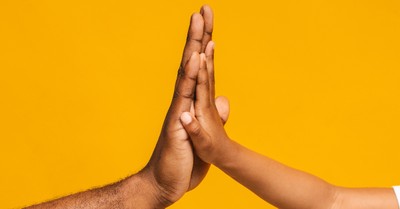
Why it Is So Important to Teach Your Kids Respect

Carbonatix Pre-Player Loader

Audio By Carbonatix

1. This World Will Always Have a Need for Respect

We live in a world with billions of people and that means we cannot always get our way. To get along, we need to care about one another and value the uniqueness of each person.

The seed of respect starts with a parent noticing and caring for the needs of their baby. It grows as we point out the good in other people and how we should appreciate each individual’s uniqueness.

Parents begin the teaching process as children begin to interact with other people and children as they learn to share and take turns. Parents also train children to use good manners and polite words to honor others.

The teaching extends to showing the need to respect all creations, people, cultures, lives, property, and even national symbols. Respect is not something to be earned, although it can be lost.

Everyone deserves respect because the image of God is within each person.

Let’s consider the many benefits of respect as understanding those provides the fuel to persist in mentoring and teaching respect.

2. Respect Is Key to Building Strong Relationships

Respect builds trust and underscores our attitude toward the other person. When we value someone, we appreciate their talents and abilities and that opens us to listening to them.

Because they are important to us, we treat them with courtesy and consider their feelings. Those are key in developing lasting relationships.

Nurture respect for people by asking children what they like about a new friend or person they met. Share how to greet the person and make the friend feel welcomed when they visit. Remind them to use encouraging words and good manners to show courtesy and honor the individual.

Read Matthew 7:12, the golden rule and talk about how that is the big idea of showing respect.

Photo Credit: ©GettyImages/LoveTheWind
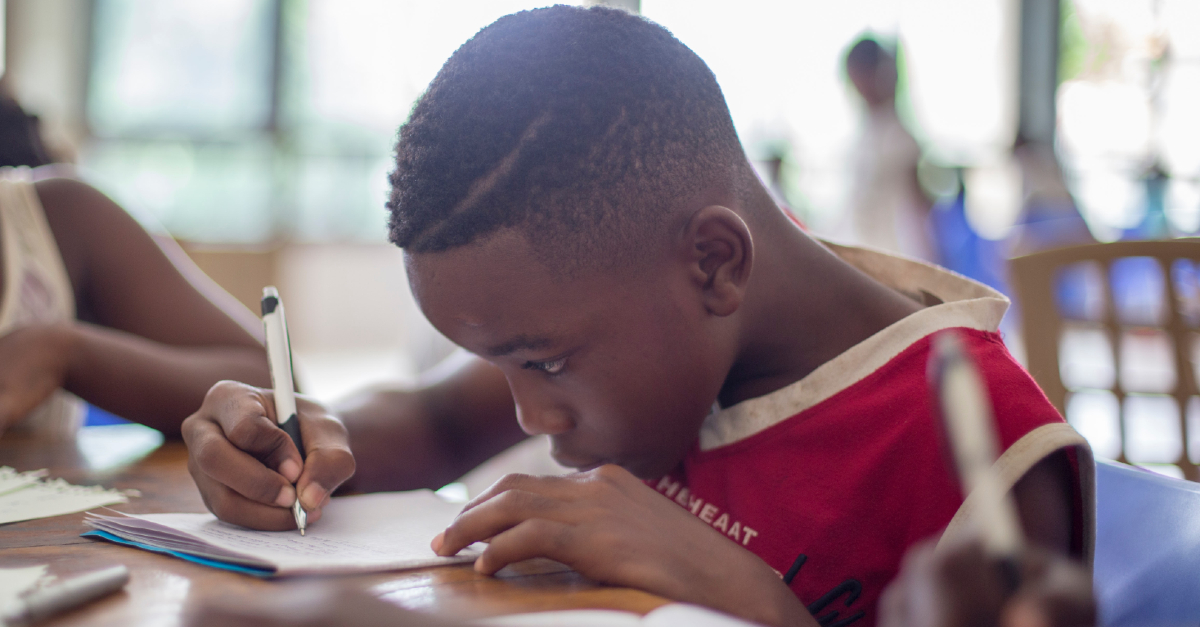

3. Respect Is Tied to Success

Teachers and people think more favorably of respectful children. That can open doors for them and even help them receive higher grades. As adults, they will more likely be hired, trusted as employees, and advance in their careers. Increasing respect is the simplest way for a business to improve productivity.

Teach children to take pride in their chores and to do them on time. Help them understand that helping at home builds a better family life and makes your home safer and cleaner.

This builds self-respect as they see their effort is valued. Affirm and approve completion of tasks to show you respect them.

Praise people for what they do to make the world better, from the janitor and salesclerks to leaders. Let them understand that we all need to do our part and appreciate what others do whether it seems glamorous or not.

Arriving on time for activities and thanking people for their work also shows that we respect their efforts. These actions of respect also make us trustworthy and kind, more attributes that help us succeed in life.

4. Respect Is a Building Block for Peace

When we value and appreciate others, we are willing to uphold their rights.

We open doors of communication because we are willing to listen when we care about people, even if we disagree on some topics. It shows that we want to understand their perspective. This makes it easier to resolve conflicts and discuss ways to overcome obstacles.

That helps people want to compromise for the common good and find workable solutions.

Listen to your children when they respectfully disagree. Sit and let each person present his or her viewpoint and ideas. Pray for God’s wisdom and the guidance of the Holy Spirit.

Choose what appears to be the best solution and agree to meet again to follow up on the plan. This helps children put respect into action and understand how to resolve conflicts. Knowing they have a voice helps to also bring inner peace.

Children who feel valued are not acting out to get attention. They have healthy self-esteem and that gives them inner peace.

Photo Credit: ©Unsplash/Santi Vedri
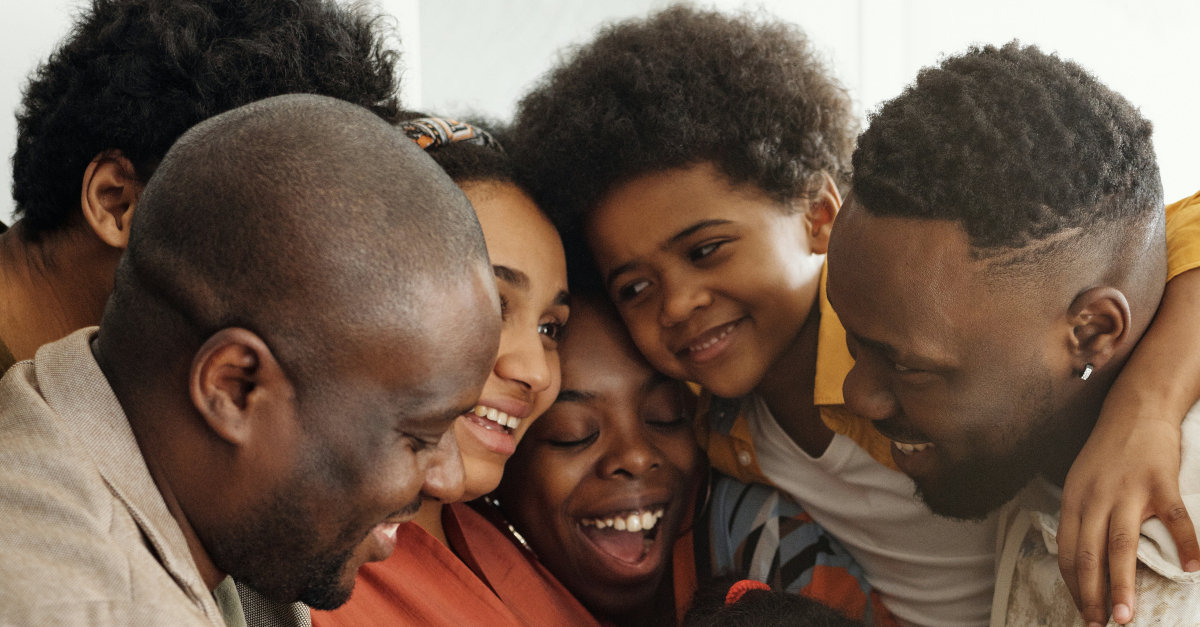

5. Respect Brings Harmony at Home

When children respect their parents, they accept their word and don’t nag. When a parent says, ‘yes’ or ‘no’ the child accepts the answer. They understand that mom or dad will enforce the consequence if they talk back or try to manipulate the parent into getting their own way instead of accepting the parent’s answer. 

Practice following through with consequences and showing that complaints are not acceptable behavior. In our home if a child complained that a sibling received more ice cream or cake, we simply took a little from the complainer and added it to that sibling’s plate. That stopped the grumbling.

If a child complained about a five-minute timeout, it became a ten-minute timeout and we changed the timer’s setting. That eliminated nagging and arguing. They could ask to discuss the problem quietly or submit a written proposal for a new solution or rule change. They respected us for living up to our word.      

6. Respectful Children Make Better Choices

Studies show that children who respect their parents also respect authority of teachers, law enforcement, and other leaders. They are less likely to give in to peer pressure and more likely to avoid poor decisions such as drugs, alcohol, and sex.

They are also more likely to engage in meaningful conversations and relationships. With respect comes loyalty since they value people and that keeps relationships healthy.

Show you respect and approve of your children by investing time in them. Spend time in play and activities they enjoy.

Ask meaningful questions they can answer, such as what was one thing that made you smile today or what did you do that was hard?

When they have a problem, ask how it makes them feel and what they think would be a good solution. Let them share how possible solutions and let you know the pros and cons. That shows you respect their feelings and believe they can come up with good solutions.

As a result, they can better evaluate choices and avoid poor ones that have negative consequences.

Let's now discuss 3 how's to help instill respect into your kid's hearts.

Photo Credit: ©Pexels/August de Richelieu 


1. Model Respect for Authority 

Living with respect helps children see the benefit of respecting authority. It also helps for them to discuss how people in authority are usually there because they were selected or elected.

Either way, that shows that a leader, a business owner, or the majority of voters believed in the person’s ability. We may disagree, but we need to respect the choice.

Help children value your choices. When you pick one child to go first in a game or to divide up a treat, let them know they need to respect your choice.

They will, over time, have their opportunities to lead. This helps younger children accept the authority of an older child to babysit. They will learn that as they develop skills, they can become leaders too.

That helps them appreciate talents in community leaders and others in authority.

Praise community workers such as firefighters and police. Also, praise repair people and anyone who serves them so they will notice how many people help us and make our communities safer and better places to live.

2. Scriptures That Share God's Perspective on Respect

Many scriptures relate to respect for authority and make good readings for discussing how to treat others.

Jesus praised a military leader for his respect for authority in Matthew 8:5-13. Characteristics of spiritual leaders include respect in 1 Timothy 3:2, that echoes how to choose leaders in Deuteronomy 1:13-15.

Children are commanded to obey their parents and that comes with a promise of good consequences, Ephesians 6:1-3.

In 1 Peter 2:17, the believer is told to respect everyone. James 2:9 reminds us to be fair and not favor some people over others. Since Romans 13:1-7 teaches that all authority comes from God who is sovereign, then disrespecting authority is disrespecting God and his decisions. John 3:16 reminds us that God loves everyone.

The Old Testament laws showed strong responses to disrespect with bringing children to the elders and stoning them for rebelliousness, in Deuteronomy 21:18-21. That’s a reminder that God is not pleased with disrespect.

He wants us to follow Philippians 2:3 and John 15:17 to love others without putting our needs first. 

Photo Credit: ©Getty Images/Kaybe70 
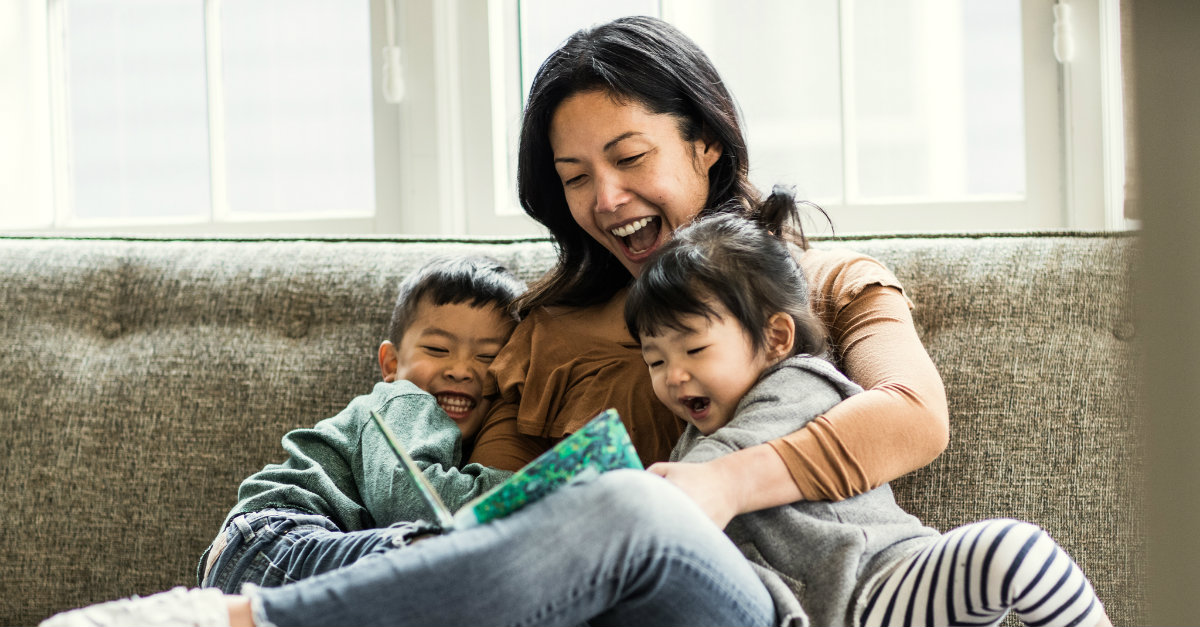

3. Continually Practice Respect

To nurture respect, continually focus on manners, putting others first, and listening.

Be the parent and don’t try to be a pal or friend. They can make new friends, but parents are special and need to retain their authority. They are still the greatest influencers in a child’s life.

That means you set the rules, the boundaries, and consequences. It also means you need to be authentic in your own actions of respect.

Apologize when needed because that also shows you value the person enough to admit when made a wrong or hurtful choice. This will make a huge impact on your children as it shows your respect for them as individuals, too.

Respect is something that needs to be cultivated over a lifetime, and mistakes will happen, but boundaries can be put back where they need to be.

This little acrostic can be a guide for how to respect people. Post it and read it when children start slipping up and showing disrespect:

Really listen to the person

Esteem the person (see person as valuable; God loves him/her, God’s image is in him/her)

Safeguard the person’s feelings with kindness and no teasing or gossiping

Praise the person for his or her abilities

Engage with the person: that means do something together

Consider the person’s needs and how you can make him or her feel good

Talk and use encouraging words

Respect makes our children better people, for themselves, for God, and for everyone around them. What steps can you take from these lessons today?

Photo Credit: ©Getty/MoMo-Productions 

 

Salem News Channel Today

Sponsored Links


September 26 - Phoenix, AZ
Scottsdale Center for the Performing Arts


November 2 - Detroit, MI
Zion Christian Church in Troy


October 6 - Los Angeles, CA
Pasadena Convention Center


November 5 - San Antonio, TX
Norris Centers – The Grand Red Oak Ballroom


October 8 - Sacramento, CA
William Jessup University


November 7 - Tampa, FL
The Palladium at St. Pete College


October 22 - Minneapolis, MN
Crowne Plaza AiRE


November 15 - San Francisco, CA
Fremont Marriott Silicon Valley


October 23 - Philadelphia, PA
Green Valley Country Club


November 16 - Denver, CO
CU South Denver - Formerly Wildlife Experience


November 2 - Chicago, IL
Chicago Westin Northwest in Itasca


November 21 - Cleveland, OH
Holiday Inn Rockside in Independence


Salem Radio Network Speakers

Larry Elder is an American lawyer, writer, and radio and television personality who calls himself the "Sage of South Central" a district of Los Angeles, Larry says his philosophy is to entertain, inform, provoke and to hopefully uplift. His calling card is "we have a country to save" and to him this means returning to the bedrock Constitutional principles of limited government and maximum personal responsibility. Elder's iconoclastic wit and intellectual agility makes him a particularly attractive voice in a nation that seems weary of traditional racial dialogue.” – Los Angeles Times.

Mike Gallagher Mike Gallagher began his broadcasting career in 1978 in Dayton, Ohio. Today, he is one of the most listened-to talk radio show hosts in America, recently having been ranked in the Talkers Magazine “Heavy Hundred” list – the 100 most important talk radio hosts in America. Prior to being launched into national syndication in 1998, Mike hosted the morning show on WABC-AM in New York City. Today, Talkers Magazine reports that his show is heard by over 3.75 million weekly listeners. Besides his radio work, Mike is seen on Fox News Channel as an on-air contributor, frequently appearing on the cable news giant.

Hugh Hewitt is one of the nation’s leading bloggers and a genuine media revolutionary. He brings that expertise, his wit and what The New Yorker magazine calls his “amiable but relentless manner” to his nationally syndicated show each day.

When Dr. Sebastian Gorka was growing up, he listened to talk radio under his pillow with a transistor radio, dreaming that one day he would be behind the microphone. Beginning New Year’s Day 2019, he got his wish. Gorka now hosts America First every weekday afternoon 3 to 6pm ET. Gorka’s unique story works well on the radio. He is national security analyst for the Fox News Channel and author of two books: "Why We Fight" and "Defeating Jihad." His latest book releasing this fall is “War For America’s Soul.” He is uniquely qualified to fight the culture war and stand up for what is great about America, his adopted home country.

Broadcasting from his home station of KRLA in Los Angeles, the Dennis Prager Show is heard across the country. Everything in life – from politics to religion to relationships – is grist for Dennis’ mill. If it’s interesting, if it affects your life, then Dennis will be talking about it – with passion, humor, insight and wisdom.

Sean Hannity is a conservative radio and television host, and one of the original primetime hosts on the Fox News Channel, where he has appeared since 1996. Sean Hannity began his radio career at a college station in California, before moving on to markets in the Southeast and New York. Today, he’s one of the most listened to on-air voices. Hannity’s radio program went into national syndication on September 10, 2001, and airs on more than 500 stations. Talkers Magazine estimates Hannity’s weekly radio audience at 13.5 million. In 1996 he was hired as one of the original hosts on Fox News Channel. As host of several popular Fox programs, Hannity has become the highest-paid news anchor on television.

Michelle Malkin is a mother, wife, blogger, conservative syndicated columnist, longtime cable TV news commentator, and best-selling author of six books. She started her newspaper journalism career at the Los Angeles Daily News in 1992, moved to the Seattle Times in 1995, and has been penning nationally syndicated newspaper columns for Creators Syndicate since 1999. She is founder of conservative Internet start-ups Hot Air and Twitchy.com. Malkin has received numerous awards for her investigative journalism, including the Council on Governmental Ethics Laws (COGEL) national award for outstanding service for the cause of governmental ethics and leadership (1998), the Reed Irvine Accuracy in Media Award for Investigative Journalism (2006), the Heritage Foundation and Franklin Center for Government & Public Integrity's Breitbart Award for Excellence in Journalism (2013), the Center for Immigration Studies' Eugene Katz Award for Excellence in the Coverage of Immigration Award (2016), and the Manhattan Film Festival's Film Heals Award (2018). Married for 26 years and the mother of two teenage children, she lives with her family in Colorado. Follow her at michellemalkin.com. (Photo reprinted with kind permission from Peter Duke Photography.)

Sponsored by:

Why it Is So Important to Teach Your Kids Respect

Carbonatix Pre-Player Loader

Audio By Carbonatix

1. This World Will Always Have a Need for Respect

We live in a world with billions of people and that means we cannot always get our way. To get along, we need to care about one another and value the uniqueness of each person.

The seed of respect starts with a parent noticing and caring for the needs of their baby. It grows as we point out the good in other people and how we should appreciate each individual’s uniqueness.

Parents begin the teaching process as children begin to interact with other people and children as they learn to share and take turns. Parents also train children to use good manners and polite words to honor others.

The teaching extends to showing the need to respect all creations, people, cultures, lives, property, and even national symbols. Respect is not something to be earned, although it can be lost.

Everyone deserves respect because the image of God is within each person.

Let’s consider the many benefits of respect as understanding those provides the fuel to persist in mentoring and teaching respect.

2. Respect Is Key to Building Strong Relationships

Respect builds trust and underscores our attitude toward the other person. When we value someone, we appreciate their talents and abilities and that opens us to listening to them.

Because they are important to us, we treat them with courtesy and consider their feelings. Those are key in developing lasting relationships.

Nurture respect for people by asking children what they like about a new friend or person they met. Share how to greet the person and make the friend feel welcomed when they visit. Remind them to use encouraging words and good manners to show courtesy and honor the individual.

Read Matthew 7:12, the golden rule and talk about how that is the big idea of showing respect.

Photo Credit: ©GettyImages/LoveTheWind


3. Respect Is Tied to Success

Teachers and people think more favorably of respectful children. That can open doors for them and even help them receive higher grades. As adults, they will more likely be hired, trusted as employees, and advance in their careers. Increasing respect is the simplest way for a business to improve productivity.

Teach children to take pride in their chores and to do them on time. Help them understand that helping at home builds a better family life and makes your home safer and cleaner.

This builds self-respect as they see their effort is valued. Affirm and approve completion of tasks to show you respect them.

Praise people for what they do to make the world better, from the janitor and salesclerks to leaders. Let them understand that we all need to do our part and appreciate what others do whether it seems glamorous or not.

Arriving on time for activities and thanking people for their work also shows that we respect their efforts. These actions of respect also make us trustworthy and kind, more attributes that help us succeed in life.

4. Respect Is a Building Block for Peace

When we value and appreciate others, we are willing to uphold their rights.

We open doors of communication because we are willing to listen when we care about people, even if we disagree on some topics. It shows that we want to understand their perspective. This makes it easier to resolve conflicts and discuss ways to overcome obstacles.

That helps people want to compromise for the common good and find workable solutions.

Listen to your children when they respectfully disagree. Sit and let each person present his or her viewpoint and ideas. Pray for God’s wisdom and the guidance of the Holy Spirit.

Choose what appears to be the best solution and agree to meet again to follow up on the plan. This helps children put respect into action and understand how to resolve conflicts. Knowing they have a voice helps to also bring inner peace.

Children who feel valued are not acting out to get attention. They have healthy self-esteem and that gives them inner peace.

Photo Credit: ©Unsplash/Santi Vedri


5. Respect Brings Harmony at Home

When children respect their parents, they accept their word and don’t nag. When a parent says, ‘yes’ or ‘no’ the child accepts the answer. They understand that mom or dad will enforce the consequence if they talk back or try to manipulate the parent into getting their own way instead of accepting the parent’s answer. 

Practice following through with consequences and showing that complaints are not acceptable behavior. In our home if a child complained that a sibling received more ice cream or cake, we simply took a little from the complainer and added it to that sibling’s plate. That stopped the grumbling.

If a child complained about a five-minute timeout, it became a ten-minute timeout and we changed the timer’s setting. That eliminated nagging and arguing. They could ask to discuss the problem quietly or submit a written proposal for a new solution or rule change. They respected us for living up to our word.      

6. Respectful Children Make Better Choices

Studies show that children who respect their parents also respect authority of teachers, law enforcement, and other leaders. They are less likely to give in to peer pressure and more likely to avoid poor decisions such as drugs, alcohol, and sex.

They are also more likely to engage in meaningful conversations and relationships. With respect comes loyalty since they value people and that keeps relationships healthy.

Show you respect and approve of your children by investing time in them. Spend time in play and activities they enjoy.

Ask meaningful questions they can answer, such as what was one thing that made you smile today or what did you do that was hard?

When they have a problem, ask how it makes them feel and what they think would be a good solution. Let them share how possible solutions and let you know the pros and cons. That shows you respect their feelings and believe they can come up with good solutions.

As a result, they can better evaluate choices and avoid poor ones that have negative consequences.

Let's now discuss 3 how's to help instill respect into your kid's hearts.

Photo Credit: ©Pexels/August de Richelieu 


1. Model Respect for Authority 

Living with respect helps children see the benefit of respecting authority. It also helps for them to discuss how people in authority are usually there because they were selected or elected.

Either way, that shows that a leader, a business owner, or the majority of voters believed in the person’s ability. We may disagree, but we need to respect the choice.

Help children value your choices. When you pick one child to go first in a game or to divide up a treat, let them know they need to respect your choice.

They will, over time, have their opportunities to lead. This helps younger children accept the authority of an older child to babysit. They will learn that as they develop skills, they can become leaders too.

That helps them appreciate talents in community leaders and others in authority.

Praise community workers such as firefighters and police. Also, praise repair people and anyone who serves them so they will notice how many people help us and make our communities safer and better places to live.

2. Scriptures That Share God's Perspective on Respect

Many scriptures relate to respect for authority and make good readings for discussing how to treat others.

Jesus praised a military leader for his respect for authority in Matthew 8:5-13. Characteristics of spiritual leaders include respect in 1 Timothy 3:2, that echoes how to choose leaders in Deuteronomy 1:13-15.

Children are commanded to obey their parents and that comes with a promise of good consequences, Ephesians 6:1-3.

In 1 Peter 2:17, the believer is told to respect everyone. James 2:9 reminds us to be fair and not favor some people over others. Since Romans 13:1-7 teaches that all authority comes from God who is sovereign, then disrespecting authority is disrespecting God and his decisions. John 3:16 reminds us that God loves everyone.

The Old Testament laws showed strong responses to disrespect with bringing children to the elders and stoning them for rebelliousness, in Deuteronomy 21:18-21. That’s a reminder that God is not pleased with disrespect.

He wants us to follow Philippians 2:3 and John 15:17 to love others without putting our needs first. 

Photo Credit: ©Getty Images/Kaybe70 


3. Continually Practice Respect

To nurture respect, continually focus on manners, putting others first, and listening.

Be the parent and don’t try to be a pal or friend. They can make new friends, but parents are special and need to retain their authority. They are still the greatest influencers in a child’s life.

That means you set the rules, the boundaries, and consequences. It also means you need to be authentic in your own actions of respect.

Apologize when needed because that also shows you value the person enough to admit when made a wrong or hurtful choice. This will make a huge impact on your children as it shows your respect for them as individuals, too.

Respect is something that needs to be cultivated over a lifetime, and mistakes will happen, but boundaries can be put back where they need to be.

This little acrostic can be a guide for how to respect people. Post it and read it when children start slipping up and showing disrespect:

Really listen to the person

Esteem the person (see person as valuable; God loves him/her, God’s image is in him/her)

Safeguard the person’s feelings with kindness and no teasing or gossiping

Praise the person for his or her abilities

Engage with the person: that means do something together

Consider the person’s needs and how you can make him or her feel good

Talk and use encouraging words

Respect makes our children better people, for themselves, for God, and for everyone around them. What steps can you take from these lessons today?

Photo Credit: ©Getty/MoMo-Productions 

 

Salem News Channel Today

Sponsored Links

On Air & Up Next

See the Full Program Guide