Every New Dog Breed Recognized in 2026

Carbonatix Pre-Player Loader

Audio By Carbonatix

Trusty canines have been a human's best friend since the dawn of modern civilization, resulting in a broad range of breeds as wonderfully diverse in appearance and personality as the very people who bred them. Good for companionship and protection, dogs remain so lovable that we're willing to look the other way even when they occasionally ruin the carpet or destroy our favorite slippers.

Meanwhile, as we crafty humans (and chance) continue experimenting with the possibilities of genetic selection and crossbreeding, new breeds emerge to deliver all sorts of lovable (and not so lovable) unique traits along with them. Not to mention all the breeds that have been around for hundreds of years, slipping under the American radar until finally earning their way into our hearts and homes. It might lead one to wonder: Have any new purebreds been officially recognized by the American Kennel Club—which determines our pedigree registry—in 2026?

Wonder no more. Stacker is here to heed the call. So far in 2026, AKC has recognized three new breeds, bringing the total number of AKC-recognized breeds to 205.

What will the future hold for our favorite furry friends? Only time will tell.

1. Russian Tsvetnaya Bolonka
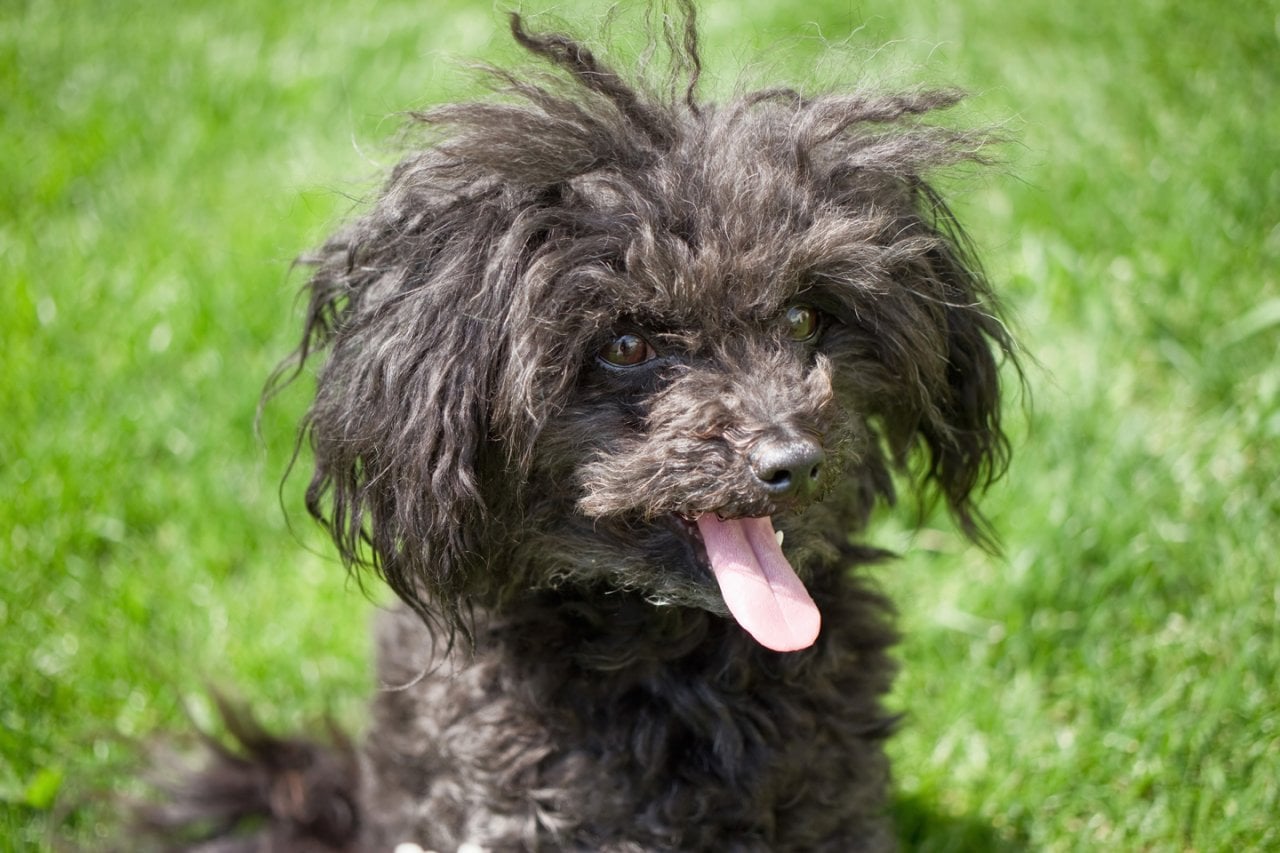
Portrait of Russian Tsvetnaya Bolonka with sticked out tongue
Hanicka1982 // Shutterstock

Often simply called "Bolonka" ("Bolonki" in the plural), the name of this charming, medium-coated toy breed translates to "Russian colored lapdog." The easygoing Bolonka stands just 11 inches tall and weighs between six and nine pounds, making for a petite, ultra-friendly companion who can go just about anywhere with their owner. When they're not lounging around with family members, Bolonki are dedicated watchdogs, though they won't bark constantly.

2. Basset Fauve de Bretagne
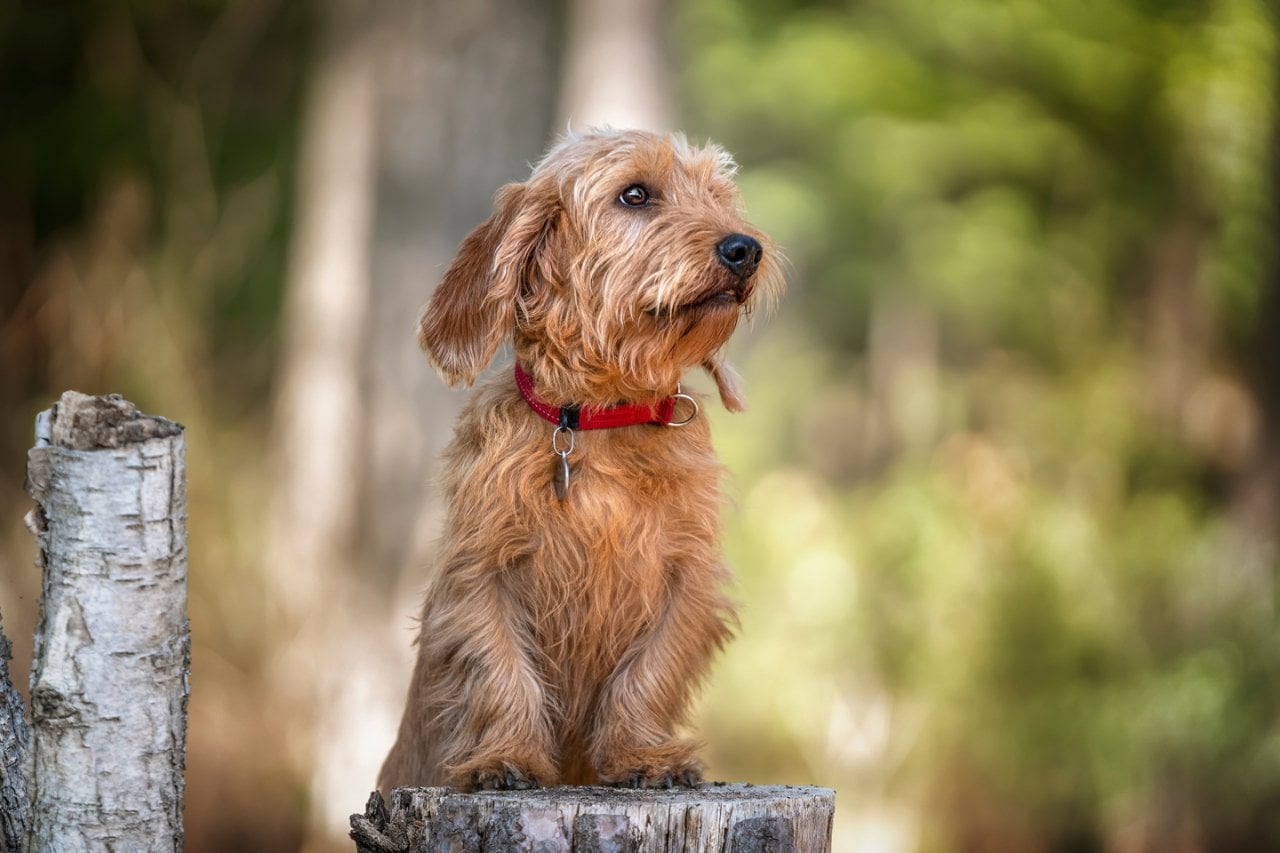
Basset Fauve de Bretagne standing tall against a tree stump and looking slightly away in the forest
chrisukphoto // shutterstock

The spirited, sociable Basset Fauve de Bretagne developed in 18th- and 19th-century France as a short-legged hunting hound. Though once believed to be near extinction, the breed has continued to thrive in its native country and now enjoys growing popularity worldwide. The Basset Fauve de Bretagne easily wins over owners with its friendly facial expression and sweet demeanor, though the dogs can be stubborn and are happiest with vigorous exercise.

3. Teddy Roosevelt Terrier
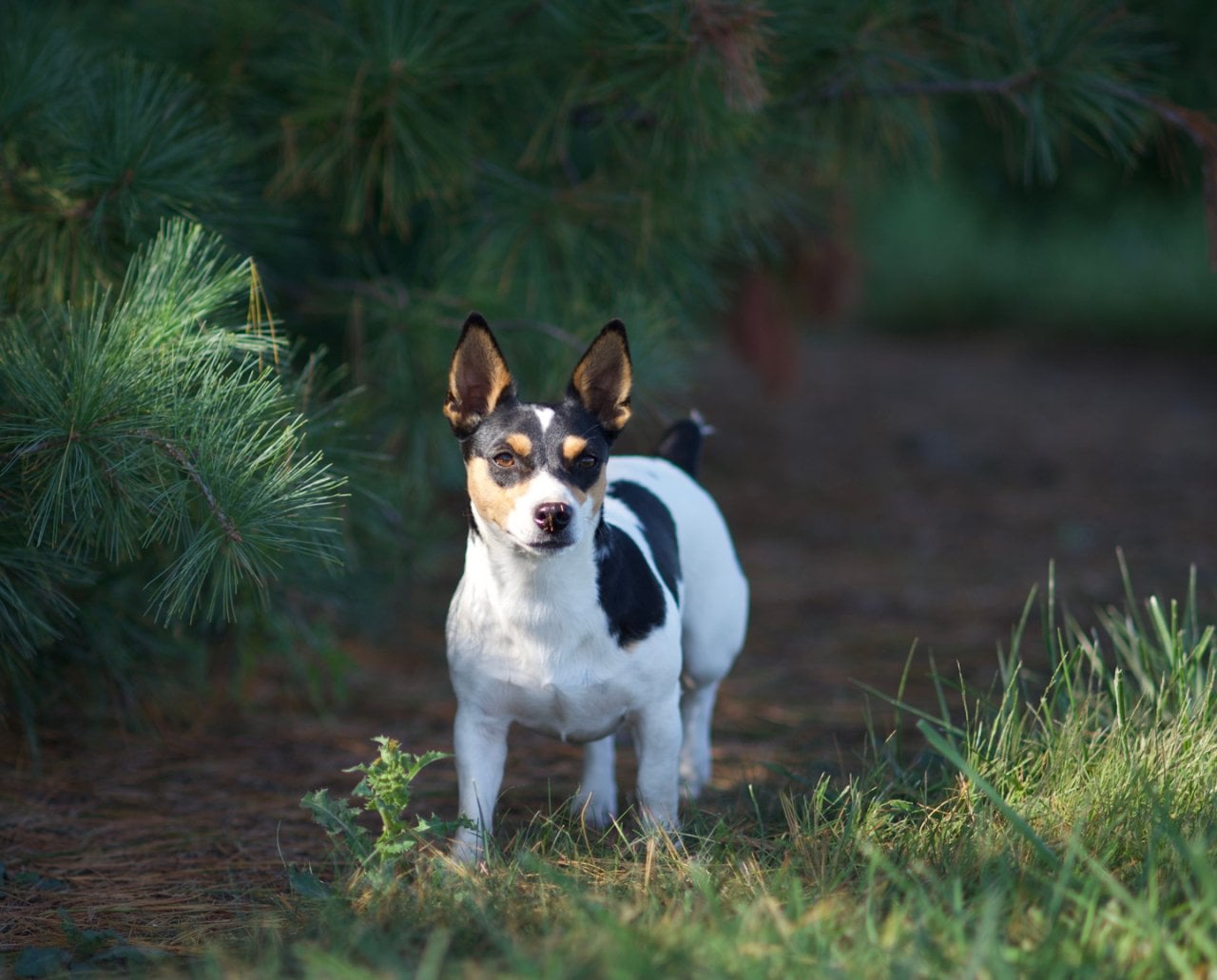
A female Teddy Roosevelt terrier by pine tree
MomentsbyMallory // Shutterstock

President Theodore Roosevelt is said to have owned these energetic ratting terriers, whose adaptability and petite size make them equally well suited to apartments or rural living. Though bred to hunt vermin, the Teddy Roosevelt Terrier also excels at obedience and agility training. Regardless of the task at hand, the Teddy Roosevelt Terrier requires significant exercise and an indoor-outdoor environment where they can spend quality time with their favorite humans.

How the AKC Determines New Breeds

Getting a new breed officially recognized by the AKC isn't exactly a walk in the park. It's a lengthy process that takes years of dedication from breeders and owners committed to their breeds.

The road to acceptance starts with meeting specific criteria, including foreign breed registry recognition and reliable U.S. record-keeping before entering the AKC Foundation Stock Service (FSS). From there, breeds need 150 dogs with three-generation pedigrees, a written breed standard, and one U.S. club representing them before moving into the Miscellaneous Class.

Before achieving full recognition, breeds must prove they have a minimum number of dogs spread across different areas of the United States, parent club members in good standing, and dogs earning Certificate of Merit titles in the Miscellaneous class. Only then can they finally join the official roster and start competing in AKC Conformation events.




Salem News Channel Today

Sponsored Links


September 26 - Phoenix, AZ
Scottsdale Center for the Performing Arts


November 2 - Detroit, MI
Zion Christian Church in Troy


October 6 - Los Angeles, CA
Pasadena Convention Center


November 5 - San Antonio, TX
Norris Centers – The Grand Red Oak Ballroom


October 8 - Sacramento, CA
William Jessup University


November 7 - Tampa, FL
The Palladium at St. Pete College


October 22 - Minneapolis, MN
Crowne Plaza AiRE


November 15 - San Francisco, CA
Fremont Marriott Silicon Valley


October 23 - Philadelphia, PA
Green Valley Country Club


November 16 - Denver, CO
CU South Denver - Formerly Wildlife Experience


November 2 - Chicago, IL
Chicago Westin Northwest in Itasca


November 21 - Cleveland, OH
Holiday Inn Rockside in Independence


Salem Radio Network Speakers

Larry Elder is an American lawyer, writer, and radio and television personality who calls himself the "Sage of South Central" a district of Los Angeles, Larry says his philosophy is to entertain, inform, provoke and to hopefully uplift. His calling card is "we have a country to save" and to him this means returning to the bedrock Constitutional principles of limited government and maximum personal responsibility. Elder's iconoclastic wit and intellectual agility makes him a particularly attractive voice in a nation that seems weary of traditional racial dialogue.” – Los Angeles Times.

Mike Gallagher Mike Gallagher began his broadcasting career in 1978 in Dayton, Ohio. Today, he is one of the most listened-to talk radio show hosts in America, recently having been ranked in the Talkers Magazine “Heavy Hundred” list – the 100 most important talk radio hosts in America. Prior to being launched into national syndication in 1998, Mike hosted the morning show on WABC-AM in New York City. Today, Talkers Magazine reports that his show is heard by over 3.75 million weekly listeners. Besides his radio work, Mike is seen on Fox News Channel as an on-air contributor, frequently appearing on the cable news giant.

Hugh Hewitt is one of the nation’s leading bloggers and a genuine media revolutionary. He brings that expertise, his wit and what The New Yorker magazine calls his “amiable but relentless manner” to his nationally syndicated show each day.

When Dr. Sebastian Gorka was growing up, he listened to talk radio under his pillow with a transistor radio, dreaming that one day he would be behind the microphone. Beginning New Year’s Day 2019, he got his wish. Gorka now hosts America First every weekday afternoon 3 to 6pm ET. Gorka’s unique story works well on the radio. He is national security analyst for the Fox News Channel and author of two books: "Why We Fight" and "Defeating Jihad." His latest book releasing this fall is “War For America’s Soul.” He is uniquely qualified to fight the culture war and stand up for what is great about America, his adopted home country.

Broadcasting from his home station of KRLA in Los Angeles, the Dennis Prager Show is heard across the country. Everything in life – from politics to religion to relationships – is grist for Dennis’ mill. If it’s interesting, if it affects your life, then Dennis will be talking about it – with passion, humor, insight and wisdom.

Sean Hannity is a conservative radio and television host, and one of the original primetime hosts on the Fox News Channel, where he has appeared since 1996. Sean Hannity began his radio career at a college station in California, before moving on to markets in the Southeast and New York. Today, he’s one of the most listened to on-air voices. Hannity’s radio program went into national syndication on September 10, 2001, and airs on more than 500 stations. Talkers Magazine estimates Hannity’s weekly radio audience at 13.5 million. In 1996 he was hired as one of the original hosts on Fox News Channel. As host of several popular Fox programs, Hannity has become the highest-paid news anchor on television.

Michelle Malkin is a mother, wife, blogger, conservative syndicated columnist, longtime cable TV news commentator, and best-selling author of six books. She started her newspaper journalism career at the Los Angeles Daily News in 1992, moved to the Seattle Times in 1995, and has been penning nationally syndicated newspaper columns for Creators Syndicate since 1999. She is founder of conservative Internet start-ups Hot Air and Twitchy.com. Malkin has received numerous awards for her investigative journalism, including the Council on Governmental Ethics Laws (COGEL) national award for outstanding service for the cause of governmental ethics and leadership (1998), the Reed Irvine Accuracy in Media Award for Investigative Journalism (2006), the Heritage Foundation and Franklin Center for Government & Public Integrity's Breitbart Award for Excellence in Journalism (2013), the Center for Immigration Studies' Eugene Katz Award for Excellence in the Coverage of Immigration Award (2016), and the Manhattan Film Festival's Film Heals Award (2018). Married for 26 years and the mother of two teenage children, she lives with her family in Colorado. Follow her at michellemalkin.com. (Photo reprinted with kind permission from Peter Duke Photography.)

Sponsored by:

Every New Dog Breed Recognized in 2026

Carbonatix Pre-Player Loader

Audio By Carbonatix

Trusty canines have been a human's best friend since the dawn of modern civilization, resulting in a broad range of breeds as wonderfully diverse in appearance and personality as the very people who bred them. Good for companionship and protection, dogs remain so lovable that we're willing to look the other way even when they occasionally ruin the carpet or destroy our favorite slippers.

Meanwhile, as we crafty humans (and chance) continue experimenting with the possibilities of genetic selection and crossbreeding, new breeds emerge to deliver all sorts of lovable (and not so lovable) unique traits along with them. Not to mention all the breeds that have been around for hundreds of years, slipping under the American radar until finally earning their way into our hearts and homes. It might lead one to wonder: Have any new purebreds been officially recognized by the American Kennel Club—which determines our pedigree registry—in 2026?

Wonder no more. Stacker is here to heed the call. So far in 2026, AKC has recognized three new breeds, bringing the total number of AKC-recognized breeds to 205.

What will the future hold for our favorite furry friends? Only time will tell.

1. Russian Tsvetnaya Bolonka

Portrait of Russian Tsvetnaya Bolonka with sticked out tongue
Hanicka1982 // Shutterstock

Often simply called "Bolonka" ("Bolonki" in the plural), the name of this charming, medium-coated toy breed translates to "Russian colored lapdog." The easygoing Bolonka stands just 11 inches tall and weighs between six and nine pounds, making for a petite, ultra-friendly companion who can go just about anywhere with their owner. When they're not lounging around with family members, Bolonki are dedicated watchdogs, though they won't bark constantly.

2. Basset Fauve de Bretagne

Basset Fauve de Bretagne standing tall against a tree stump and looking slightly away in the forest
chrisukphoto // shutterstock

The spirited, sociable Basset Fauve de Bretagne developed in 18th- and 19th-century France as a short-legged hunting hound. Though once believed to be near extinction, the breed has continued to thrive in its native country and now enjoys growing popularity worldwide. The Basset Fauve de Bretagne easily wins over owners with its friendly facial expression and sweet demeanor, though the dogs can be stubborn and are happiest with vigorous exercise.

3. Teddy Roosevelt Terrier

A female Teddy Roosevelt terrier by pine tree
MomentsbyMallory // Shutterstock

President Theodore Roosevelt is said to have owned these energetic ratting terriers, whose adaptability and petite size make them equally well suited to apartments or rural living. Though bred to hunt vermin, the Teddy Roosevelt Terrier also excels at obedience and agility training. Regardless of the task at hand, the Teddy Roosevelt Terrier requires significant exercise and an indoor-outdoor environment where they can spend quality time with their favorite humans.

How the AKC Determines New Breeds

Getting a new breed officially recognized by the AKC isn't exactly a walk in the park. It's a lengthy process that takes years of dedication from breeders and owners committed to their breeds.

The road to acceptance starts with meeting specific criteria, including foreign breed registry recognition and reliable U.S. record-keeping before entering the AKC Foundation Stock Service (FSS). From there, breeds need 150 dogs with three-generation pedigrees, a written breed standard, and one U.S. club representing them before moving into the Miscellaneous Class.

Before achieving full recognition, breeds must prove they have a minimum number of dogs spread across different areas of the United States, parent club members in good standing, and dogs earning Certificate of Merit titles in the Miscellaneous class. Only then can they finally join the official roster and start competing in AKC Conformation events.



Salem News Channel Today

Sponsored Links

On Air & Up Next

See the Full Program Guide






















