Experts see a rising trend in pet humanization

Carbonatix Pre-Player Loader

Audio By Carbonatix

Experts see a rising trend in pet humanization

Sixty-nine percent of Millennials and Gen Z now view their pets as family members. It is a shift that has erased the old, rigid line between animal care and human lifestyle. Historically, our bond with animals was a functional trade: Dogs helped us hunt and cats managed pests in exchange for shelter.

Now, that hierarchy is fading. Data from Euromonitor International confirms this isn’t just a social media trend. The hierarchy with humans at the top and domesticated animals far below them is gradually being dismantled. While viral videos show the affection, the hard numbers reveal a much deeper industry evolution. In this article, Pink Papyrus, a pet accessories provider, explores the growing trend in pet humanization.

Petcare Spending Signals Changing Priorities

To determine how far pet humanization has come, you only need to look at how quickly disposable income is being reallocated into petcare, despite the inflationary pressures affecting household budgets. Figures from Future Market Insights show that this niche will grow by a 7.1% compound annual growth rate annually through 2035, reaching $483.5 billion globally. Analysts point to the premiumization of pet products, including an emphasis on improving animal nutrition and healthcare, as the chief driver of this growth.

The trend for spending more on pets extends to lifestyle and recreational products. Many owners are willing to pay a premium for the likes of ergonomic dog beds, leashes, and collars because investing in a pet’s comfort and happiness now shares the same level of importance as that of other members of the household.

In turn, consumer decisions for the pets they own reflect the same values that drive spending on products intended for people. The aforementioned analysis by Future Market Insights found that 70% of owners choose pet products made with sustainability in mind.

Moreover, pet insurance now covers over 7 million animals in the U.S. This indicates a shift toward proactive preventative care; owners are content to keep paying monthly premiums so that emergency vet bills don’t result in a sudden loss of household stability.

The Professionalization of Pet Care

Travel habits offer a clear look at this shift. According to American Pet Products Association data, 55% of dog owners and 36% of cat owners now pick vacation spots based specifically on pet-friendly infrastructure. The days of boarding pets as an afterthought are fading. Instead, animals are now full participants in the travel economy, driving significant investment in new, high-tier, global pet-inclusive hospitality services.

This level of commitment often mirrors a broader life shift. Many couples now treat pet ownership as a practical trial for parenthood. Navigating the daily demands of animal care allows them to gauge their lifestyle readiness before having a child. Within this "pet-first" mindset, managing an animal's specialized needs has become a core component of early adulthood planning.

The Advantages for Owners

It’s important not to perceive the pet humanization trend as one which leaves owners with nothing to gain from this reconfigured relationship. Yet more research reveals that the benefits pet owners derive from having animals in their lives can be quantified.

For instance, a study from the Human Animal Bond Research Institute (HABRI) found that 87% of owners have noticed physical and/or mental health upsides since forming a bond with their pet. This includes everything from reduced stress and loneliness to increased motivation to exercise regularly. Indeed, because pets provide owners with a way to face the challenges of modern life and come out the other side smiling, many would argue that this more than justifies any expenses they accrue along the way.

Pet Humanization as a Permanent Change

It can be argued that pet humanization has economic and social ramifications worth discussing, but the data suggests this is a permanent shift in consumer behavior. Even in a time of global political instability, the increase of spending in this sector tells us about our society as a whole.

If consumers are willing to make lifestyle sacrifices for the animals that share their homes, it indicates a broader trend of empathy-driven consumption that will likely continue to define the industry outlook through 2035.

Ultimately, these shifting household dynamics reflect a profound longing for genuine connection. We are witnessing a quiet revolution where the traditional boundaries of kinship are being redrawn across the globe.

This story was produced by Pink Papyrus and reviewed and distributed by Stacker.

 

Salem News Channel Today

Sponsored Links


September 26 - Phoenix, AZ
Scottsdale Center for the Performing Arts


November 2 - Detroit, MI
Zion Christian Church in Troy


October 6 - Los Angeles, CA
Pasadena Convention Center


November 5 - San Antonio, TX
Norris Centers – The Grand Red Oak Ballroom


October 8 - Sacramento, CA
William Jessup University


November 7 - Tampa, FL
The Palladium at St. Pete College


October 22 - Minneapolis, MN
Crowne Plaza AiRE


November 15 - San Francisco, CA
Fremont Marriott Silicon Valley


October 23 - Philadelphia, PA
Green Valley Country Club


November 16 - Denver, CO
CU South Denver - Formerly Wildlife Experience


November 2 - Chicago, IL
Chicago Westin Northwest in Itasca


November 21 - Cleveland, OH
Holiday Inn Rockside in Independence


Salem Radio Network Speakers

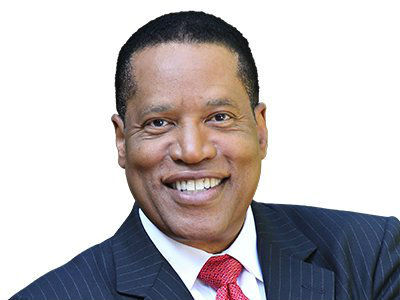
Larry Elder is an American lawyer, writer, and radio and television personality who calls himself the "Sage of South Central" a district of Los Angeles, Larry says his philosophy is to entertain, inform, provoke and to hopefully uplift. His calling card is "we have a country to save" and to him this means returning to the bedrock Constitutional principles of limited government and maximum personal responsibility. Elder's iconoclastic wit and intellectual agility makes him a particularly attractive voice in a nation that seems weary of traditional racial dialogue.” – Los Angeles Times.

Mike Gallagher Mike Gallagher began his broadcasting career in 1978 in Dayton, Ohio. Today, he is one of the most listened-to talk radio show hosts in America, recently having been ranked in the Talkers Magazine “Heavy Hundred” list – the 100 most important talk radio hosts in America. Prior to being launched into national syndication in 1998, Mike hosted the morning show on WABC-AM in New York City. Today, Talkers Magazine reports that his show is heard by over 3.75 million weekly listeners. Besides his radio work, Mike is seen on Fox News Channel as an on-air contributor, frequently appearing on the cable news giant.

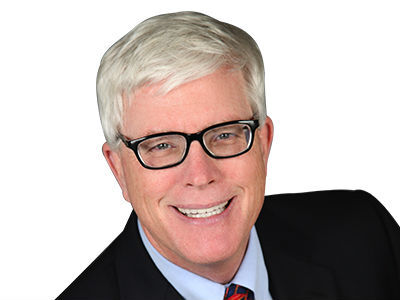
Hugh Hewitt is one of the nation’s leading bloggers and a genuine media revolutionary. He brings that expertise, his wit and what The New Yorker magazine calls his “amiable but relentless manner” to his nationally syndicated show each day.

When Dr. Sebastian Gorka was growing up, he listened to talk radio under his pillow with a transistor radio, dreaming that one day he would be behind the microphone. Beginning New Year’s Day 2019, he got his wish. Gorka now hosts America First every weekday afternoon 3 to 6pm ET. Gorka’s unique story works well on the radio. He is national security analyst for the Fox News Channel and author of two books: "Why We Fight" and "Defeating Jihad." His latest book releasing this fall is “War For America’s Soul.” He is uniquely qualified to fight the culture war and stand up for what is great about America, his adopted home country.

Broadcasting from his home station of KRLA in Los Angeles, the Dennis Prager Show is heard across the country. Everything in life – from politics to religion to relationships – is grist for Dennis’ mill. If it’s interesting, if it affects your life, then Dennis will be talking about it – with passion, humor, insight and wisdom.

Sean Hannity is a conservative radio and television host, and one of the original primetime hosts on the Fox News Channel, where he has appeared since 1996. Sean Hannity began his radio career at a college station in California, before moving on to markets in the Southeast and New York. Today, he’s one of the most listened to on-air voices. Hannity’s radio program went into national syndication on September 10, 2001, and airs on more than 500 stations. Talkers Magazine estimates Hannity’s weekly radio audience at 13.5 million. In 1996 he was hired as one of the original hosts on Fox News Channel. As host of several popular Fox programs, Hannity has become the highest-paid news anchor on television.

Michelle Malkin is a mother, wife, blogger, conservative syndicated columnist, longtime cable TV news commentator, and best-selling author of six books. She started her newspaper journalism career at the Los Angeles Daily News in 1992, moved to the Seattle Times in 1995, and has been penning nationally syndicated newspaper columns for Creators Syndicate since 1999. She is founder of conservative Internet start-ups Hot Air and Twitchy.com. Malkin has received numerous awards for her investigative journalism, including the Council on Governmental Ethics Laws (COGEL) national award for outstanding service for the cause of governmental ethics and leadership (1998), the Reed Irvine Accuracy in Media Award for Investigative Journalism (2006), the Heritage Foundation and Franklin Center for Government & Public Integrity's Breitbart Award for Excellence in Journalism (2013), the Center for Immigration Studies' Eugene Katz Award for Excellence in the Coverage of Immigration Award (2016), and the Manhattan Film Festival's Film Heals Award (2018). Married for 26 years and the mother of two teenage children, she lives with her family in Colorado. Follow her at michellemalkin.com. (Photo reprinted with kind permission from Peter Duke Photography.)

Sponsored by:

Experts see a rising trend in pet humanization

Carbonatix Pre-Player Loader

Audio By Carbonatix

Experts see a rising trend in pet humanization

Sixty-nine percent of Millennials and Gen Z now view their pets as family members. It is a shift that has erased the old, rigid line between animal care and human lifestyle. Historically, our bond with animals was a functional trade: Dogs helped us hunt and cats managed pests in exchange for shelter.

Now, that hierarchy is fading. Data from Euromonitor International confirms this isn’t just a social media trend. The hierarchy with humans at the top and domesticated animals far below them is gradually being dismantled. While viral videos show the affection, the hard numbers reveal a much deeper industry evolution. In this article, Pink Papyrus, a pet accessories provider, explores the growing trend in pet humanization.

Petcare Spending Signals Changing Priorities

To determine how far pet humanization has come, you only need to look at how quickly disposable income is being reallocated into petcare, despite the inflationary pressures affecting household budgets. Figures from Future Market Insights show that this niche will grow by a 7.1% compound annual growth rate annually through 2035, reaching $483.5 billion globally. Analysts point to the premiumization of pet products, including an emphasis on improving animal nutrition and healthcare, as the chief driver of this growth.

The trend for spending more on pets extends to lifestyle and recreational products. Many owners are willing to pay a premium for the likes of ergonomic dog beds, leashes, and collars because investing in a pet’s comfort and happiness now shares the same level of importance as that of other members of the household.

In turn, consumer decisions for the pets they own reflect the same values that drive spending on products intended for people. The aforementioned analysis by Future Market Insights found that 70% of owners choose pet products made with sustainability in mind.

Moreover, pet insurance now covers over 7 million animals in the U.S. This indicates a shift toward proactive preventative care; owners are content to keep paying monthly premiums so that emergency vet bills don’t result in a sudden loss of household stability.

The Professionalization of Pet Care

Travel habits offer a clear look at this shift. According to American Pet Products Association data, 55% of dog owners and 36% of cat owners now pick vacation spots based specifically on pet-friendly infrastructure. The days of boarding pets as an afterthought are fading. Instead, animals are now full participants in the travel economy, driving significant investment in new, high-tier, global pet-inclusive hospitality services.

This level of commitment often mirrors a broader life shift. Many couples now treat pet ownership as a practical trial for parenthood. Navigating the daily demands of animal care allows them to gauge their lifestyle readiness before having a child. Within this "pet-first" mindset, managing an animal's specialized needs has become a core component of early adulthood planning.

The Advantages for Owners

It’s important not to perceive the pet humanization trend as one which leaves owners with nothing to gain from this reconfigured relationship. Yet more research reveals that the benefits pet owners derive from having animals in their lives can be quantified.

For instance, a study from the Human Animal Bond Research Institute (HABRI) found that 87% of owners have noticed physical and/or mental health upsides since forming a bond with their pet. This includes everything from reduced stress and loneliness to increased motivation to exercise regularly. Indeed, because pets provide owners with a way to face the challenges of modern life and come out the other side smiling, many would argue that this more than justifies any expenses they accrue along the way.

Pet Humanization as a Permanent Change

It can be argued that pet humanization has economic and social ramifications worth discussing, but the data suggests this is a permanent shift in consumer behavior. Even in a time of global political instability, the increase of spending in this sector tells us about our society as a whole.

If consumers are willing to make lifestyle sacrifices for the animals that share their homes, it indicates a broader trend of empathy-driven consumption that will likely continue to define the industry outlook through 2035.

Ultimately, these shifting household dynamics reflect a profound longing for genuine connection. We are witnessing a quiet revolution where the traditional boundaries of kinship are being redrawn across the globe.

This story was produced by Pink Papyrus and reviewed and distributed by Stacker.

 

Salem News Channel Today

Sponsored Links

On Air & Up Next

See the Full Program Guide