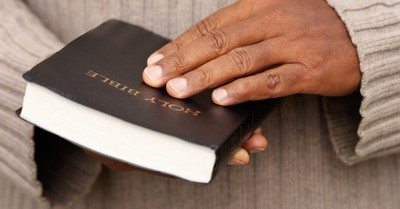
6 Clear Ways the Bible Teaches Us to Honor Freedom and Human Dignity

Carbonatix Pre-Player Loader

Audio By Carbonatix

Freedom and human dignity are ideas that people have fought for throughout history. They’re about how much value each person has and their right to live without being controlled or mistreated. The Bible has a lot to say about these important topics. While some parts of history have seen the Bible misused to justify terrible things like slavery, its core message actually emphasizes the importance of freedom and the God-given worth of every human being.

Let’s explore six lessons from Scripture about freedom and human dignity: 

1. Love for our neighbors is the foundation for both dignity and freedom (Matthew 22:37-40).

Loving our neighbors is at the heart of what the Bible teaches on human dignity and freedom. Jesus identified that as one of the two greatest commandments. In Matthew 22:37-40, Jesus says to a man who asked what commandment in God’s law is most important: “Jesus replied: ‘Love the Lord your God with all your heart and with all your soul and with all your mind.’ This is the first and greatest commandment. And the second is like it: ‘Love your neighbor as yourself.’ All the Law and the Prophets hang on these two commandments.”

If we truly love our neighbors as ourselves, we’ll naturally want them to live with freedom and dignity. Loving our neighbors involves working to make sure they’re treated fairly, that their rights are respected, and that they have opportunities to thrive. When we really love our neighbors, we stand up against injustice when we see it, we speak out against evil for those who can’t speak for themselves, and we help people in need. We can’t actually love our neighbors and do nothing to help them while they’re mistreated or denied their basic human rights. We also can’t limit this kind of love to those who look like us, think like us, or agree with us.

The Bible includes strangers, enemies, and people on the margins of society as our neighbors. No person is excluded from that. So, to act on Jesus’ call to love our neighbors as ourselves, we need to acknowledge every person’s inherent worth as a fellow human being created in God’s image. When we do so, we can help create societies where everyone can experience true freedom and live with dignity.

Photo Credit: ©Getty Images/pixelheadphoto 

2. We’re all created in God’s image (Genesis 1:26-27).

2. We’re all created in God’s image (Genesis 1:26-27).

The very beginning of the Bible, in the book of Genesis, tells us something wonderful: that humans are created in God’s own image. Genesis 1:26-27 reports: “Then God said, ‘Let us make mankind in our image, in our likeness, so that they may rule over the fish in the sea and the birds in the sky, over the livestock and all the wild animals, and over all the creatures that move along the ground.’ So God created mankind in his own image, in the image of God he created them; male and female he created them.”

Being created in God’s image means that we share some of God’s qualities. This includes the ability to think, reason, create, love, and make choices. It also means we have a spiritual nature. This is incredibly important because it gives every single person tremendous value. If you’re human, you carry the image of God, no matter what you look like, where you come from, how rich or poor you are, or what your abilities are. God loves all humans equally.

That’s the foundation for human dignity. If every person reflects God’s image, then every person deserves to be treated with respect and kindness. No one group of people is superior to another, and no people are inherently meant to be slaves or servants to others. Because we all are made in God’s image, we all have God-given worth that can’t be taken away by any human system or power. That should inspire us to treat others as we would want to be treated. As we do so, we’re respecting God, our mutual Heavenly Father.

Photo Credit: ©GettyImages/scyther5 

3. God wants freedom for his people (Exodus 3:7-8).

3. God wants freedom for his people (Exodus 3:7-8).

The Bible story of God freeing the Israelites from slavery in Egypt, which is part of the book of Exodus, shows God’s strong desire for his people to be free. For generations, the Israelites had been forced to work as slaves under the cruel rule of Egypt’s leader, Pharaoh. They were oppressed, their lives were hard, and they prayed to God for help. Exodus 3:7-8 tells us about God’s response: “The Lord said, ‘I have indeed seen the misery of my people in Egypt. I have heard them crying out because of their slave drivers, and I am concerned about their suffering. So I have come down to rescue them from the hand of the Egyptians and to bring them up out of that land into a good and spacious land, a land flowing with milk and honey…’”.

This passage clearly shows God’s compassion for those who are suffering and his commitment to setting them free. God sees their pain, hears their cries, and acts to release them from slavery and give them the chance to live as a free people, worshiping God without fear. The story of the Exodus is a powerful symbol of freedom. It teaches us that God cares a lot about people who are suffering from the sins of injustice and oppression. It also shows us that God works to bring about freedom for those who are enslaved. We can apply this today to any kind of enslavement we may experience – not just physically but also emotionally (such as in abusive relationships), mentally (such as dealing with addictions), or spiritually (such as going through oppression during spiritual warfare).

True worship and a just society can only thrive where people are free to make their own choices. The Exodus reminds us that God is a liberator, and he calls his followers to work for the freedom and well-being of all people. 

Photo Credit: ©GettyImages/Boonyachoat 

4. Justice and righteousness support human dignity (Deuteronomy 10:18-19).

4. Justice and righteousness support human dignity (Deuteronomy 10:18-19).

The Bible often talks about the importance of justice and righteousness. It describes God as a holy God who values justice and righteousness, and expects his people to reflect his character by living holy lives, including working for justice and righteousness in our fallen world. Deuteronomy 10:18-19 says of God: “He defends the cause of the fatherless and the widow, and loves the foreigner residing among you, giving them food and clothing. And you are to love those who are foreigners, for you yourselves were foreigners in Egypt.”

This passage emphasizes God’s concern for the most vulnerable members of society: the orphans, the widows, and the foreigners. These groups often had no one to protect them and were easily exploited. God’s work to defend their cause and to love them shows the importance of making sure that even those without power or social standing are treated justly. It also reminds the Israelites of their own history as foreigners and slaves in Egypt, which encourages them to have empathy and compassion for other people. True freedom involves living in a society where everyone is treated with respect and has their human rights protected.

Justice means making sure that everyone gets what is fair and right, especially when they’ve been wronged. Righteousness means living in a way that’s morally correct, in line with God’s commands. When a society values justice and righteousness, it creates an environment where human dignity can thrive. People are less likely to be abused, exploited, or discriminated against because there are systems in place to protect them. This lesson teaches us that working for justice and living with righteous principles are powerful ways to honor human dignity and create a truly free society for all people. 

Photo Credit: ©GettyImages/wildpixel 

5. It’s dangerous to misinterpret scripture to support slavery (Galatians 3:28).

5. It’s dangerous to misinterpret scripture to support slavery (Galatians 3:28).

It’s important to learn from a painful part of history: how the Bible was tragically misinterpreted and misused to support slavery in the United States. For centuries, slaveholders and those who profited from slavery twisted certain Bible verses to justify their actions, claiming that God approved of owning other human beings. They would often point to passages in the Old Testament that mentioned slavery or the rules surrounding it in ancient Israel, ignoring the context and the overall message of the Bible about human dignity and freedom.

One common argument was that the Bible allowed for slavery, and therefore, it was morally acceptable. However, this interpretation failed to understand the vast difference between the forms of slavery described in ancient Israel (which often involved temporary agreements to repay debts and wasn’t usually violent) and the lifelong slavery practiced in the United States, which brutally stripped people of their humanity and denied them any rights. The American system of slavery was based on race, treating Black people as property rather than as human beings. This was fundamentally opposed to the spirit of God’s law, which commands caring for vulnerable people rather than building toxic relationships like slavery does.

Also, U.S. slave owners often ignored or minimized powerful New Testament verses that promote equality and unity. Galatians 3:28 is a vital example: “There is neither Jew nor Gentile, neither slave nor free, nor is there male and female, for you are all one in Christ Jesus.” This verse points out the equal worth of all people in Christ. It directly challenges the idea that one person could ever rightfully own another. The misinterpretation of scripture to support slavery was a serious spiritual mistake that led to tremendous suffering. That highlights the danger of taking Bible verses out of context and twisting them to fit biases or economic interests.

When we read the Bible with an understanding of its themes of love, justice, and human dignity, we can see that its overall message stands strongly against the practice of slavery and any system that dehumanizes people. Recognizing this mistake from history is vital for us today to understand how important it is to interpret scripture carefully and apply it in ways that support freedom and dignity for all people. 

Photo Credit: ©Unsplash/blakecheekk 

6. True freedom comes through relationships with Jesus Christ (John 8:36).

6. True freedom comes through relationships with Jesus Christ (John 8:36).

While the Old Testament describes physical freedom and freedom from oppression, the New Testament covers the spiritual freedom all people can find in relationships with Jesus Christ. This is the ultimate freedom because it goes beyond political or social freedom and addresses the deepest needs of our human hearts. In John 8:36, Jesus declares: “So if the Son sets you free, you will be free indeed.”

This statement is wonderful! Jesus is speaking here about freedom that is possible in any kind of circumstances. Jesus is saying that we can be set free from the power of sin and its consequences. The Bible teaches that sin enslaves us, leading us to suffer guilt, shame, and broken relationships with God. This spiritual slavery affects our ability to make wise decisions that help us live our God-given purposes. Jesus, through his sacrifice on the cross, gives us a way to be forgiven for our sins and to be set free from their destructive power.

When we’re in relationships with Jesus, we’re no longer slaves to our desires or to this fallen world’s temptations. We’re no longer enslaved by guilt or the fear of judgment. Instead, we’re empowered to live new lives of hope and purpose. This spiritual freedom is the ultimate expression of human dignity because it restores our relationship with our Creator and allows us to live fully as the people God created us to be.

In conclusion, the Bible consistently teaches lessons about the importance of freedom and human dignity. It begins by declaring that all people are created in God’s image and consistently calls for us to live holy lives because our Heavenly Father is holy. An important part of doing so is working for freedom and human dignity, as God’s love flows through our lives while we walk day by day with Jesus.

Photo Credit: Pablo Heimplatz/Unsplash

 

Salem News Channel Today

Sponsored Links


September 26 - Phoenix, AZ
Scottsdale Center for the Performing Arts


November 2 - Detroit, MI
Zion Christian Church in Troy


October 6 - Los Angeles, CA
Pasadena Convention Center


November 5 - San Antonio, TX
Norris Centers – The Grand Red Oak Ballroom


October 8 - Sacramento, CA
William Jessup University


November 7 - Tampa, FL
The Palladium at St. Pete College


October 22 - Minneapolis, MN
Crowne Plaza AiRE


November 15 - San Francisco, CA
Fremont Marriott Silicon Valley


October 23 - Philadelphia, PA
Green Valley Country Club


November 16 - Denver, CO
CU South Denver - Formerly Wildlife Experience


November 2 - Chicago, IL
Chicago Westin Northwest in Itasca


November 21 - Cleveland, OH
Holiday Inn Rockside in Independence


Salem Radio Network Speakers

Larry Elder is an American lawyer, writer, and radio and television personality who calls himself the "Sage of South Central" a district of Los Angeles, Larry says his philosophy is to entertain, inform, provoke and to hopefully uplift. His calling card is "we have a country to save" and to him this means returning to the bedrock Constitutional principles of limited government and maximum personal responsibility. Elder's iconoclastic wit and intellectual agility makes him a particularly attractive voice in a nation that seems weary of traditional racial dialogue.” – Los Angeles Times.

Mike Gallagher Mike Gallagher began his broadcasting career in 1978 in Dayton, Ohio. Today, he is one of the most listened-to talk radio show hosts in America, recently having been ranked in the Talkers Magazine “Heavy Hundred” list – the 100 most important talk radio hosts in America. Prior to being launched into national syndication in 1998, Mike hosted the morning show on WABC-AM in New York City. Today, Talkers Magazine reports that his show is heard by over 3.75 million weekly listeners. Besides his radio work, Mike is seen on Fox News Channel as an on-air contributor, frequently appearing on the cable news giant.

Hugh Hewitt is one of the nation’s leading bloggers and a genuine media revolutionary. He brings that expertise, his wit and what The New Yorker magazine calls his “amiable but relentless manner” to his nationally syndicated show each day.

When Dr. Sebastian Gorka was growing up, he listened to talk radio under his pillow with a transistor radio, dreaming that one day he would be behind the microphone. Beginning New Year’s Day 2019, he got his wish. Gorka now hosts America First every weekday afternoon 3 to 6pm ET. Gorka’s unique story works well on the radio. He is national security analyst for the Fox News Channel and author of two books: "Why We Fight" and "Defeating Jihad." His latest book releasing this fall is “War For America’s Soul.” He is uniquely qualified to fight the culture war and stand up for what is great about America, his adopted home country.

Broadcasting from his home station of KRLA in Los Angeles, the Dennis Prager Show is heard across the country. Everything in life – from politics to religion to relationships – is grist for Dennis’ mill. If it’s interesting, if it affects your life, then Dennis will be talking about it – with passion, humor, insight and wisdom.

Sean Hannity is a conservative radio and television host, and one of the original primetime hosts on the Fox News Channel, where he has appeared since 1996. Sean Hannity began his radio career at a college station in California, before moving on to markets in the Southeast and New York. Today, he’s one of the most listened to on-air voices. Hannity’s radio program went into national syndication on September 10, 2001, and airs on more than 500 stations. Talkers Magazine estimates Hannity’s weekly radio audience at 13.5 million. In 1996 he was hired as one of the original hosts on Fox News Channel. As host of several popular Fox programs, Hannity has become the highest-paid news anchor on television.

Michelle Malkin is a mother, wife, blogger, conservative syndicated columnist, longtime cable TV news commentator, and best-selling author of six books. She started her newspaper journalism career at the Los Angeles Daily News in 1992, moved to the Seattle Times in 1995, and has been penning nationally syndicated newspaper columns for Creators Syndicate since 1999. She is founder of conservative Internet start-ups Hot Air and Twitchy.com. Malkin has received numerous awards for her investigative journalism, including the Council on Governmental Ethics Laws (COGEL) national award for outstanding service for the cause of governmental ethics and leadership (1998), the Reed Irvine Accuracy in Media Award for Investigative Journalism (2006), the Heritage Foundation and Franklin Center for Government & Public Integrity's Breitbart Award for Excellence in Journalism (2013), the Center for Immigration Studies' Eugene Katz Award for Excellence in the Coverage of Immigration Award (2016), and the Manhattan Film Festival's Film Heals Award (2018). Married for 26 years and the mother of two teenage children, she lives with her family in Colorado. Follow her at michellemalkin.com. (Photo reprinted with kind permission from Peter Duke Photography.)

Sponsored by:

6 Clear Ways the Bible Teaches Us to Honor Freedom and Human Dignity

Carbonatix Pre-Player Loader

Audio By Carbonatix

Freedom and human dignity are ideas that people have fought for throughout history. They’re about how much value each person has and their right to live without being controlled or mistreated. The Bible has a lot to say about these important topics. While some parts of history have seen the Bible misused to justify terrible things like slavery, its core message actually emphasizes the importance of freedom and the God-given worth of every human being.

Let’s explore six lessons from Scripture about freedom and human dignity: 

1. Love for our neighbors is the foundation for both dignity and freedom (Matthew 22:37-40).

Loving our neighbors is at the heart of what the Bible teaches on human dignity and freedom. Jesus identified that as one of the two greatest commandments. In Matthew 22:37-40, Jesus says to a man who asked what commandment in God’s law is most important: “Jesus replied: ‘Love the Lord your God with all your heart and with all your soul and with all your mind.’ This is the first and greatest commandment. And the second is like it: ‘Love your neighbor as yourself.’ All the Law and the Prophets hang on these two commandments.”

If we truly love our neighbors as ourselves, we’ll naturally want them to live with freedom and dignity. Loving our neighbors involves working to make sure they’re treated fairly, that their rights are respected, and that they have opportunities to thrive. When we really love our neighbors, we stand up against injustice when we see it, we speak out against evil for those who can’t speak for themselves, and we help people in need. We can’t actually love our neighbors and do nothing to help them while they’re mistreated or denied their basic human rights. We also can’t limit this kind of love to those who look like us, think like us, or agree with us.

The Bible includes strangers, enemies, and people on the margins of society as our neighbors. No person is excluded from that. So, to act on Jesus’ call to love our neighbors as ourselves, we need to acknowledge every person’s inherent worth as a fellow human being created in God’s image. When we do so, we can help create societies where everyone can experience true freedom and live with dignity.

Photo Credit: ©Getty Images/pixelheadphoto 

2. We’re all created in God’s image (Genesis 1:26-27).

2. We’re all created in God’s image (Genesis 1:26-27).

The very beginning of the Bible, in the book of Genesis, tells us something wonderful: that humans are created in God’s own image. Genesis 1:26-27 reports: “Then God said, ‘Let us make mankind in our image, in our likeness, so that they may rule over the fish in the sea and the birds in the sky, over the livestock and all the wild animals, and over all the creatures that move along the ground.’ So God created mankind in his own image, in the image of God he created them; male and female he created them.”

Being created in God’s image means that we share some of God’s qualities. This includes the ability to think, reason, create, love, and make choices. It also means we have a spiritual nature. This is incredibly important because it gives every single person tremendous value. If you’re human, you carry the image of God, no matter what you look like, where you come from, how rich or poor you are, or what your abilities are. God loves all humans equally.

That’s the foundation for human dignity. If every person reflects God’s image, then every person deserves to be treated with respect and kindness. No one group of people is superior to another, and no people are inherently meant to be slaves or servants to others. Because we all are made in God’s image, we all have God-given worth that can’t be taken away by any human system or power. That should inspire us to treat others as we would want to be treated. As we do so, we’re respecting God, our mutual Heavenly Father.

Photo Credit: ©GettyImages/scyther5 

3. God wants freedom for his people (Exodus 3:7-8).

3. God wants freedom for his people (Exodus 3:7-8).

The Bible story of God freeing the Israelites from slavery in Egypt, which is part of the book of Exodus, shows God’s strong desire for his people to be free. For generations, the Israelites had been forced to work as slaves under the cruel rule of Egypt’s leader, Pharaoh. They were oppressed, their lives were hard, and they prayed to God for help. Exodus 3:7-8 tells us about God’s response: “The Lord said, ‘I have indeed seen the misery of my people in Egypt. I have heard them crying out because of their slave drivers, and I am concerned about their suffering. So I have come down to rescue them from the hand of the Egyptians and to bring them up out of that land into a good and spacious land, a land flowing with milk and honey…’”.

This passage clearly shows God’s compassion for those who are suffering and his commitment to setting them free. God sees their pain, hears their cries, and acts to release them from slavery and give them the chance to live as a free people, worshiping God without fear. The story of the Exodus is a powerful symbol of freedom. It teaches us that God cares a lot about people who are suffering from the sins of injustice and oppression. It also shows us that God works to bring about freedom for those who are enslaved. We can apply this today to any kind of enslavement we may experience – not just physically but also emotionally (such as in abusive relationships), mentally (such as dealing with addictions), or spiritually (such as going through oppression during spiritual warfare).

True worship and a just society can only thrive where people are free to make their own choices. The Exodus reminds us that God is a liberator, and he calls his followers to work for the freedom and well-being of all people. 

Photo Credit: ©GettyImages/Boonyachoat 

4. Justice and righteousness support human dignity (Deuteronomy 10:18-19).

4. Justice and righteousness support human dignity (Deuteronomy 10:18-19).

The Bible often talks about the importance of justice and righteousness. It describes God as a holy God who values justice and righteousness, and expects his people to reflect his character by living holy lives, including working for justice and righteousness in our fallen world. Deuteronomy 10:18-19 says of God: “He defends the cause of the fatherless and the widow, and loves the foreigner residing among you, giving them food and clothing. And you are to love those who are foreigners, for you yourselves were foreigners in Egypt.”

This passage emphasizes God’s concern for the most vulnerable members of society: the orphans, the widows, and the foreigners. These groups often had no one to protect them and were easily exploited. God’s work to defend their cause and to love them shows the importance of making sure that even those without power or social standing are treated justly. It also reminds the Israelites of their own history as foreigners and slaves in Egypt, which encourages them to have empathy and compassion for other people. True freedom involves living in a society where everyone is treated with respect and has their human rights protected.

Justice means making sure that everyone gets what is fair and right, especially when they’ve been wronged. Righteousness means living in a way that’s morally correct, in line with God’s commands. When a society values justice and righteousness, it creates an environment where human dignity can thrive. People are less likely to be abused, exploited, or discriminated against because there are systems in place to protect them. This lesson teaches us that working for justice and living with righteous principles are powerful ways to honor human dignity and create a truly free society for all people. 

Photo Credit: ©GettyImages/wildpixel 

5. It’s dangerous to misinterpret scripture to support slavery (Galatians 3:28).

5. It’s dangerous to misinterpret scripture to support slavery (Galatians 3:28).

It’s important to learn from a painful part of history: how the Bible was tragically misinterpreted and misused to support slavery in the United States. For centuries, slaveholders and those who profited from slavery twisted certain Bible verses to justify their actions, claiming that God approved of owning other human beings. They would often point to passages in the Old Testament that mentioned slavery or the rules surrounding it in ancient Israel, ignoring the context and the overall message of the Bible about human dignity and freedom.

One common argument was that the Bible allowed for slavery, and therefore, it was morally acceptable. However, this interpretation failed to understand the vast difference between the forms of slavery described in ancient Israel (which often involved temporary agreements to repay debts and wasn’t usually violent) and the lifelong slavery practiced in the United States, which brutally stripped people of their humanity and denied them any rights. The American system of slavery was based on race, treating Black people as property rather than as human beings. This was fundamentally opposed to the spirit of God’s law, which commands caring for vulnerable people rather than building toxic relationships like slavery does.

Also, U.S. slave owners often ignored or minimized powerful New Testament verses that promote equality and unity. Galatians 3:28 is a vital example: “There is neither Jew nor Gentile, neither slave nor free, nor is there male and female, for you are all one in Christ Jesus.” This verse points out the equal worth of all people in Christ. It directly challenges the idea that one person could ever rightfully own another. The misinterpretation of scripture to support slavery was a serious spiritual mistake that led to tremendous suffering. That highlights the danger of taking Bible verses out of context and twisting them to fit biases or economic interests.

When we read the Bible with an understanding of its themes of love, justice, and human dignity, we can see that its overall message stands strongly against the practice of slavery and any system that dehumanizes people. Recognizing this mistake from history is vital for us today to understand how important it is to interpret scripture carefully and apply it in ways that support freedom and dignity for all people. 

Photo Credit: ©Unsplash/blakecheekk 

6. True freedom comes through relationships with Jesus Christ (John 8:36).

6. True freedom comes through relationships with Jesus Christ (John 8:36).

While the Old Testament describes physical freedom and freedom from oppression, the New Testament covers the spiritual freedom all people can find in relationships with Jesus Christ. This is the ultimate freedom because it goes beyond political or social freedom and addresses the deepest needs of our human hearts. In John 8:36, Jesus declares: “So if the Son sets you free, you will be free indeed.”

This statement is wonderful! Jesus is speaking here about freedom that is possible in any kind of circumstances. Jesus is saying that we can be set free from the power of sin and its consequences. The Bible teaches that sin enslaves us, leading us to suffer guilt, shame, and broken relationships with God. This spiritual slavery affects our ability to make wise decisions that help us live our God-given purposes. Jesus, through his sacrifice on the cross, gives us a way to be forgiven for our sins and to be set free from their destructive power.

When we’re in relationships with Jesus, we’re no longer slaves to our desires or to this fallen world’s temptations. We’re no longer enslaved by guilt or the fear of judgment. Instead, we’re empowered to live new lives of hope and purpose. This spiritual freedom is the ultimate expression of human dignity because it restores our relationship with our Creator and allows us to live fully as the people God created us to be.

In conclusion, the Bible consistently teaches lessons about the importance of freedom and human dignity. It begins by declaring that all people are created in God’s image and consistently calls for us to live holy lives because our Heavenly Father is holy. An important part of doing so is working for freedom and human dignity, as God’s love flows through our lives while we walk day by day with Jesus.

Photo Credit: Pablo Heimplatz/Unsplash

 

Salem News Channel Today

Sponsored Links

On Air & Up Next

See the Full Program Guide