What Happens to Us When We Refuse to Forgive

Carbonatix Pre-Player Loader

Audio By Carbonatix

Have you ever wondered why forgiveness feels so difficult, even when you genuinely want to let go and move forward? Whether you're struggling to forgive someone who deeply hurt you or wrestling with your own past mistakes, forgiveness often feels far easier to talk about than to practice.

Yet forgiveness is one of the most powerful gifts God offers us and asks us to extend to others. It has the potential to transform not only our spiritual lives but also our emotional, mental, and physical well-being. When we refuse to forgive (or when we cannot forgive ourselves) we often remain tethered to pain, shame, resentment, and regret.

The good news is that both Scripture and neuroscience point to the same truth: forgiveness brings freedom.

Why Forgiveness Is So Difficult

If forgiveness feels impossible, there is a reason.

From a neuroscience perspective, emotional wounds activate the brain's threat-detection system. When we've been betrayed, rejected, abused, or deeply disappointed, the brain often interprets those experiences as ongoing threats. The amygdala, which helps us recognize danger, becomes highly active and can keep us replaying painful memories long after the event has passed.

As a result, we may find ourselves trapped in cycles of anger, bitterness, shame, or self-condemnation. The longer those patterns continue, the more they can affect our mental health, contributing to anxiety, depression, chronic stress, and even physical symptoms.

But God created our brains with remarkable adaptability.

Research on neuroplasticity shows that our brains can form new pathways throughout life. As we intentionally practice forgiveness, the brain begins to shift away from fear-based responses and toward greater emotional regulation, empathy, and peace. In other words, forgiveness doesn't just change your heart, it can also change your brain.

What the Bible Teaches About Forgiveness

Forgiveness is woven throughout the entire story of Scripture.

In Ephesians 4:31-32, Paul writes:

"Let all bitterness and wrath and anger and clamor and slander be put away from you, along with all malice. Be kind to one another, tenderhearted, forgiving one another, as God in Christ forgave you."

Notice God's instruction isn't simply about benefiting the person who hurt us. Forgiveness frees us from carrying the heavy burden of bitterness.

I've experienced this personally.

Years ago, I found myself drowning in guilt, shame, and regret over mistakes I had made. During a conversation with a trusted mentor, she lovingly challenged me with words I've never forgotten:

"Michelle, why are you so hard on yourself? There is nothing you've done that God cannot forgive. When you refuse to forgive yourself, you're acting as though Christ's sacrifice wasn't enough."

Her words stopped me in my tracks.

Many of us readily accept God's forgiveness intellectually, yet struggle to extend that same grace to ourselves.

Why Self-Forgiveness Can Feel Even Harder

For many people, forgiving themselves is more difficult than forgiving someone else.

We replay our failures. We criticize ourselves. We revisit conversations and decisions we wish we could undo. Over time, regret can become part of our identity rather than simply something we experienced.

But that was never God's intention.

First John 1:9 reminds us: "If we confess our sins, he is faithful and just to forgive us our sins and to cleanse us from all unrighteousness."

Notice that God doesn't forgive reluctantly. He forgives faithfully.

Likewise, Psalm 103:12 offers this beautiful promise: "As far as the east is from the west, so far does he remove our transgressions from us."

If God has chosen to remove our sins and extend grace, continuing to punish ourselves keeps us living in a prison Christ already unlocked. Self-forgiveness is not pretending our mistakes didn't matter. It's accepting that God's grace is greater than our failures.

The Hidden Cost of Unforgiveness

Many people underestimate the impact unforgiveness has on their overall health.

When resentment, bitterness, shame, and unresolved anger remain unaddressed, they often create chronic emotional stress. Elevated stress hormones can affect sleep, immune function, blood pressure, relationships, and overall emotional resilience.

Spiritually, unforgiveness can create distance between us and the peace God desires for us to experience.

The longer we cling to an offense, whether against someone else or ourselves, the heavier the burden becomes.

Forgiveness doesn't erase the memory of what happened. It releases its power to control your life.

When Forgiveness Feels Impossible

Some wounds run deep.

Perhaps someone violated your trust. Maybe you've experienced abuse, abandonment, betrayal, or devastating loss. Or perhaps you're haunted by choices you made years ago.

In situations like these, forgiveness often feels beyond reach.

That's why it's important to remember forgiveness is not primarily a feeling; it's a decision empowered by God's grace.

Colossians 3:13 says: "Bear with each other and forgive one another if any of you has a grievance against someone. Forgive as the Lord forgave you."

This doesn't mean forgiveness happens instantly. Often, forgiveness is a process that unfolds over time. Some days, you may need to choose forgiveness repeatedly.

The encouraging truth is found in Matthew 19:26: "With man this is impossible, but with God all things are possible."

When you cannot forgive in your own strength, God will provide the strength you need.

6 Practical Steps toward Forgiveness and Healing

1. Be Honest about the Hurt

Healing begins with honesty. Ignoring pain doesn't make it disappear.

Name what happened. Acknowledge the loss. Bring your wounded heart before God.

"The Lord is near to the brokenhearted and saves the crushed in spirit." (Psalm 34:18)

2. Invite God into the Process

Forgiveness is often a supernatural act.

Pray honestly about your struggle. Tell God where you're angry, hurt, confused, or disappointed. Ask Him to soften your heart and help you take the next step.

3. Separate Forgiveness from Excusing Wrong Behavior

Forgiveness does not mean what happened was acceptable.

You can forgive someone while still maintaining healthy boundaries. Forgiveness releases the offense; it doesn't necessarily automatically restore trust.

4. Practice Compassion and Empathy

Research shows empathy can reduce anger and increase emotional healing.

Understanding someone's brokenness doesn't excuse their actions, but it can help loosen resentment's grip on your heart.

5. Choose Release Before You Feel It

One of the biggest misconceptions about forgiveness is that you must feel forgiving first.

Often, feelings follow obedience.

Make the intentional decision to place the offense in God's hands, trusting Him to bring justice and healing.

6. Renew Your Mind with God's Truth

Our thoughts shape our emotions.

Replace messages of shame, bitterness, and condemnation with God's promises of grace, mercy, and redemption. Spending time in Scripture helps retrain both the mind and the heart.

As Romans 12:2 reminds us, we are transformed through the renewing of our minds.

Freedom Is Waiting on the Other Side

Who comes to mind when you think about forgiveness today?

Perhaps it's someone who hurt you deeply. Perhaps it's yourself.

Whatever your situation, remember this: forgiveness is not about pretending the pain never happened. It's about refusing to let that pain define your future.

God never intended for you to carry the weight of bitterness, resentment, guilt, or shame forever. Through Christ, freedom is available.

Take one step today. Bring your hurt to God. Surrender the offense. Receive His grace.

Because forgiveness isn't merely setting someone else free.

Often, it's the key that unlocks your own healing.

Hope Prevails,

Dr. Michelle Bengtson

Want More from Dr. B? Check Out Her Episode on This Topic: The Role of Forgiveness in Healing the Brain and Heart

If you’ve ever struggled with forgiveness—whether that’s forgiving others, forgiving yourself, or even struggling with feeling forgiven by God—then this episode is for you.If you like what you hear, follow Your Hope-Filled Perspective on Apple or Spotify so you never miss an episode! 

Photo Credit: ©iStock/Getty Images Plus/fizkes
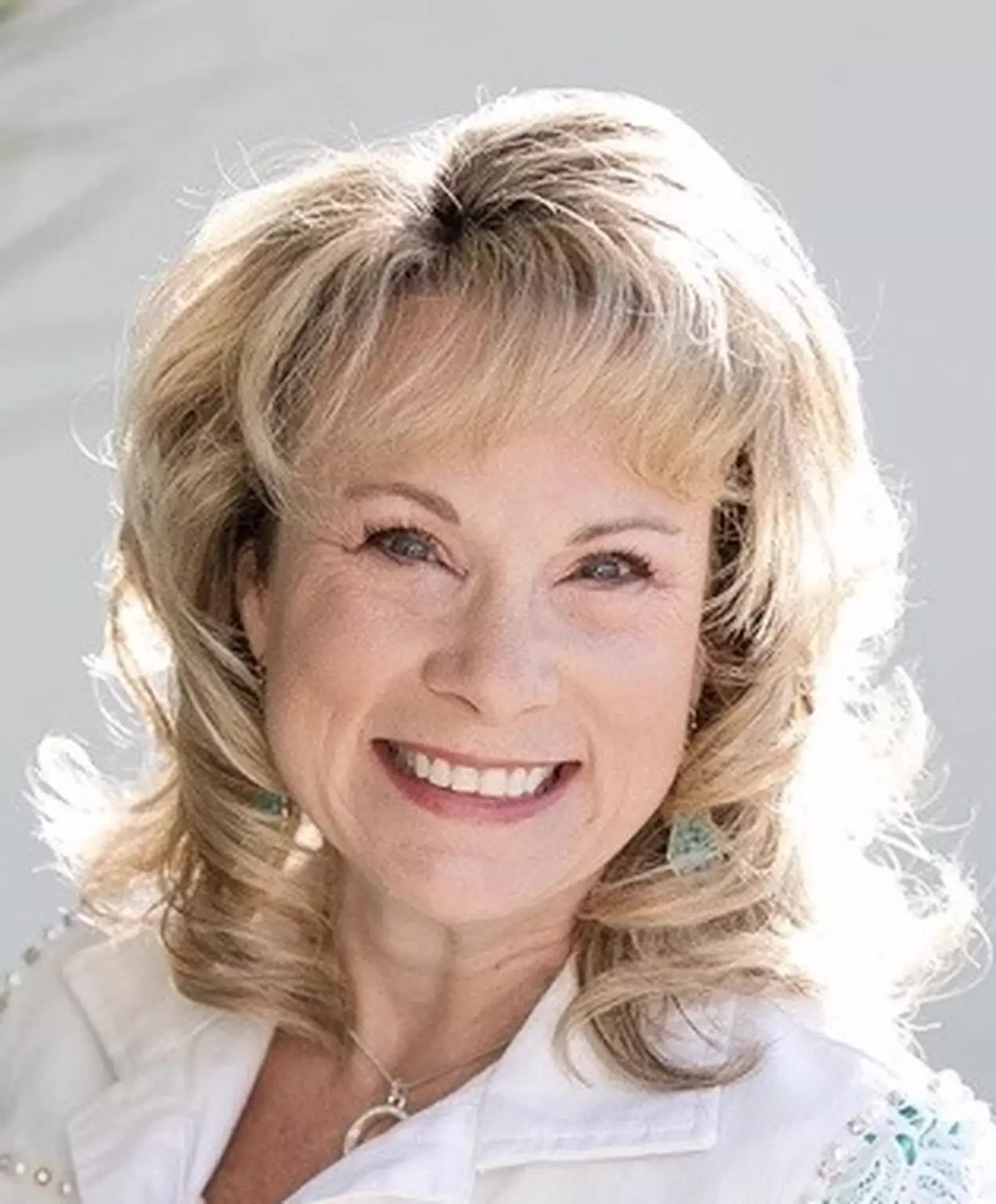

headshot of Dr. Michelle Bengtson, authorDr. Michelle Bengtson is a hope concierge! She helps people untangle anxiety, trauma, shame, and discouragement through neuroscience and faith. She reminds the amygdala that it is not the Holy Spirit and perfectionism that it is not a spiritual gift. Her passion is to share hope and encouragement with otherswhether as a board-certified clinical neuropsychologist, host of the award-winning podcast Your Hope Filled Perspective, or the author of several award-winning books including Hope Prevails: Insights from a Doctor’s Personal Journey Through Depression, Breaking Anxiety’s Grip, Today is Going to be a Good Day: 90 Promises from God to Start Your Day Off Rightand The Hem of His Garment. Her newest release is Sacred Scars: Resting in God’s Promise That Your Past is Not Wasted. You can find her and her many hope-filled resources at DrMichelleB.com.


 

Salem News Channel Today

Sponsored Links


September 26 - Phoenix, AZ
Scottsdale Center for the Performing Arts


November 2 - Detroit, MI
Zion Christian Church in Troy


October 6 - Los Angeles, CA
Pasadena Convention Center


November 5 - San Antonio, TX
Norris Centers – The Grand Red Oak Ballroom


October 8 - Sacramento, CA
William Jessup University


November 7 - Tampa, FL
The Palladium at St. Pete College


October 22 - Minneapolis, MN
Crowne Plaza AiRE


November 15 - San Francisco, CA
Fremont Marriott Silicon Valley


October 23 - Philadelphia, PA
Green Valley Country Club


November 16 - Denver, CO
CU South Denver - Formerly Wildlife Experience


November 2 - Chicago, IL
Chicago Westin Northwest in Itasca


November 21 - Cleveland, OH
Holiday Inn Rockside in Independence


Salem Radio Network Speakers

Larry Elder is an American lawyer, writer, and radio and television personality who calls himself the "Sage of South Central" a district of Los Angeles, Larry says his philosophy is to entertain, inform, provoke and to hopefully uplift. His calling card is "we have a country to save" and to him this means returning to the bedrock Constitutional principles of limited government and maximum personal responsibility. Elder's iconoclastic wit and intellectual agility makes him a particularly attractive voice in a nation that seems weary of traditional racial dialogue.” – Los Angeles Times.

Mike Gallagher Mike Gallagher began his broadcasting career in 1978 in Dayton, Ohio. Today, he is one of the most listened-to talk radio show hosts in America, recently having been ranked in the Talkers Magazine “Heavy Hundred” list – the 100 most important talk radio hosts in America. Prior to being launched into national syndication in 1998, Mike hosted the morning show on WABC-AM in New York City. Today, Talkers Magazine reports that his show is heard by over 3.75 million weekly listeners. Besides his radio work, Mike is seen on Fox News Channel as an on-air contributor, frequently appearing on the cable news giant.

Hugh Hewitt is one of the nation’s leading bloggers and a genuine media revolutionary. He brings that expertise, his wit and what The New Yorker magazine calls his “amiable but relentless manner” to his nationally syndicated show each day.

When Dr. Sebastian Gorka was growing up, he listened to talk radio under his pillow with a transistor radio, dreaming that one day he would be behind the microphone. Beginning New Year’s Day 2019, he got his wish. Gorka now hosts America First every weekday afternoon 3 to 6pm ET. Gorka’s unique story works well on the radio. He is national security analyst for the Fox News Channel and author of two books: "Why We Fight" and "Defeating Jihad." His latest book releasing this fall is “War For America’s Soul.” He is uniquely qualified to fight the culture war and stand up for what is great about America, his adopted home country.

Broadcasting from his home station of KRLA in Los Angeles, the Dennis Prager Show is heard across the country. Everything in life – from politics to religion to relationships – is grist for Dennis’ mill. If it’s interesting, if it affects your life, then Dennis will be talking about it – with passion, humor, insight and wisdom.

Sean Hannity is a conservative radio and television host, and one of the original primetime hosts on the Fox News Channel, where he has appeared since 1996. Sean Hannity began his radio career at a college station in California, before moving on to markets in the Southeast and New York. Today, he’s one of the most listened to on-air voices. Hannity’s radio program went into national syndication on September 10, 2001, and airs on more than 500 stations. Talkers Magazine estimates Hannity’s weekly radio audience at 13.5 million. In 1996 he was hired as one of the original hosts on Fox News Channel. As host of several popular Fox programs, Hannity has become the highest-paid news anchor on television.

Michelle Malkin is a mother, wife, blogger, conservative syndicated columnist, longtime cable TV news commentator, and best-selling author of six books. She started her newspaper journalism career at the Los Angeles Daily News in 1992, moved to the Seattle Times in 1995, and has been penning nationally syndicated newspaper columns for Creators Syndicate since 1999. She is founder of conservative Internet start-ups Hot Air and Twitchy.com. Malkin has received numerous awards for her investigative journalism, including the Council on Governmental Ethics Laws (COGEL) national award for outstanding service for the cause of governmental ethics and leadership (1998), the Reed Irvine Accuracy in Media Award for Investigative Journalism (2006), the Heritage Foundation and Franklin Center for Government & Public Integrity's Breitbart Award for Excellence in Journalism (2013), the Center for Immigration Studies' Eugene Katz Award for Excellence in the Coverage of Immigration Award (2016), and the Manhattan Film Festival's Film Heals Award (2018). Married for 26 years and the mother of two teenage children, she lives with her family in Colorado. Follow her at michellemalkin.com. (Photo reprinted with kind permission from Peter Duke Photography.)

Sponsored by:

What Happens to Us When We Refuse to Forgive

Carbonatix Pre-Player Loader

Audio By Carbonatix

Have you ever wondered why forgiveness feels so difficult, even when you genuinely want to let go and move forward? Whether you're struggling to forgive someone who deeply hurt you or wrestling with your own past mistakes, forgiveness often feels far easier to talk about than to practice.

Yet forgiveness is one of the most powerful gifts God offers us and asks us to extend to others. It has the potential to transform not only our spiritual lives but also our emotional, mental, and physical well-being. When we refuse to forgive (or when we cannot forgive ourselves) we often remain tethered to pain, shame, resentment, and regret.

The good news is that both Scripture and neuroscience point to the same truth: forgiveness brings freedom.

Why Forgiveness Is So Difficult

If forgiveness feels impossible, there is a reason.

From a neuroscience perspective, emotional wounds activate the brain's threat-detection system. When we've been betrayed, rejected, abused, or deeply disappointed, the brain often interprets those experiences as ongoing threats. The amygdala, which helps us recognize danger, becomes highly active and can keep us replaying painful memories long after the event has passed.

As a result, we may find ourselves trapped in cycles of anger, bitterness, shame, or self-condemnation. The longer those patterns continue, the more they can affect our mental health, contributing to anxiety, depression, chronic stress, and even physical symptoms.

But God created our brains with remarkable adaptability.

Research on neuroplasticity shows that our brains can form new pathways throughout life. As we intentionally practice forgiveness, the brain begins to shift away from fear-based responses and toward greater emotional regulation, empathy, and peace. In other words, forgiveness doesn't just change your heart, it can also change your brain.

What the Bible Teaches About Forgiveness

Forgiveness is woven throughout the entire story of Scripture.

In Ephesians 4:31-32, Paul writes:

"Let all bitterness and wrath and anger and clamor and slander be put away from you, along with all malice. Be kind to one another, tenderhearted, forgiving one another, as God in Christ forgave you."

Notice God's instruction isn't simply about benefiting the person who hurt us. Forgiveness frees us from carrying the heavy burden of bitterness.

I've experienced this personally.

Years ago, I found myself drowning in guilt, shame, and regret over mistakes I had made. During a conversation with a trusted mentor, she lovingly challenged me with words I've never forgotten:

"Michelle, why are you so hard on yourself? There is nothing you've done that God cannot forgive. When you refuse to forgive yourself, you're acting as though Christ's sacrifice wasn't enough."

Her words stopped me in my tracks.

Many of us readily accept God's forgiveness intellectually, yet struggle to extend that same grace to ourselves.

Why Self-Forgiveness Can Feel Even Harder

For many people, forgiving themselves is more difficult than forgiving someone else.

We replay our failures. We criticize ourselves. We revisit conversations and decisions we wish we could undo. Over time, regret can become part of our identity rather than simply something we experienced.

But that was never God's intention.

First John 1:9 reminds us: "If we confess our sins, he is faithful and just to forgive us our sins and to cleanse us from all unrighteousness."

Notice that God doesn't forgive reluctantly. He forgives faithfully.

Likewise, Psalm 103:12 offers this beautiful promise: "As far as the east is from the west, so far does he remove our transgressions from us."

If God has chosen to remove our sins and extend grace, continuing to punish ourselves keeps us living in a prison Christ already unlocked. Self-forgiveness is not pretending our mistakes didn't matter. It's accepting that God's grace is greater than our failures.

The Hidden Cost of Unforgiveness

Many people underestimate the impact unforgiveness has on their overall health.

When resentment, bitterness, shame, and unresolved anger remain unaddressed, they often create chronic emotional stress. Elevated stress hormones can affect sleep, immune function, blood pressure, relationships, and overall emotional resilience.

Spiritually, unforgiveness can create distance between us and the peace God desires for us to experience.

The longer we cling to an offense, whether against someone else or ourselves, the heavier the burden becomes.

Forgiveness doesn't erase the memory of what happened. It releases its power to control your life.

When Forgiveness Feels Impossible

Some wounds run deep.

Perhaps someone violated your trust. Maybe you've experienced abuse, abandonment, betrayal, or devastating loss. Or perhaps you're haunted by choices you made years ago.

In situations like these, forgiveness often feels beyond reach.

That's why it's important to remember forgiveness is not primarily a feeling; it's a decision empowered by God's grace.

Colossians 3:13 says: "Bear with each other and forgive one another if any of you has a grievance against someone. Forgive as the Lord forgave you."

This doesn't mean forgiveness happens instantly. Often, forgiveness is a process that unfolds over time. Some days, you may need to choose forgiveness repeatedly.

The encouraging truth is found in Matthew 19:26: "With man this is impossible, but with God all things are possible."

When you cannot forgive in your own strength, God will provide the strength you need.

6 Practical Steps toward Forgiveness and Healing

1. Be Honest about the Hurt

Healing begins with honesty. Ignoring pain doesn't make it disappear.

Name what happened. Acknowledge the loss. Bring your wounded heart before God.

"The Lord is near to the brokenhearted and saves the crushed in spirit." (Psalm 34:18)

2. Invite God into the Process

Forgiveness is often a supernatural act.

Pray honestly about your struggle. Tell God where you're angry, hurt, confused, or disappointed. Ask Him to soften your heart and help you take the next step.

3. Separate Forgiveness from Excusing Wrong Behavior

Forgiveness does not mean what happened was acceptable.

You can forgive someone while still maintaining healthy boundaries. Forgiveness releases the offense; it doesn't necessarily automatically restore trust.

4. Practice Compassion and Empathy

Research shows empathy can reduce anger and increase emotional healing.

Understanding someone's brokenness doesn't excuse their actions, but it can help loosen resentment's grip on your heart.

5. Choose Release Before You Feel It

One of the biggest misconceptions about forgiveness is that you must feel forgiving first.

Often, feelings follow obedience.

Make the intentional decision to place the offense in God's hands, trusting Him to bring justice and healing.

6. Renew Your Mind with God's Truth

Our thoughts shape our emotions.

Replace messages of shame, bitterness, and condemnation with God's promises of grace, mercy, and redemption. Spending time in Scripture helps retrain both the mind and the heart.

As Romans 12:2 reminds us, we are transformed through the renewing of our minds.

Freedom Is Waiting on the Other Side

Who comes to mind when you think about forgiveness today?

Perhaps it's someone who hurt you deeply. Perhaps it's yourself.

Whatever your situation, remember this: forgiveness is not about pretending the pain never happened. It's about refusing to let that pain define your future.

God never intended for you to carry the weight of bitterness, resentment, guilt, or shame forever. Through Christ, freedom is available.

Take one step today. Bring your hurt to God. Surrender the offense. Receive His grace.

Because forgiveness isn't merely setting someone else free.

Often, it's the key that unlocks your own healing.

Hope Prevails,

Dr. Michelle Bengtson

Want More from Dr. B? Check Out Her Episode on This Topic: The Role of Forgiveness in Healing the Brain and Heart

If you’ve ever struggled with forgiveness—whether that’s forgiving others, forgiving yourself, or even struggling with feeling forgiven by God—then this episode is for you.If you like what you hear, follow Your Hope-Filled Perspective on Apple or Spotify so you never miss an episode! 

Photo Credit: ©iStock/Getty Images Plus/fizkes


headshot of Dr. Michelle Bengtson, authorDr. Michelle Bengtson is a hope concierge! She helps people untangle anxiety, trauma, shame, and discouragement through neuroscience and faith. She reminds the amygdala that it is not the Holy Spirit and perfectionism that it is not a spiritual gift. Her passion is to share hope and encouragement with otherswhether as a board-certified clinical neuropsychologist, host of the award-winning podcast Your Hope Filled Perspective, or the author of several award-winning books including Hope Prevails: Insights from a Doctor’s Personal Journey Through Depression, Breaking Anxiety’s Grip, Today is Going to be a Good Day: 90 Promises from God to Start Your Day Off Rightand The Hem of His Garment. Her newest release is Sacred Scars: Resting in God’s Promise That Your Past is Not Wasted. You can find her and her many hope-filled resources at DrMichelleB.com.

 

Salem News Channel Today

Sponsored Links

On Air & Up Next

See the Full Program Guide






















