How to pick bedroom paint colors to suit your sensibility

Carbonatix Pre-Player Loader

Audio By Carbonatix

How to pick bedroom paint colors to suit your sensibility

What if your bedroom walls could help you sleep better, think more clearly or even wake up happier? Color psychology plays a significant role in how we experience a space, and in the bedroom, paint color can influence everything from relaxation to focus. Choosing the right paint color depends on the mood you want to cultivate, and understanding how different shades affect the brain can help you create a bedroom that aligns with your needs. But how do you know which colors will actually support the vibe you're going for? Naturepedic explains

Why Color Matters in the Bedroom

Color psychology explores how different hues can influence our behavior, mood and mental clarity – a concept supported by over 128 years of psychological theory and research. Studies have shown that certain colors can affect heart rate, stress levels and cognitive performance, which makes them especially important in spaces like the bedroom, where these factors can all influence the quality of rest. Because the bedroom is where we sleep, wake and recharge, choosing a paint color that aligns with these activities can support and enhance them. Sure, choosing the right wall color in your bedroom seems like it’s just aesthetics, but it can truly affect your well-being.

Calming Colors for Better Sleep

Certain hues can help calm the nervous system, reduce stress and cue the brain for sleep. Here are a few.

A collage showing varied colors of blues, sage, and warm neutrals as a visual board for calming colors.
Naturepedic


Soft blues

Consistently ranked as the most calming color, blue tones have been linked to lowered heart rate, reduced blood pressure and a greater sense of mental clarity. For this reason, soft blues are a classic choice for creating a peaceful environment in the bedroom. Lighter shades like powder blue, mist or robin’s egg can lend a clean, calm, airy feel to the space. These soothing bedroom paint colors work especially well in rooms that get a lot of natural light, where they can reflect sunlight throughout the day. Paired with natural materials like organic cotton bedding, blue walls can cultivate a tranquil space that’s just right for rest and relaxation.

Sage green

Sage green is a versatile, earthy hue that brings a subtle connection to the natural world indoors. Its gray-green base makes it soft enough to act as a neutral that doesn’t overpower the room, while still adding color and character to your walls. This makes it a great option for those looking to introduce some color without straying too far from a minimalist palette. If your goal is to design a nature-inspired space or you simply want your room to feel grounded and harmonious, sage offers just the right amount of color and calm.

Warm neutrals

Warm neutrals like ivory, sand, oatmeal and taupe offer a timeless, easygoing canvas for your bedroom. These hues don’t demand attention, but that’s exactly what makes them so effective at bestowing a sense of calm. Warm neutrals adapt beautifully in a variety of design styles, including rustic, modern, coastal and Scandinavian. Thanks to their neutrality, these warm hues help create an understated, welcoming bedroom that feels effortlessly comfortable and naturally restful.

Energizing Colors to Wake Up Happy

Your bedroom doesn’t have to be all about winding down — it's also where you start each day. If you're looking to bring a bit of lightness and energy to your mornings, try these colors.

A collage showing varied colors of yellows, corals, and clay as a visual board for energizing colors.
Naturepedic


Sun-kissed yellows

Shades of yellow, especially those on the softer, warmer end of the spectrum, can add a cheerful glow to your bedroom. Think buttercream, golden straw or muted ochre — colors that offer warmth without being too bold. Used across an entire room or even just one focal wall, these shades can make the room feel brighter and more inviting. Pair with neutral textiles and organic textures for a grounded, natural look that still radiates energy.

Peach or coral accents

Peach and coral come in warm, approachable shades that can add a gentle liveliness to your bedroom walls. These colors work especially well in rooms with lots of natural light, where they pick up the sun's warm rays throughout the day. Consider a soft peach for all four walls of color or a slightly stronger coral for an accent wall. Both options bring a playful, yet polished feel — ideal for balancing rest at night with a spark of joy in the morning.

Light terracotta or clay

For something earthy yet vibrant, try painting your walls in a pale terracotta or soft clay tone. These grounded colors add depth and character without overpowering the space. They pair beautifully with natural elements like wood furniture, linen bedding and woven rugs, creating a warm and sun-washed atmosphere that still feels restful. Terracotta walls can also give your bedroom a distinctive, collected feel that works across many design styles while offering a happy wake-up in the mornings.

Romantic Colors for Cozy Nights

If you’re creating a romantic space, the wall color you choose can help set the tone. These soft, rich hues invite a sense of intimacy to enhance the mood of your room.
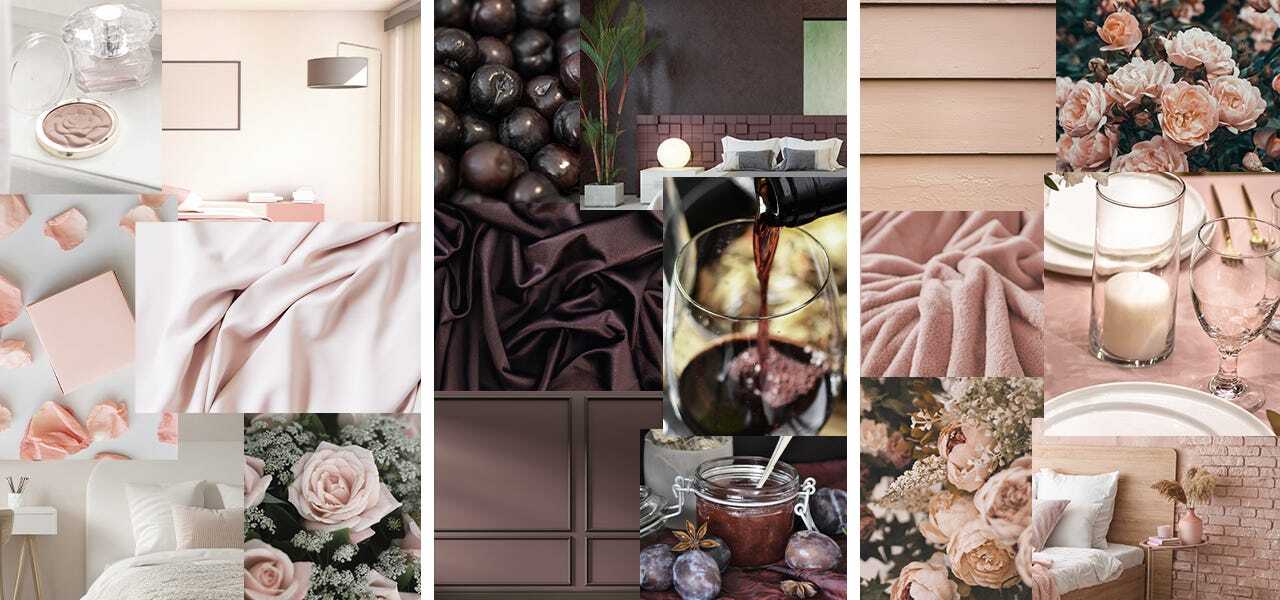
A collage showing varied colors of pinks, deep plum, and rose tones as a visual board for romantic colors.
Naturepedic


Blush pink

Blush pink is soft, soothing and effortlessly timeless on bedroom walls. It adds a hint of color without overwhelming a space, making it an ideal choice for those who want a palette that feels warm and gentle. Paired with creamy whites, brushed brass or soft gray linens, blush walls can offer a versatile backdrop that lends itself to a cozy, layered bedroom environment ready for an evening of romance.

Deep plum or burgundy

If you prefer something moodier and more dramatic, consider a deep plum or burgundy. These rich hues create a sense of depth and character, enveloping the room in a cocoon-like feel that’s especially appealing in the evening hours. They also bring an elegant, grounded quality to the space and pair well with darker woods, velvet accents or candlelit lighting.

Warm rose tones

A warm rose — somewhere between pink and terracotta — adds romantic warmth without leaning too sweet or too stark. When used on all four walls or as an accent wall behind the bed, this color can create a soft, inviting canvas that works beautifully with natural textures and cozy details. Warm rose tones feel both modern and nostalgic, making them a lovely fit for bedrooms that blend comfort with charm — and create an atmosphere perfect for cuddling.

Focus-Friendly Colors for a Multi-Use Bedroom

Sometimes bedrooms must serve more than one role: part sleep space, part workspace, part anything-in-between. If your bedroom doubles as a home office, reading nook or creative studio, choosing a paint color that helps support both focus and relaxation is key — try these.

A collage showing varied colors of teals, grays, and greige as a visual board for focus-friendly colors.
Naturepedic


Muted teal or blue-green

Painting your bedroom walls in a soft teal or blue-green can create a fresh and balanced atmosphere. These dual-toned hues bring rich color to the space without being overly stimulating, which makes them ideal for rooms that require both clarity and calm. Muted teals work well with natural materials like rattan, walnut or wool, and provide a lovely contrast to neutral bedding and soft lighting.

Slate gray

Slate gray makes for a sophisticated, grounding wall color that adapts beautifully to a wide range of styles. It's clean and modern, yet still warm enough to feel cozy, especially when softened with texture — like cotton drapes or a wool area rug. A slate-gray bedroom offers a stylish, uncluttered backdrop that supports focus and rest.

Warm greige

A mix of beige and gray, warm greige is a quietly refined option for bedroom walls. Its soft, warm undertones create a sense of calm while offering enough neutrality to work with nearly any design scheme. Plus, it isn’t a color too rich to be distracting while trying to focus on your work. Greige walls can tie a space together while allowing your decor and personal touches to shine in both minimalist and maximalist spaces.

Tips for Choosing the Right Shade

Choosing the perfect paint color isn’t just about the shade itself, it’s also about how it lives in your space. Several factors can influence how a color looks and feels once it’s on your walls, and you don’t want to go through the work of getting the color up without it being the right one.

  • Check natural light: North-facing rooms need richer tones and south-facing spaces can use cooler shades.
  • Test samples: Try swatches at different times of day and with different lighting. The same color can look completely different depending on the light in the room.
  • Consider ceiling, trim and textiles: The subtle, often neutral tones from these elements frame your walls and impact mood, too.
  • Use low‑VOC paint: Especially important for sensitive sleepers — less off‑gassing means cleaner air.
  • Style supports mood: Paint sets the tone, but textiles, plants, lighting and art bring it home.

There’s no universal list of best bedroom colors — it’s about finding what best suits your personal rhythms, lifestyle and taste. Use color psychology as a guide, not a rule, and remember: Even small shifts in color can significantly change how a room feels.

By taking the time to test, observe and consider all elements of your room, you’ll be better equipped to choose a shade that truly supports your desired mood. A thoughtful approach, paired with healthy, low-VOC paint, can help you create a bedroom that not only looks beautiful but feels just right.

This story was produced by Naturepedic and reviewed and distributed by Stacker.

 

Salem News Channel Today

Sponsored Links


September 26 - Phoenix, AZ
Scottsdale Center for the Performing Arts


November 2 - Detroit, MI
Zion Christian Church in Troy


October 6 - Los Angeles, CA
Pasadena Convention Center


November 5 - San Antonio, TX
Norris Centers – The Grand Red Oak Ballroom


October 8 - Sacramento, CA
William Jessup University


November 7 - Tampa, FL
The Palladium at St. Pete College


October 22 - Minneapolis, MN
Crowne Plaza AiRE


November 15 - San Francisco, CA
Fremont Marriott Silicon Valley


October 23 - Philadelphia, PA
Green Valley Country Club


November 16 - Denver, CO
CU South Denver - Formerly Wildlife Experience


November 2 - Chicago, IL
Chicago Westin Northwest in Itasca


November 21 - Cleveland, OH
Holiday Inn Rockside in Independence


Salem Radio Network Speakers

Larry Elder is an American lawyer, writer, and radio and television personality who calls himself the "Sage of South Central" a district of Los Angeles, Larry says his philosophy is to entertain, inform, provoke and to hopefully uplift. His calling card is "we have a country to save" and to him this means returning to the bedrock Constitutional principles of limited government and maximum personal responsibility. Elder's iconoclastic wit and intellectual agility makes him a particularly attractive voice in a nation that seems weary of traditional racial dialogue.” – Los Angeles Times.

Mike Gallagher Mike Gallagher began his broadcasting career in 1978 in Dayton, Ohio. Today, he is one of the most listened-to talk radio show hosts in America, recently having been ranked in the Talkers Magazine “Heavy Hundred” list – the 100 most important talk radio hosts in America. Prior to being launched into national syndication in 1998, Mike hosted the morning show on WABC-AM in New York City. Today, Talkers Magazine reports that his show is heard by over 3.75 million weekly listeners. Besides his radio work, Mike is seen on Fox News Channel as an on-air contributor, frequently appearing on the cable news giant.

Hugh Hewitt is one of the nation’s leading bloggers and a genuine media revolutionary. He brings that expertise, his wit and what The New Yorker magazine calls his “amiable but relentless manner” to his nationally syndicated show each day.

When Dr. Sebastian Gorka was growing up, he listened to talk radio under his pillow with a transistor radio, dreaming that one day he would be behind the microphone. Beginning New Year’s Day 2019, he got his wish. Gorka now hosts America First every weekday afternoon 3 to 6pm ET. Gorka’s unique story works well on the radio. He is national security analyst for the Fox News Channel and author of two books: "Why We Fight" and "Defeating Jihad." His latest book releasing this fall is “War For America’s Soul.” He is uniquely qualified to fight the culture war and stand up for what is great about America, his adopted home country.

Broadcasting from his home station of KRLA in Los Angeles, the Dennis Prager Show is heard across the country. Everything in life – from politics to religion to relationships – is grist for Dennis’ mill. If it’s interesting, if it affects your life, then Dennis will be talking about it – with passion, humor, insight and wisdom.

Sean Hannity is a conservative radio and television host, and one of the original primetime hosts on the Fox News Channel, where he has appeared since 1996. Sean Hannity began his radio career at a college station in California, before moving on to markets in the Southeast and New York. Today, he’s one of the most listened to on-air voices. Hannity’s radio program went into national syndication on September 10, 2001, and airs on more than 500 stations. Talkers Magazine estimates Hannity’s weekly radio audience at 13.5 million. In 1996 he was hired as one of the original hosts on Fox News Channel. As host of several popular Fox programs, Hannity has become the highest-paid news anchor on television.

Michelle Malkin is a mother, wife, blogger, conservative syndicated columnist, longtime cable TV news commentator, and best-selling author of six books. She started her newspaper journalism career at the Los Angeles Daily News in 1992, moved to the Seattle Times in 1995, and has been penning nationally syndicated newspaper columns for Creators Syndicate since 1999. She is founder of conservative Internet start-ups Hot Air and Twitchy.com. Malkin has received numerous awards for her investigative journalism, including the Council on Governmental Ethics Laws (COGEL) national award for outstanding service for the cause of governmental ethics and leadership (1998), the Reed Irvine Accuracy in Media Award for Investigative Journalism (2006), the Heritage Foundation and Franklin Center for Government & Public Integrity's Breitbart Award for Excellence in Journalism (2013), the Center for Immigration Studies' Eugene Katz Award for Excellence in the Coverage of Immigration Award (2016), and the Manhattan Film Festival's Film Heals Award (2018). Married for 26 years and the mother of two teenage children, she lives with her family in Colorado. Follow her at michellemalkin.com. (Photo reprinted with kind permission from Peter Duke Photography.)

Sponsored by:

How to pick bedroom paint colors to suit your sensibility

Carbonatix Pre-Player Loader

Audio By Carbonatix

How to pick bedroom paint colors to suit your sensibility

What if your bedroom walls could help you sleep better, think more clearly or even wake up happier? Color psychology plays a significant role in how we experience a space, and in the bedroom, paint color can influence everything from relaxation to focus. Choosing the right paint color depends on the mood you want to cultivate, and understanding how different shades affect the brain can help you create a bedroom that aligns with your needs. But how do you know which colors will actually support the vibe you're going for? Naturepedic explains

Why Color Matters in the Bedroom

Color psychology explores how different hues can influence our behavior, mood and mental clarity – a concept supported by over 128 years of psychological theory and research. Studies have shown that certain colors can affect heart rate, stress levels and cognitive performance, which makes them especially important in spaces like the bedroom, where these factors can all influence the quality of rest. Because the bedroom is where we sleep, wake and recharge, choosing a paint color that aligns with these activities can support and enhance them. Sure, choosing the right wall color in your bedroom seems like it’s just aesthetics, but it can truly affect your well-being.

Calming Colors for Better Sleep

Certain hues can help calm the nervous system, reduce stress and cue the brain for sleep. Here are a few.

A collage showing varied colors of blues, sage, and warm neutrals as a visual board for calming colors.
Naturepedic


Soft blues

Consistently ranked as the most calming color, blue tones have been linked to lowered heart rate, reduced blood pressure and a greater sense of mental clarity. For this reason, soft blues are a classic choice for creating a peaceful environment in the bedroom. Lighter shades like powder blue, mist or robin’s egg can lend a clean, calm, airy feel to the space. These soothing bedroom paint colors work especially well in rooms that get a lot of natural light, where they can reflect sunlight throughout the day. Paired with natural materials like organic cotton bedding, blue walls can cultivate a tranquil space that’s just right for rest and relaxation.

Sage green

Sage green is a versatile, earthy hue that brings a subtle connection to the natural world indoors. Its gray-green base makes it soft enough to act as a neutral that doesn’t overpower the room, while still adding color and character to your walls. This makes it a great option for those looking to introduce some color without straying too far from a minimalist palette. If your goal is to design a nature-inspired space or you simply want your room to feel grounded and harmonious, sage offers just the right amount of color and calm.

Warm neutrals

Warm neutrals like ivory, sand, oatmeal and taupe offer a timeless, easygoing canvas for your bedroom. These hues don’t demand attention, but that’s exactly what makes them so effective at bestowing a sense of calm. Warm neutrals adapt beautifully in a variety of design styles, including rustic, modern, coastal and Scandinavian. Thanks to their neutrality, these warm hues help create an understated, welcoming bedroom that feels effortlessly comfortable and naturally restful.

Energizing Colors to Wake Up Happy

Your bedroom doesn’t have to be all about winding down — it's also where you start each day. If you're looking to bring a bit of lightness and energy to your mornings, try these colors.

A collage showing varied colors of yellows, corals, and clay as a visual board for energizing colors.
Naturepedic


Sun-kissed yellows

Shades of yellow, especially those on the softer, warmer end of the spectrum, can add a cheerful glow to your bedroom. Think buttercream, golden straw or muted ochre — colors that offer warmth without being too bold. Used across an entire room or even just one focal wall, these shades can make the room feel brighter and more inviting. Pair with neutral textiles and organic textures for a grounded, natural look that still radiates energy.

Peach or coral accents

Peach and coral come in warm, approachable shades that can add a gentle liveliness to your bedroom walls. These colors work especially well in rooms with lots of natural light, where they pick up the sun's warm rays throughout the day. Consider a soft peach for all four walls of color or a slightly stronger coral for an accent wall. Both options bring a playful, yet polished feel — ideal for balancing rest at night with a spark of joy in the morning.

Light terracotta or clay

For something earthy yet vibrant, try painting your walls in a pale terracotta or soft clay tone. These grounded colors add depth and character without overpowering the space. They pair beautifully with natural elements like wood furniture, linen bedding and woven rugs, creating a warm and sun-washed atmosphere that still feels restful. Terracotta walls can also give your bedroom a distinctive, collected feel that works across many design styles while offering a happy wake-up in the mornings.

Romantic Colors for Cozy Nights

If you’re creating a romantic space, the wall color you choose can help set the tone. These soft, rich hues invite a sense of intimacy to enhance the mood of your room.

A collage showing varied colors of pinks, deep plum, and rose tones as a visual board for romantic colors.
Naturepedic


Blush pink

Blush pink is soft, soothing and effortlessly timeless on bedroom walls. It adds a hint of color without overwhelming a space, making it an ideal choice for those who want a palette that feels warm and gentle. Paired with creamy whites, brushed brass or soft gray linens, blush walls can offer a versatile backdrop that lends itself to a cozy, layered bedroom environment ready for an evening of romance.

Deep plum or burgundy

If you prefer something moodier and more dramatic, consider a deep plum or burgundy. These rich hues create a sense of depth and character, enveloping the room in a cocoon-like feel that’s especially appealing in the evening hours. They also bring an elegant, grounded quality to the space and pair well with darker woods, velvet accents or candlelit lighting.

Warm rose tones

A warm rose — somewhere between pink and terracotta — adds romantic warmth without leaning too sweet or too stark. When used on all four walls or as an accent wall behind the bed, this color can create a soft, inviting canvas that works beautifully with natural textures and cozy details. Warm rose tones feel both modern and nostalgic, making them a lovely fit for bedrooms that blend comfort with charm — and create an atmosphere perfect for cuddling.

Focus-Friendly Colors for a Multi-Use Bedroom

Sometimes bedrooms must serve more than one role: part sleep space, part workspace, part anything-in-between. If your bedroom doubles as a home office, reading nook or creative studio, choosing a paint color that helps support both focus and relaxation is key — try these.

A collage showing varied colors of teals, grays, and greige as a visual board for focus-friendly colors.
Naturepedic


Muted teal or blue-green

Painting your bedroom walls in a soft teal or blue-green can create a fresh and balanced atmosphere. These dual-toned hues bring rich color to the space without being overly stimulating, which makes them ideal for rooms that require both clarity and calm. Muted teals work well with natural materials like rattan, walnut or wool, and provide a lovely contrast to neutral bedding and soft lighting.

Slate gray

Slate gray makes for a sophisticated, grounding wall color that adapts beautifully to a wide range of styles. It's clean and modern, yet still warm enough to feel cozy, especially when softened with texture — like cotton drapes or a wool area rug. A slate-gray bedroom offers a stylish, uncluttered backdrop that supports focus and rest.

Warm greige

A mix of beige and gray, warm greige is a quietly refined option for bedroom walls. Its soft, warm undertones create a sense of calm while offering enough neutrality to work with nearly any design scheme. Plus, it isn’t a color too rich to be distracting while trying to focus on your work. Greige walls can tie a space together while allowing your decor and personal touches to shine in both minimalist and maximalist spaces.

Tips for Choosing the Right Shade

Choosing the perfect paint color isn’t just about the shade itself, it’s also about how it lives in your space. Several factors can influence how a color looks and feels once it’s on your walls, and you don’t want to go through the work of getting the color up without it being the right one.

  • Check natural light: North-facing rooms need richer tones and south-facing spaces can use cooler shades.
  • Test samples: Try swatches at different times of day and with different lighting. The same color can look completely different depending on the light in the room.
  • Consider ceiling, trim and textiles: The subtle, often neutral tones from these elements frame your walls and impact mood, too.
  • Use low‑VOC paint: Especially important for sensitive sleepers — less off‑gassing means cleaner air.
  • Style supports mood: Paint sets the tone, but textiles, plants, lighting and art bring it home.

There’s no universal list of best bedroom colors — it’s about finding what best suits your personal rhythms, lifestyle and taste. Use color psychology as a guide, not a rule, and remember: Even small shifts in color can significantly change how a room feels.

By taking the time to test, observe and consider all elements of your room, you’ll be better equipped to choose a shade that truly supports your desired mood. A thoughtful approach, paired with healthy, low-VOC paint, can help you create a bedroom that not only looks beautiful but feels just right.

This story was produced by Naturepedic and reviewed and distributed by Stacker.

 

Salem News Channel Today

Sponsored Links

On Air & Up Next

See the Full Program Guide