Revolutionary inventions of the 1920s

Carbonatix Pre-Player Loader

Audio By Carbonatix

The Roaring Twenties didn't just roar with jazz, flappers, and speakeasies—it hummed with the sound of innovation. As America emerged from World War I, the decade ushered in unprecedented economic prosperity, with the nation's total wealth more than doubling between 1920 and 1929. For the first time, more Americans lived in cities than on farms, creating new demands for modern conveniences and life-saving medical breakthroughs.

This was the decade when women gained the right to vote with the 19th Amendment in 1920, and technology began transforming everyday life. By decade's end, radios sat in more than 12 million American households, connecting the country like never before. The 1920s gave us inventions that would become household staples—from the Band-Aid that patched up scraped knees to the pop-up toaster that simplified breakfast.

Medical innovations saved lives, with insulin giving hope to diabetics and the iron lung helping polio patients breathe. Meanwhile, practical inventions like Q-tips, Scotch tape, and frozen food made daily life a little easier. Some inventions, like the polygraph, sparked controversy that continues today. Others, like sliced bread—which arrived in 1928—became the benchmark against which all future innovations would be measured.

To find the most interesting inventions of the 1920s, Stacker scoured news reports and patents. Click through to discover the brilliant innovations from this transformative decade.

1920: Band-Aid
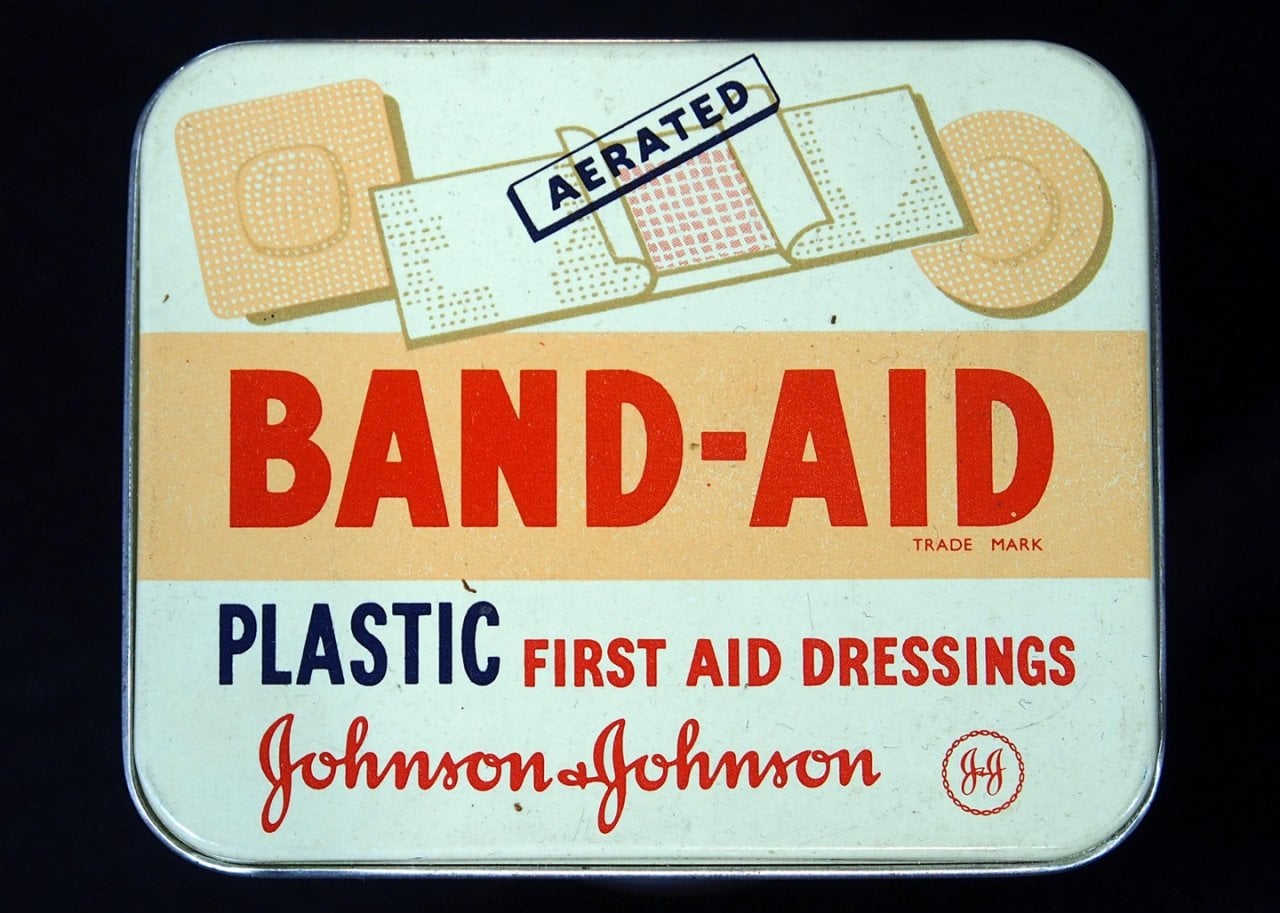
A vintage box of band-aid first aid dressings
Alf Van Beem // Wikimedia Commons

Earle and Josephine Dickson created the first adhesive bandage in 1920. The two took the idea to Johnson & Johnson, where Earle was a cotton buyer. Their invention became trademarked as Band-Aid. The company now makes a liquid sealant, and some come pre-treated with antibiotics.


1921: Polygraph
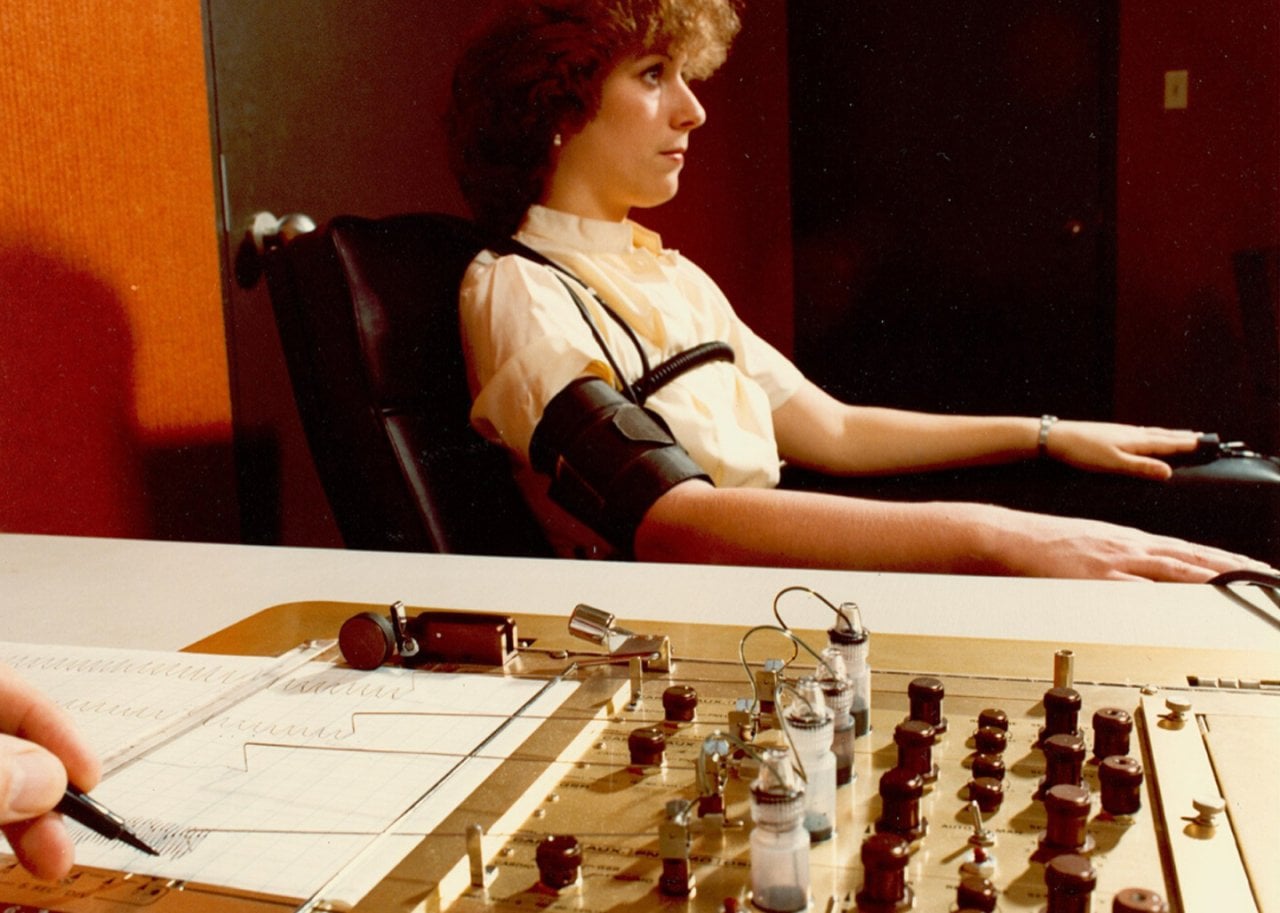
Vintage photo of a woman hooked up to a polygraph machine
Federal Bureau of Investigation // Wikimedia Commons

John Larson, a police officer in Berkeley, California, created the first polygraph machine in 1921. It was designed to detect sudden changes in blood pressure with the thought that if someone was nervous, it might be a sign they're lying. The machines have been controversial, and most courts don't allow results as evidence. In 2018, the U.S. Department of Homeland Security funded an artificial intelligence technology called AVATAR that assesses truthfulness by subtle changes in eye movements, voice, or body shifts.


1922: Insulin
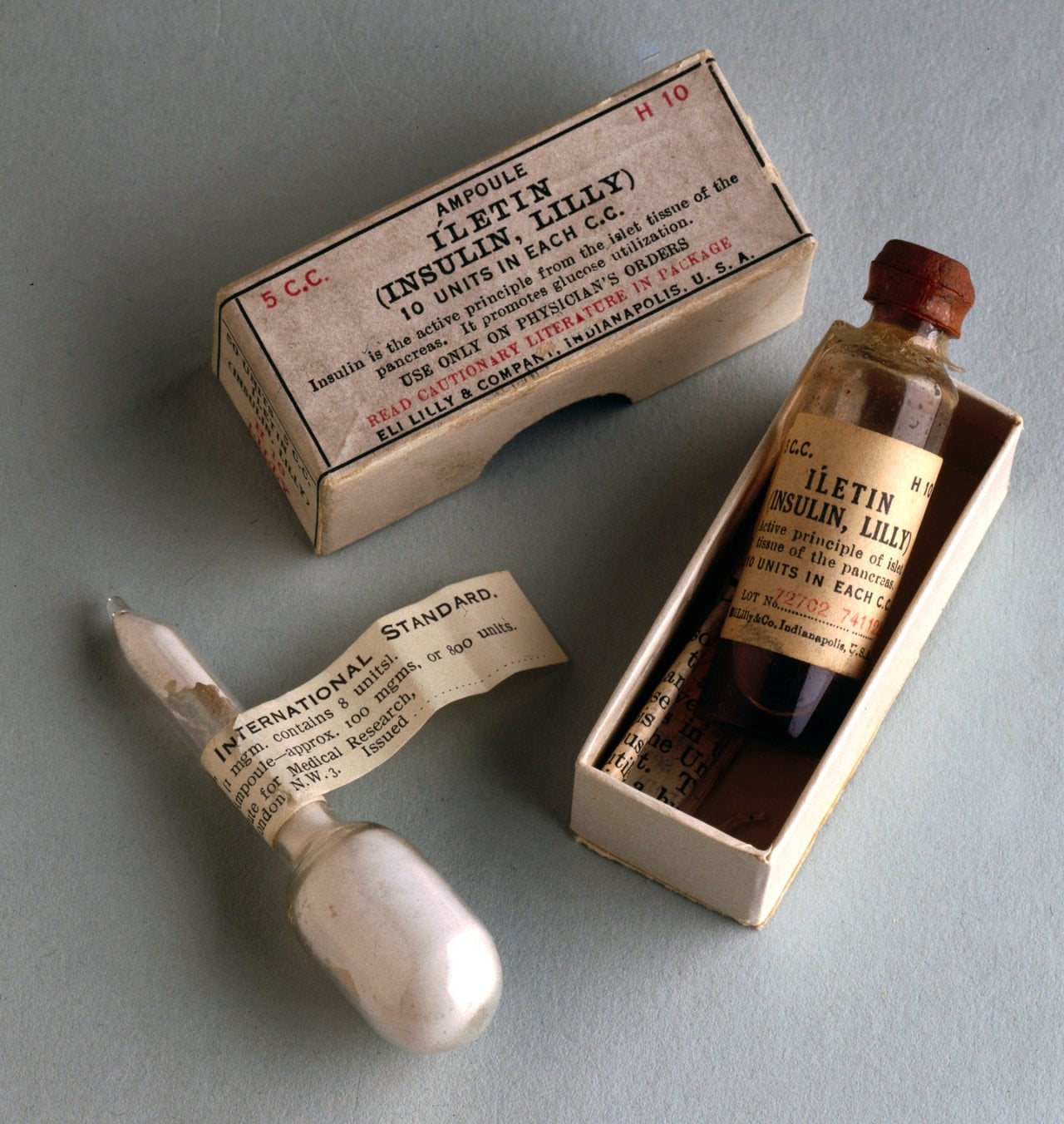
These samples of insulin are from the early days of the development of insulin therapy
SSPL // Getty Images

On Jan. 11, 1922, Dr. Frederick Banting administered the first treatment of insulin for diabetes, which he developed along with medical student Charles Best. Before insulin treatment was available, most people with type 1 diabetes didn't live very long. Modern-day insulin still can't be administered in pill form, but people can give themselves daily shots or wear a pump.


1923: Q-tips
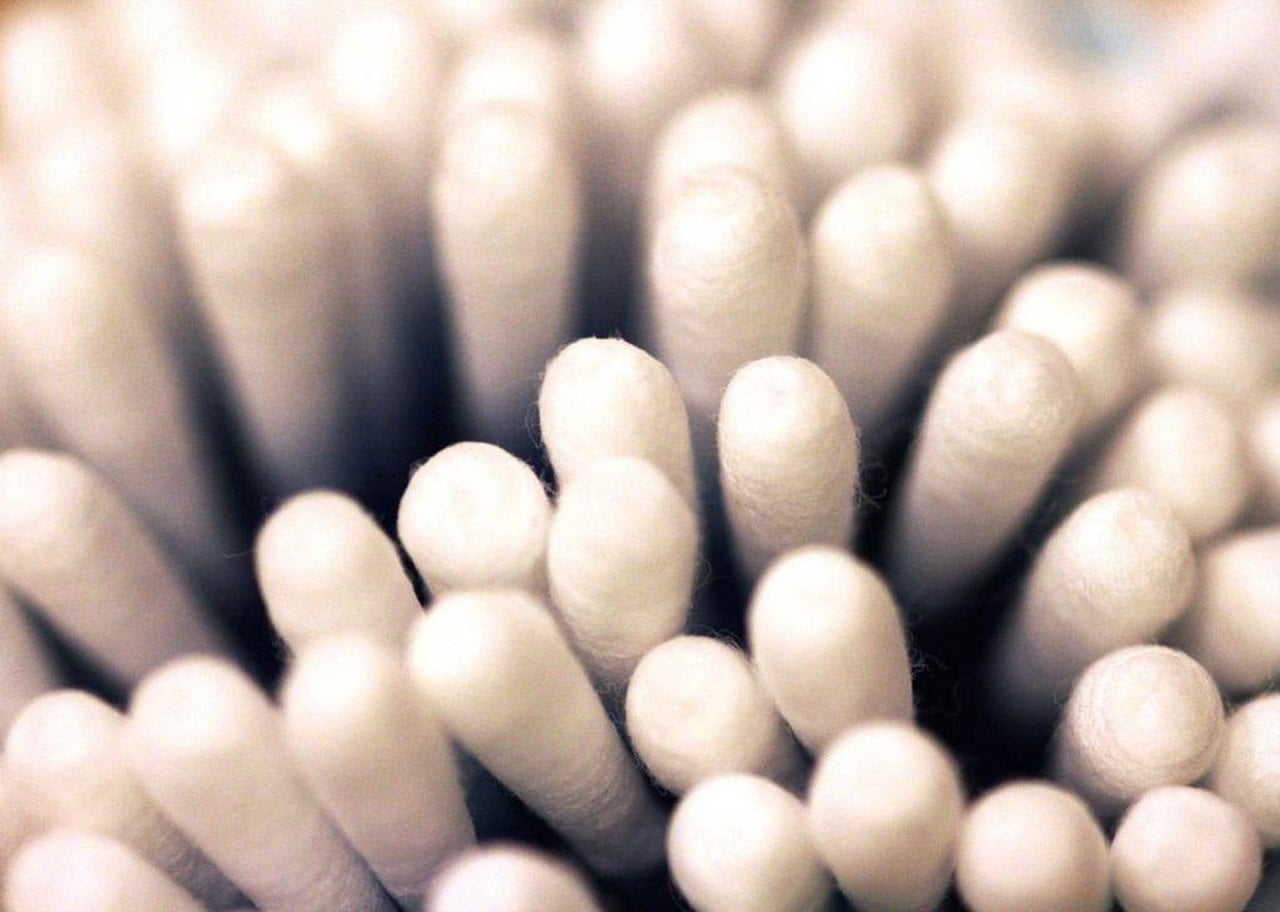
Close-up shot of q-tips
MuLaN // Flickr

After Leo Gerstenzang saw his wife adding cotton to toothpicks, he created cotton swabs and founded the Q-tips Company. Their original name was "Baby Gays," but Gerstenzang changed the name to Q-tips—the Q stands for quality.


1924: Frozen food
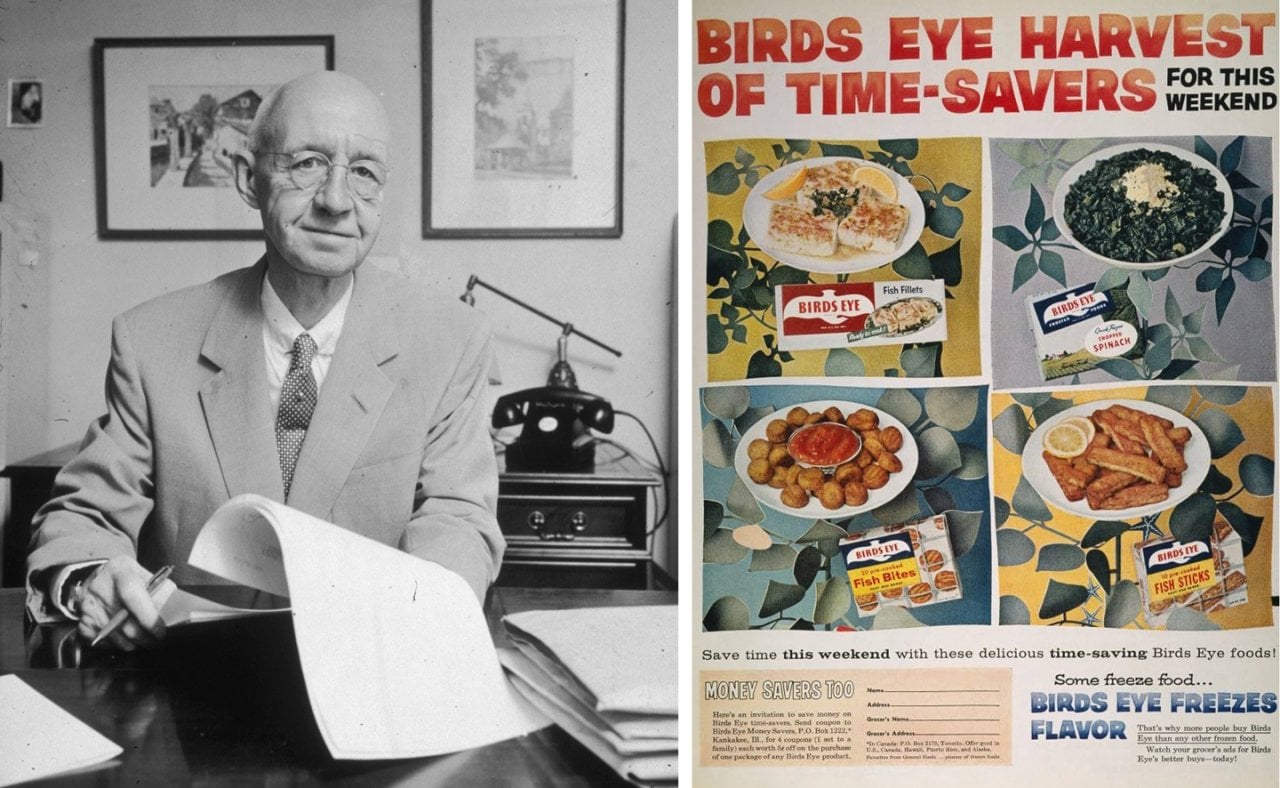
Portait of Clarence Birdseye next to a vintage ad for Birdseye frozen foods
Hulton Archive // Getty Images, Amazon

People have been freezing food for millennia, but Clarence Birdseye is often credited with inventing the modern way of quick-freezing food. Birdseye invented the method after realizing that ice would form on food if it was frozen too slowly. When defrosted, the crystals would melt and affect the quality and taste of the food.


1925: Mechanical television
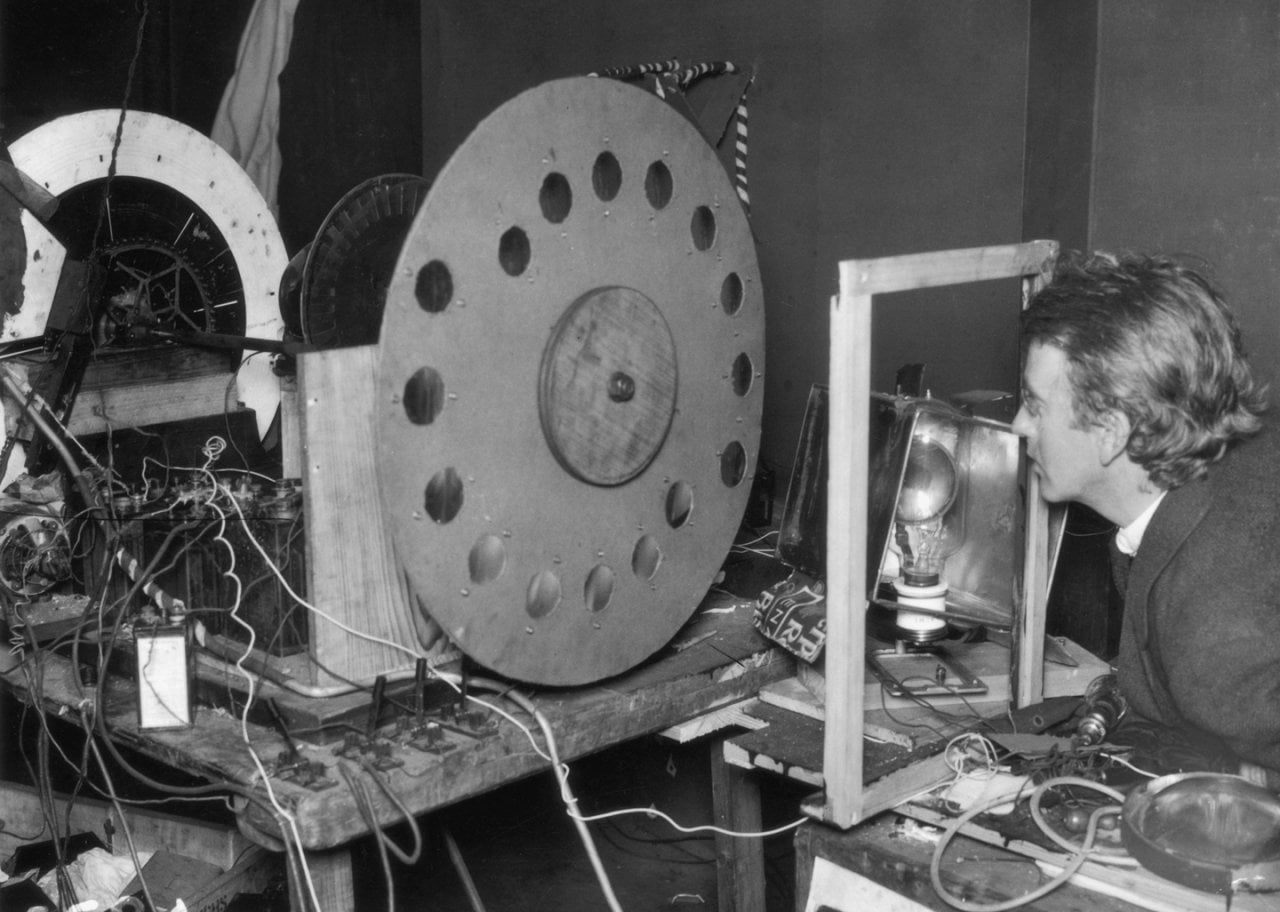
John Logie Baird, the inventor of television, with his transmitting station
Hulton Archive // Getty Images

In 1925, inventor John Logie Baird showed off a mechanical device that projected the shadow of a doll on the other side of the room. A year later, he would unveil the mechanical TV, the precursor to the modern electric television that was invented by Philo Farnsworth in 1927.


1926: Liquid rocket fuel
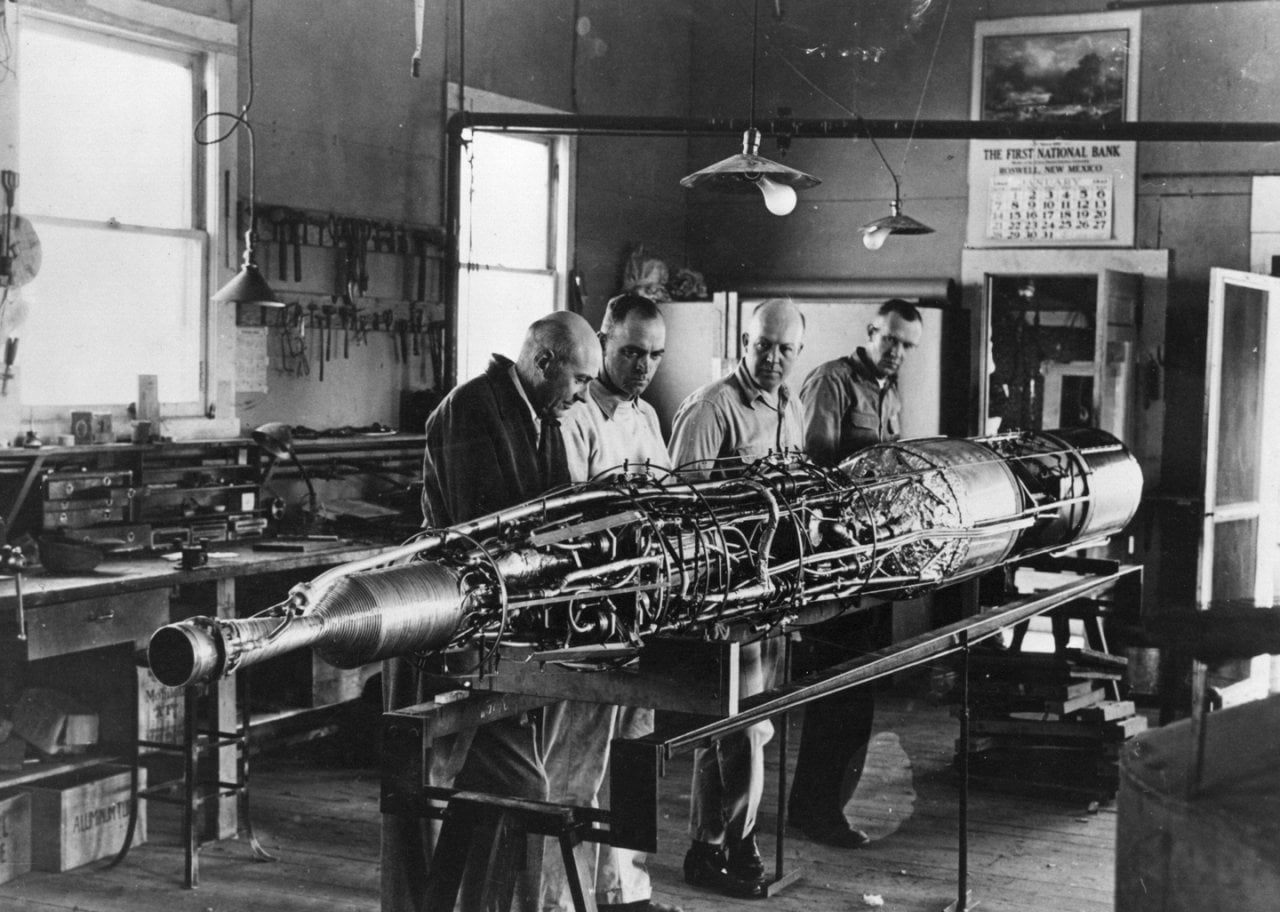
Rocket with turbopumps that inject propellants into the combustion chamber on its assembly frame is shown without its casing at the Goddard shop in Roswell, New Mexico
B Anthony Stewart // Getty Images

On March 16, 1926, Robert Hutchings Goddard used liquid rocket fuel in a rocket he built and tested. Goddard proposed the idea of a rocket reaching the moon back in 1920. His research and inventions directly contributed to the existence of modern space flight.


1927: Iron lung
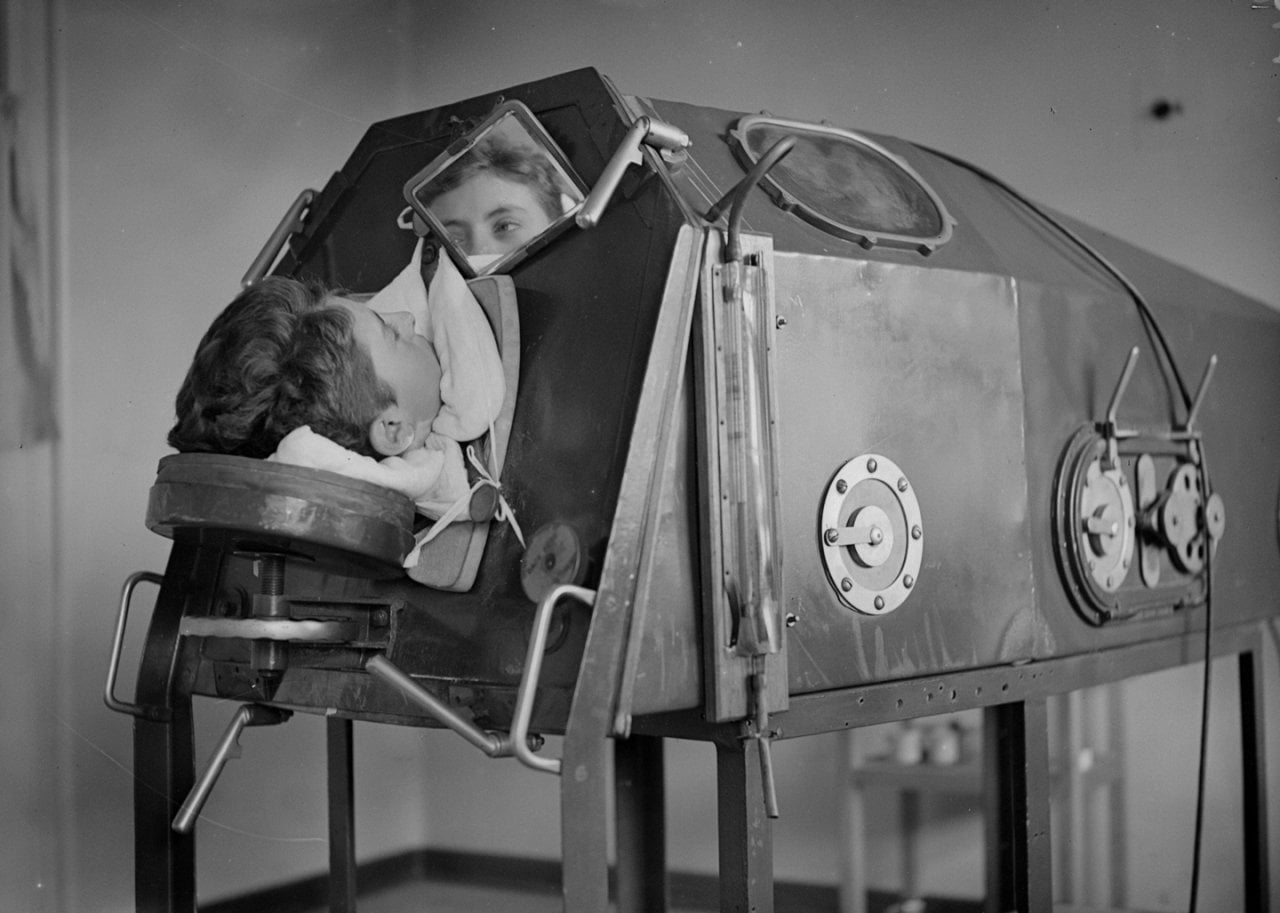
Child in an iron lung
London Express // Getty Images

Philip Drinker and Louis Agassiz Shaw Jr. invented a tank respirator known as the iron lung to help patients with polio. The machine acts as a mechanical diaphragm, forcing air into the lungs of people who could no longer swallow or breathe on their own. Most patients only needed treatment for a few weeks, but some required lifelong assistance.


1928: Sliced bread
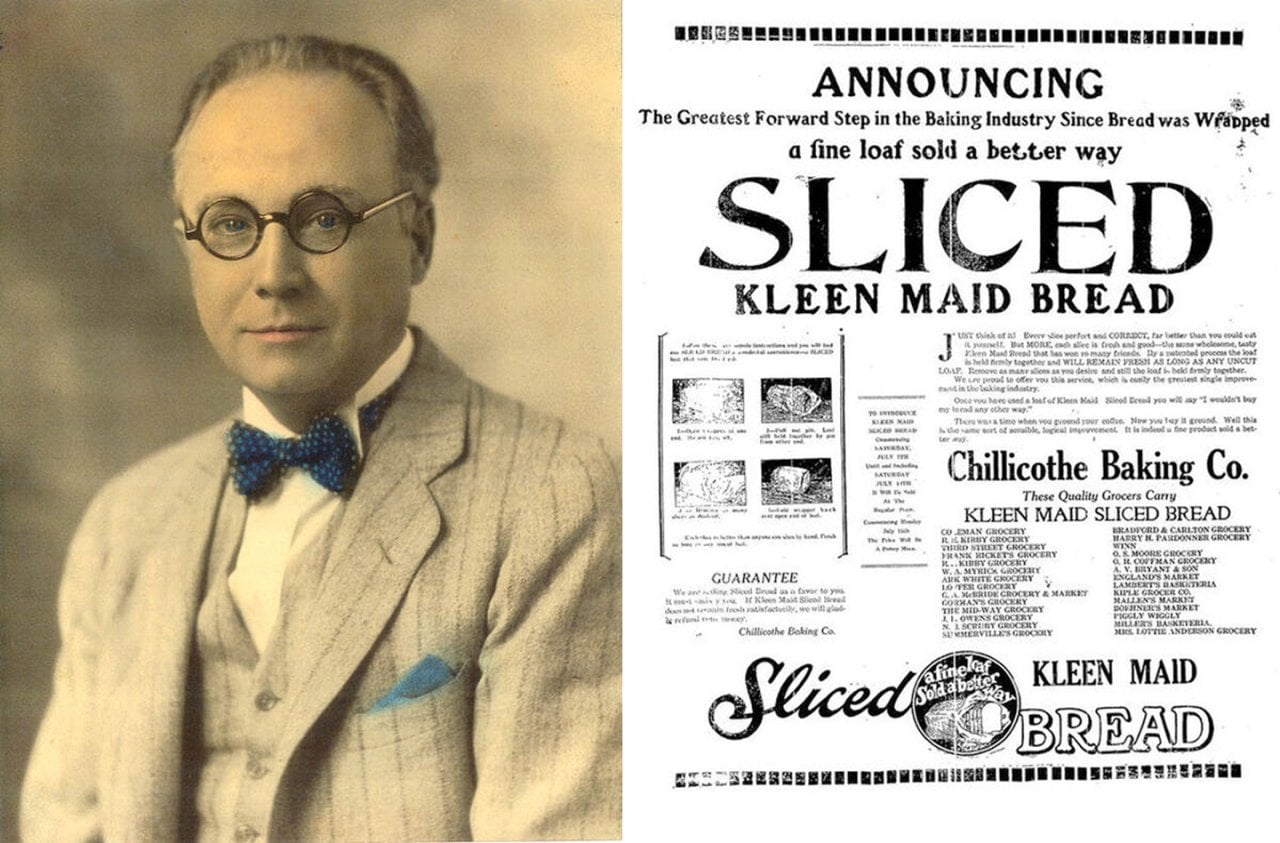
Otto Rohwedder, the invention of the bread slicing machine, and an old ad for his slice bread
Chillicothe Downtown Historic Society

Richard O. Rohwedder filed his patent for a bread-slicing machine in 1928. That same year, he sold his invention to the Chillicothe Baking Company in Missouri, which became "The Home of Sliced Bread." Also in 1928, Scottish physician and scientist Alexander Fleming discovered penicillin; he noticed that something in mold had inhibited bacterial growth. In June 1929, he published his findings in the British Journal of Experimental Pathology.


1929: Cardiac catheterization
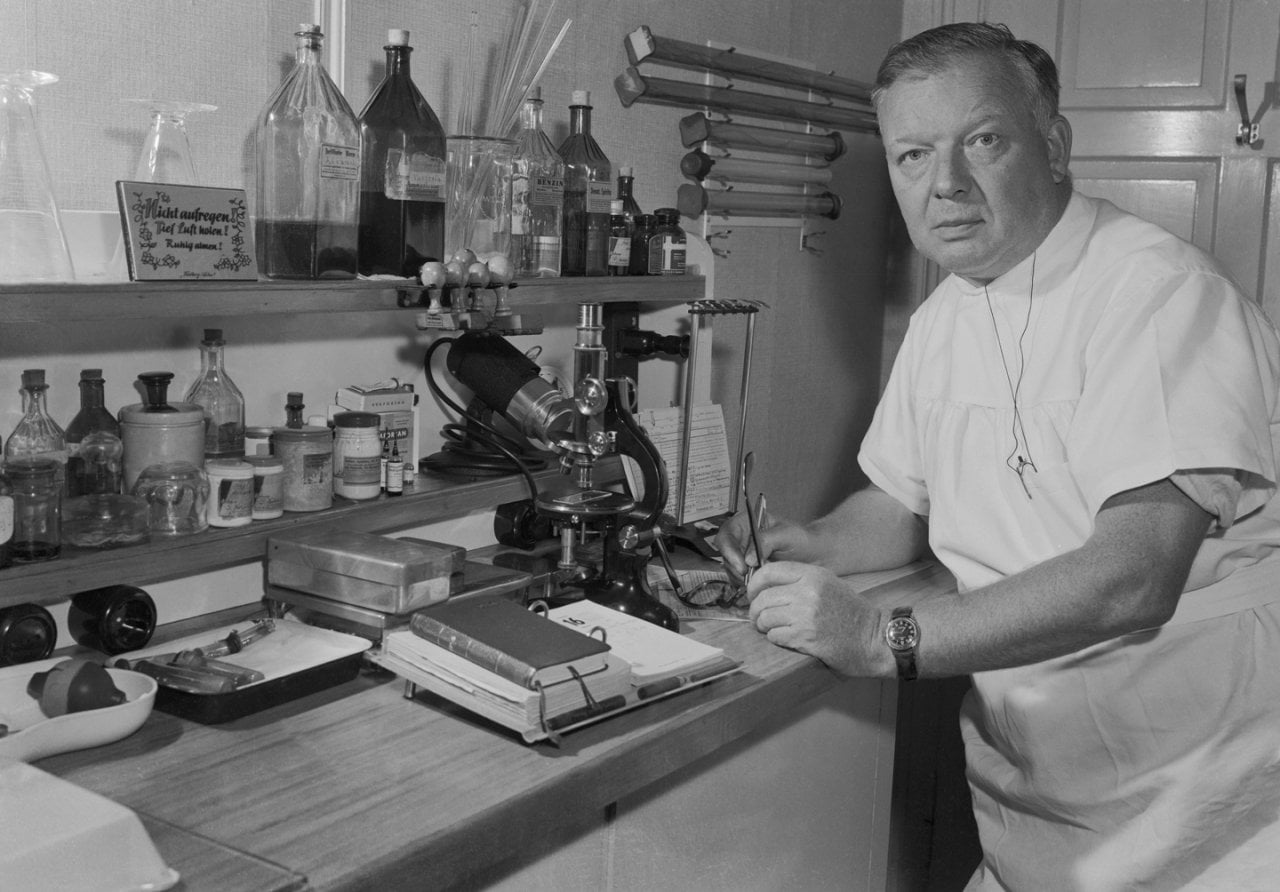
German Doctor Werner Forssmann is one of three heart specialists jointly awarded the 1956 Nobel Prize for medicine.
Bettmann // Getty

Werner Forssmann performed the first heart catheterization on himself in 1929, laying the groundwork for modern cardiology. Catheterization helps doctors get to a patient's heart through more accessible veins. Inserting pacemakers, repairing heart valves, and unblocking blood vessels are all procedures that use the method.


 

Salem News Channel Today

Sponsored Links


September 26 - Phoenix, AZ
Scottsdale Center for the Performing Arts


November 2 - Detroit, MI
Zion Christian Church in Troy


October 6 - Los Angeles, CA
Pasadena Convention Center


November 5 - San Antonio, TX
Norris Centers – The Grand Red Oak Ballroom


October 8 - Sacramento, CA
William Jessup University


November 7 - Tampa, FL
The Palladium at St. Pete College


October 22 - Minneapolis, MN
Crowne Plaza AiRE


November 15 - San Francisco, CA
Fremont Marriott Silicon Valley


October 23 - Philadelphia, PA
Green Valley Country Club


November 16 - Denver, CO
CU South Denver - Formerly Wildlife Experience


November 2 - Chicago, IL
Chicago Westin Northwest in Itasca


November 21 - Cleveland, OH
Holiday Inn Rockside in Independence


Salem Radio Network Speakers

Larry Elder is an American lawyer, writer, and radio and television personality who calls himself the "Sage of South Central" a district of Los Angeles, Larry says his philosophy is to entertain, inform, provoke and to hopefully uplift. His calling card is "we have a country to save" and to him this means returning to the bedrock Constitutional principles of limited government and maximum personal responsibility. Elder's iconoclastic wit and intellectual agility makes him a particularly attractive voice in a nation that seems weary of traditional racial dialogue.” – Los Angeles Times.

Mike Gallagher Mike Gallagher began his broadcasting career in 1978 in Dayton, Ohio. Today, he is one of the most listened-to talk radio show hosts in America, recently having been ranked in the Talkers Magazine “Heavy Hundred” list – the 100 most important talk radio hosts in America. Prior to being launched into national syndication in 1998, Mike hosted the morning show on WABC-AM in New York City. Today, Talkers Magazine reports that his show is heard by over 3.75 million weekly listeners. Besides his radio work, Mike is seen on Fox News Channel as an on-air contributor, frequently appearing on the cable news giant.

Hugh Hewitt is one of the nation’s leading bloggers and a genuine media revolutionary. He brings that expertise, his wit and what The New Yorker magazine calls his “amiable but relentless manner” to his nationally syndicated show each day.

When Dr. Sebastian Gorka was growing up, he listened to talk radio under his pillow with a transistor radio, dreaming that one day he would be behind the microphone. Beginning New Year’s Day 2019, he got his wish. Gorka now hosts America First every weekday afternoon 3 to 6pm ET. Gorka’s unique story works well on the radio. He is national security analyst for the Fox News Channel and author of two books: "Why We Fight" and "Defeating Jihad." His latest book releasing this fall is “War For America’s Soul.” He is uniquely qualified to fight the culture war and stand up for what is great about America, his adopted home country.

Broadcasting from his home station of KRLA in Los Angeles, the Dennis Prager Show is heard across the country. Everything in life – from politics to religion to relationships – is grist for Dennis’ mill. If it’s interesting, if it affects your life, then Dennis will be talking about it – with passion, humor, insight and wisdom.

Sean Hannity is a conservative radio and television host, and one of the original primetime hosts on the Fox News Channel, where he has appeared since 1996. Sean Hannity began his radio career at a college station in California, before moving on to markets in the Southeast and New York. Today, he’s one of the most listened to on-air voices. Hannity’s radio program went into national syndication on September 10, 2001, and airs on more than 500 stations. Talkers Magazine estimates Hannity’s weekly radio audience at 13.5 million. In 1996 he was hired as one of the original hosts on Fox News Channel. As host of several popular Fox programs, Hannity has become the highest-paid news anchor on television.

Michelle Malkin is a mother, wife, blogger, conservative syndicated columnist, longtime cable TV news commentator, and best-selling author of six books. She started her newspaper journalism career at the Los Angeles Daily News in 1992, moved to the Seattle Times in 1995, and has been penning nationally syndicated newspaper columns for Creators Syndicate since 1999. She is founder of conservative Internet start-ups Hot Air and Twitchy.com. Malkin has received numerous awards for her investigative journalism, including the Council on Governmental Ethics Laws (COGEL) national award for outstanding service for the cause of governmental ethics and leadership (1998), the Reed Irvine Accuracy in Media Award for Investigative Journalism (2006), the Heritage Foundation and Franklin Center for Government & Public Integrity's Breitbart Award for Excellence in Journalism (2013), the Center for Immigration Studies' Eugene Katz Award for Excellence in the Coverage of Immigration Award (2016), and the Manhattan Film Festival's Film Heals Award (2018). Married for 26 years and the mother of two teenage children, she lives with her family in Colorado. Follow her at michellemalkin.com. (Photo reprinted with kind permission from Peter Duke Photography.)

Sponsored by:

Revolutionary inventions of the 1920s

Carbonatix Pre-Player Loader

Audio By Carbonatix

The Roaring Twenties didn't just roar with jazz, flappers, and speakeasies—it hummed with the sound of innovation. As America emerged from World War I, the decade ushered in unprecedented economic prosperity, with the nation's total wealth more than doubling between 1920 and 1929. For the first time, more Americans lived in cities than on farms, creating new demands for modern conveniences and life-saving medical breakthroughs.

This was the decade when women gained the right to vote with the 19th Amendment in 1920, and technology began transforming everyday life. By decade's end, radios sat in more than 12 million American households, connecting the country like never before. The 1920s gave us inventions that would become household staples—from the Band-Aid that patched up scraped knees to the pop-up toaster that simplified breakfast.

Medical innovations saved lives, with insulin giving hope to diabetics and the iron lung helping polio patients breathe. Meanwhile, practical inventions like Q-tips, Scotch tape, and frozen food made daily life a little easier. Some inventions, like the polygraph, sparked controversy that continues today. Others, like sliced bread—which arrived in 1928—became the benchmark against which all future innovations would be measured.

To find the most interesting inventions of the 1920s, Stacker scoured news reports and patents. Click through to discover the brilliant innovations from this transformative decade.

1920: Band-Aid

A vintage box of band-aid first aid dressings
Alf Van Beem // Wikimedia Commons

Earle and Josephine Dickson created the first adhesive bandage in 1920. The two took the idea to Johnson & Johnson, where Earle was a cotton buyer. Their invention became trademarked as Band-Aid. The company now makes a liquid sealant, and some come pre-treated with antibiotics.


1921: Polygraph

Vintage photo of a woman hooked up to a polygraph machine
Federal Bureau of Investigation // Wikimedia Commons

John Larson, a police officer in Berkeley, California, created the first polygraph machine in 1921. It was designed to detect sudden changes in blood pressure with the thought that if someone was nervous, it might be a sign they're lying. The machines have been controversial, and most courts don't allow results as evidence. In 2018, the U.S. Department of Homeland Security funded an artificial intelligence technology called AVATAR that assesses truthfulness by subtle changes in eye movements, voice, or body shifts.


1922: Insulin

These samples of insulin are from the early days of the development of insulin therapy
SSPL // Getty Images

On Jan. 11, 1922, Dr. Frederick Banting administered the first treatment of insulin for diabetes, which he developed along with medical student Charles Best. Before insulin treatment was available, most people with type 1 diabetes didn't live very long. Modern-day insulin still can't be administered in pill form, but people can give themselves daily shots or wear a pump.


1923: Q-tips

Close-up shot of q-tips
MuLaN // Flickr

After Leo Gerstenzang saw his wife adding cotton to toothpicks, he created cotton swabs and founded the Q-tips Company. Their original name was "Baby Gays," but Gerstenzang changed the name to Q-tips—the Q stands for quality.


1924: Frozen food

Portait of Clarence Birdseye next to a vintage ad for Birdseye frozen foods
Hulton Archive // Getty Images, Amazon

People have been freezing food for millennia, but Clarence Birdseye is often credited with inventing the modern way of quick-freezing food. Birdseye invented the method after realizing that ice would form on food if it was frozen too slowly. When defrosted, the crystals would melt and affect the quality and taste of the food.


1925: Mechanical television

John Logie Baird, the inventor of television, with his transmitting station
Hulton Archive // Getty Images

In 1925, inventor John Logie Baird showed off a mechanical device that projected the shadow of a doll on the other side of the room. A year later, he would unveil the mechanical TV, the precursor to the modern electric television that was invented by Philo Farnsworth in 1927.


1926: Liquid rocket fuel

Rocket with turbopumps that inject propellants into the combustion chamber on its assembly frame is shown without its casing at the Goddard shop in Roswell, New Mexico
B Anthony Stewart // Getty Images

On March 16, 1926, Robert Hutchings Goddard used liquid rocket fuel in a rocket he built and tested. Goddard proposed the idea of a rocket reaching the moon back in 1920. His research and inventions directly contributed to the existence of modern space flight.


1927: Iron lung

Child in an iron lung
London Express // Getty Images

Philip Drinker and Louis Agassiz Shaw Jr. invented a tank respirator known as the iron lung to help patients with polio. The machine acts as a mechanical diaphragm, forcing air into the lungs of people who could no longer swallow or breathe on their own. Most patients only needed treatment for a few weeks, but some required lifelong assistance.


1928: Sliced bread

Otto Rohwedder, the invention of the bread slicing machine, and an old ad for his slice bread
Chillicothe Downtown Historic Society

Richard O. Rohwedder filed his patent for a bread-slicing machine in 1928. That same year, he sold his invention to the Chillicothe Baking Company in Missouri, which became "The Home of Sliced Bread." Also in 1928, Scottish physician and scientist Alexander Fleming discovered penicillin; he noticed that something in mold had inhibited bacterial growth. In June 1929, he published his findings in the British Journal of Experimental Pathology.


1929: Cardiac catheterization

German Doctor Werner Forssmann is one of three heart specialists jointly awarded the 1956 Nobel Prize for medicine.
Bettmann // Getty

Werner Forssmann performed the first heart catheterization on himself in 1929, laying the groundwork for modern cardiology. Catheterization helps doctors get to a patient's heart through more accessible veins. Inserting pacemakers, repairing heart valves, and unblocking blood vessels are all procedures that use the method.

 

Salem News Channel Today

Sponsored Links

On Air & Up Next

See the Full Program Guide