


















Does sweating help you lose weight? Here’s what the science says

Carbonatix Pre-Player Loader

Audio By Carbonatix

Does sweating help you lose weight? Here’s what the science says

You’ve probably heard: “Sweat it out, and you’ll lose weight!” But is that really true? Does sweating help you lose weight, and does the amount of sweat on your workout clothes really reflect how much weight you’re losing?

Experts at Degree deodorant break down this sweaty situation, explore the relationship between sweat and calories, and debunk common myths around sweating and weight loss. Spoiler alert: Sweating might not mean what you think it does when it comes to fat loss, but this article will walk you through what truly matters.

Infographic on sweat and fat loss.
Degree


What is sweating? and why does it happen?

Sweating is more than just a sign that you’re working hard at the gym or enduring a sweltering summer day. It’s your body’s natural air conditioning system, kicking into gear to keep you cool. When you exercise or find yourself in a hot environment, your body produces sweat to regulate your temperature. This process involves the activation of sweat glands, which release moisture onto your skin’s surface. As this moisture, or perspiration, evaporates, it helps lower your body temperature, keeping you from overheating.

When you push your limits, your body sweats more, which can lead to temporary weight loss—but it’s mostly water weight. Once you rehydrate, that weight comes right back. So, while sweating can be an indicator of an intense workout, it’s not the key to long-term weight loss.

The real takeaway here is that consistent movement and exercise help you burn calories and shed fat. Whether you’re drenched in sweat or just glistening, what matters most is that you’re staying active and pushing yourself. Next time you hit the gym, remember: It’s not about how much you sweat, but how much effort you put in.

Sweating vs. burning calories: What’s the connection?

Let’s get one thing straight: Sweating itself doesn’t burn calories. It’s a common misconception that the more you sweat, the more weight you lose. When you exercise, your heart rate spikes, your muscles work harder, and you burn calories. The sweat is just a sign that your body is working to keep you from overheating.

Think of it this way: When you’re in the middle of a killer workout, whether you’re hitting the treadmill, lifting weights, or doing a high-intensity interval training (HIIT) session, your body is in overdrive. Your heart pumps faster, delivering oxygen to your muscles, and your metabolism kicks into high gear to provide the energy you need. This process burns calories, and as a byproduct, you start to sweat. The more intense the activity, the more you sweat, but it’s the effort and movement that’s torching those calories, not the sweat itself.

Common misconceptions about sweating and weight loss

Let’s address one of the most pervasive fitness myths, the question of: “Does sweating burn fat?” After an intense session of hot yoga or a long run on a hot day, you might feel lighter. But that immediate post-workout weight loss is due to water loss, not fat loss.

Temporary water weight loss

When you sweat, your body is losing water. This water weight may show up on the scale as a temporary reduction, but it’s not fat that you’re losing—it’s simply hydration. Once you rehydrate, that weight comes right back. Staying hydrated during and after exercise is key to avoiding dehydration and regaining lost water weight.

A classic example of temporary water weight loss is seen in athletes, particularly wrestlers or boxers, who need to meet a specific weight for competitions. They might spend time in a sauna or wear sweat suits to shed excess water weight quickly. But once they drink fluids to rehydrate, their weight returns to normal.

The difference between fat loss and water loss

In contrast to water loss, which is temporary, fat loss is a much longer-term process that involves burning more calories than you consume. To lose fat, you need to engage in consistent physical activity that raises your heart rate and burns calories, combined with a balanced diet that supports a calorie deficit.

Effective strategies for sustainable fat loss

When it comes to sustainable fat loss, it’s all about playing the long game. Forget the quick fixes and crash diets; they’re not your friends. Instead, focus on consistent physical activity and smart lifestyle choices.

Let’s talk cardio

Exercises that get your heart rate up, like running, HIIT (High-Intensity Interval Training), and cycling, are your go-to moves. These workouts are like the blockbuster movies of the fitness world—high energy, lots of action, and they keep you coming back for more. They torch calories and get your metabolism revved up, making them super effective for fat loss.

Don’t sleep on strength training

Lifting weights isn’t just for bodybuilders; it’s for anyone who wants to build muscle and boost their resting metabolic rate. More muscle means you burn more calories even when you’re just chilling on the couch. It’s like having a money-making side hustle that works for you 24/7. Plus, strength training helps you get that toned look, so you’re not just losing weight—you’re sculpting your body.

Let’s get real about diet

You can’t out-exercise a bad diet, no matter how much you sweat. Focus on balanced meals that include lean proteins, whole grains, and plenty of fruits and veggies. Think of your body as a high-performance car; you wouldn’t fuel it with junk, right? The same goes for you. Eat clean, stay hydrated, and you’ll see those fat-loss results stick around for the long haul.

Remember, sustainable fat loss is a journey, not a sprint. It’s about making small, consistent changes that add up over time. So lace up those sneakers, grab those weights, and fuel your body right.

Debunking the myths around sweating and weight loss

Let’s clear up some common misconceptions:

Myth 1: More sweat means more fat burned

This is false. Sweating is your body’s way of regulating temperature, not an indicator of fat loss. You might sweat more on a hot day or in a humid environment, but that doesn’t mean you’re burning more fat.

Myth 2: Saunas and sweat suits help you lose fat

These tactics may result in short-term water weight loss, but they don’t lead to sustainable fat loss. Saunas and sweat suits simply cause your body to lose water through sweat, which is quickly regained once you rehydrate.

Myth 3: You have to sweat to get a good workout

This is not true. While many people associate a "good" workout with lots of sweat, the effectiveness of your exercise isn't defined by how much you sweat. Low-sweat activities like strength training or swimming can burn just as many, if not more, calories than a sweat-heavy cardio session. The intensity and type of workout matter more than the amount of perspiration.

Your sweat and weight loss questions, answered

Got more questions about sweating and weight loss? Let’s address some of the most common ones:

Q: Does sweating burn calories?

A: Sweating doesn’t burn calories, but the activities that make you sweat, such as running or strength training, do burn calories. Sweating is simply your body’s response to heat.

Q: Can sweating too much be harmful?

A: Excessive sweating without proper hydration can lead to dehydration, so it’s important to drink water before, during, and after exercise.

Q: Do certain workouts make you sweat more but burn fewer calories?

A: Yes, some workouts, like hot yoga, may make you sweat more due to heat, but that doesn’t mean you’re burning more calories compared to high-intensity workouts.

Q: Can you lose weight by sweating without exercising?

A: Sweating alone, like in a sauna, can lead to temporary water weight loss, but it doesn’t result in fat loss. Sustainable weight loss requires consistent exercise and a balanced diet.

Sweat control: How to stay comfortable

While sweating is a natural and essential process for regulating body temperature, excessive sweating can sometimes be uncomfortable and inconvenient. Antiperspirant deodorant can help alleviate this discomfort.

Sweating during a workout can feel rewarding, but it’s important to remember that sweat itself doesn’t equal fat loss. It’s a byproduct of your body working hard, with actual weight loss coming from the intensity and consistency of your workouts. Embrace sweat as a sign of effort, but focus on a balanced approach to fitness for sustainable results.

This story was produced by Degree and reviewed and distributed by Stacker.


Salem News Channel Today

Sponsored Links


September 26 - Phoenix, AZ
Scottsdale Center for the Performing Arts


November 2 - Detroit, MI
Zion Christian Church in Troy


October 6 - Los Angeles, CA
Pasadena Convention Center


November 5 - San Antonio, TX
Norris Centers – The Grand Red Oak Ballroom


October 8 - Sacramento, CA
William Jessup University


November 7 - Tampa, FL
The Palladium at St. Pete College


October 22 - Minneapolis, MN
Crowne Plaza AiRE


November 15 - San Francisco, CA
Fremont Marriott Silicon Valley


October 23 - Philadelphia, PA
Green Valley Country Club


November 16 - Denver, CO
CU South Denver - Formerly Wildlife Experience


November 2 - Chicago, IL
Chicago Westin Northwest in Itasca


November 21 - Cleveland, OH
Holiday Inn Rockside in Independence


Salem Radio Network Speakers
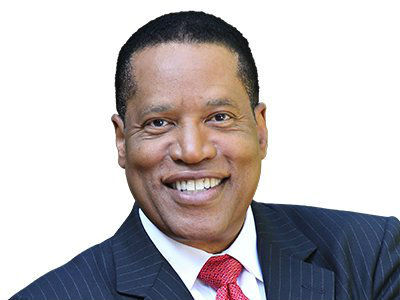
Larry Elder is an American lawyer, writer, and radio and television personality who calls himself the "Sage of South Central" a district of Los Angeles, Larry says his philosophy is to entertain, inform, provoke and to hopefully uplift. His calling card is "we have a country to save" and to him this means returning to the bedrock Constitutional principles of limited government and maximum personal responsibility. Elder's iconoclastic wit and intellectual agility makes him a particularly attractive voice in a nation that seems weary of traditional racial dialogue.” – Los Angeles Times.

Mike Gallagher Mike Gallagher began his broadcasting career in 1978 in Dayton, Ohio. Today, he is one of the most listened-to talk radio show hosts in America, recently having been ranked in the Talkers Magazine “Heavy Hundred” list – the 100 most important talk radio hosts in America. Prior to being launched into national syndication in 1998, Mike hosted the morning show on WABC-AM in New York City. Today, Talkers Magazine reports that his show is heard by over 3.75 million weekly listeners. Besides his radio work, Mike is seen on Fox News Channel as an on-air contributor, frequently appearing on the cable news giant.

Hugh Hewitt is one of the nation’s leading bloggers and a genuine media revolutionary. He brings that expertise, his wit and what The New Yorker magazine calls his “amiable but relentless manner” to his nationally syndicated show each day.

When Dr. Sebastian Gorka was growing up, he listened to talk radio under his pillow with a transistor radio, dreaming that one day he would be behind the microphone. Beginning New Year’s Day 2019, he got his wish. Gorka now hosts America First every weekday afternoon 3 to 6pm ET. Gorka’s unique story works well on the radio. He is national security analyst for the Fox News Channel and author of two books: "Why We Fight" and "Defeating Jihad." His latest book releasing this fall is “War For America’s Soul.” He is uniquely qualified to fight the culture war and stand up for what is great about America, his adopted home country.

Broadcasting from his home station of KRLA in Los Angeles, the Dennis Prager Show is heard across the country. Everything in life – from politics to religion to relationships – is grist for Dennis’ mill. If it’s interesting, if it affects your life, then Dennis will be talking about it – with passion, humor, insight and wisdom.

Sean Hannity is a conservative radio and television host, and one of the original primetime hosts on the Fox News Channel, where he has appeared since 1996. Sean Hannity began his radio career at a college station in California, before moving on to markets in the Southeast and New York. Today, he’s one of the most listened to on-air voices. Hannity’s radio program went into national syndication on September 10, 2001, and airs on more than 500 stations. Talkers Magazine estimates Hannity’s weekly radio audience at 13.5 million. In 1996 he was hired as one of the original hosts on Fox News Channel. As host of several popular Fox programs, Hannity has become the highest-paid news anchor on television.

Michelle Malkin is a mother, wife, blogger, conservative syndicated columnist, longtime cable TV news commentator, and best-selling author of six books. She started her newspaper journalism career at the Los Angeles Daily News in 1992, moved to the Seattle Times in 1995, and has been penning nationally syndicated newspaper columns for Creators Syndicate since 1999. She is founder of conservative Internet start-ups Hot Air and Twitchy.com. Malkin has received numerous awards for her investigative journalism, including the Council on Governmental Ethics Laws (COGEL) national award for outstanding service for the cause of governmental ethics and leadership (1998), the Reed Irvine Accuracy in Media Award for Investigative Journalism (2006), the Heritage Foundation and Franklin Center for Government & Public Integrity's Breitbart Award for Excellence in Journalism (2013), the Center for Immigration Studies' Eugene Katz Award for Excellence in the Coverage of Immigration Award (2016), and the Manhattan Film Festival's Film Heals Award (2018). Married for 26 years and the mother of two teenage children, she lives with her family in Colorado. Follow her at michellemalkin.com. (Photo reprinted with kind permission from Peter Duke Photography.)

Sponsored by:

Does sweating help you lose weight? Here’s what the science says

Carbonatix Pre-Player Loader

Audio By Carbonatix

Does sweating help you lose weight? Here’s what the science says

You’ve probably heard: “Sweat it out, and you’ll lose weight!” But is that really true? Does sweating help you lose weight, and does the amount of sweat on your workout clothes really reflect how much weight you’re losing?

Experts at Degree deodorant break down this sweaty situation, explore the relationship between sweat and calories, and debunk common myths around sweating and weight loss. Spoiler alert: Sweating might not mean what you think it does when it comes to fat loss, but this article will walk you through what truly matters.

Infographic on sweat and fat loss.
Degree


What is sweating? and why does it happen?

Sweating is more than just a sign that you’re working hard at the gym or enduring a sweltering summer day. It’s your body’s natural air conditioning system, kicking into gear to keep you cool. When you exercise or find yourself in a hot environment, your body produces sweat to regulate your temperature. This process involves the activation of sweat glands, which release moisture onto your skin’s surface. As this moisture, or perspiration, evaporates, it helps lower your body temperature, keeping you from overheating.

When you push your limits, your body sweats more, which can lead to temporary weight loss—but it’s mostly water weight. Once you rehydrate, that weight comes right back. So, while sweating can be an indicator of an intense workout, it’s not the key to long-term weight loss.

The real takeaway here is that consistent movement and exercise help you burn calories and shed fat. Whether you’re drenched in sweat or just glistening, what matters most is that you’re staying active and pushing yourself. Next time you hit the gym, remember: It’s not about how much you sweat, but how much effort you put in.

Sweating vs. burning calories: What’s the connection?

Let’s get one thing straight: Sweating itself doesn’t burn calories. It’s a common misconception that the more you sweat, the more weight you lose. When you exercise, your heart rate spikes, your muscles work harder, and you burn calories. The sweat is just a sign that your body is working to keep you from overheating.

Think of it this way: When you’re in the middle of a killer workout, whether you’re hitting the treadmill, lifting weights, or doing a high-intensity interval training (HIIT) session, your body is in overdrive. Your heart pumps faster, delivering oxygen to your muscles, and your metabolism kicks into high gear to provide the energy you need. This process burns calories, and as a byproduct, you start to sweat. The more intense the activity, the more you sweat, but it’s the effort and movement that’s torching those calories, not the sweat itself.

Common misconceptions about sweating and weight loss

Let’s address one of the most pervasive fitness myths, the question of: “Does sweating burn fat?” After an intense session of hot yoga or a long run on a hot day, you might feel lighter. But that immediate post-workout weight loss is due to water loss, not fat loss.

Temporary water weight loss

When you sweat, your body is losing water. This water weight may show up on the scale as a temporary reduction, but it’s not fat that you’re losing—it’s simply hydration. Once you rehydrate, that weight comes right back. Staying hydrated during and after exercise is key to avoiding dehydration and regaining lost water weight.

A classic example of temporary water weight loss is seen in athletes, particularly wrestlers or boxers, who need to meet a specific weight for competitions. They might spend time in a sauna or wear sweat suits to shed excess water weight quickly. But once they drink fluids to rehydrate, their weight returns to normal.

The difference between fat loss and water loss

In contrast to water loss, which is temporary, fat loss is a much longer-term process that involves burning more calories than you consume. To lose fat, you need to engage in consistent physical activity that raises your heart rate and burns calories, combined with a balanced diet that supports a calorie deficit.

Effective strategies for sustainable fat loss

When it comes to sustainable fat loss, it’s all about playing the long game. Forget the quick fixes and crash diets; they’re not your friends. Instead, focus on consistent physical activity and smart lifestyle choices.

Let’s talk cardio

Exercises that get your heart rate up, like running, HIIT (High-Intensity Interval Training), and cycling, are your go-to moves. These workouts are like the blockbuster movies of the fitness world—high energy, lots of action, and they keep you coming back for more. They torch calories and get your metabolism revved up, making them super effective for fat loss.

Don’t sleep on strength training

Lifting weights isn’t just for bodybuilders; it’s for anyone who wants to build muscle and boost their resting metabolic rate. More muscle means you burn more calories even when you’re just chilling on the couch. It’s like having a money-making side hustle that works for you 24/7. Plus, strength training helps you get that toned look, so you’re not just losing weight—you’re sculpting your body.

Let’s get real about diet

You can’t out-exercise a bad diet, no matter how much you sweat. Focus on balanced meals that include lean proteins, whole grains, and plenty of fruits and veggies. Think of your body as a high-performance car; you wouldn’t fuel it with junk, right? The same goes for you. Eat clean, stay hydrated, and you’ll see those fat-loss results stick around for the long haul.

Remember, sustainable fat loss is a journey, not a sprint. It’s about making small, consistent changes that add up over time. So lace up those sneakers, grab those weights, and fuel your body right.

Debunking the myths around sweating and weight loss

Let’s clear up some common misconceptions:

Myth 1: More sweat means more fat burned

This is false. Sweating is your body’s way of regulating temperature, not an indicator of fat loss. You might sweat more on a hot day or in a humid environment, but that doesn’t mean you’re burning more fat.

Myth 2: Saunas and sweat suits help you lose fat

These tactics may result in short-term water weight loss, but they don’t lead to sustainable fat loss. Saunas and sweat suits simply cause your body to lose water through sweat, which is quickly regained once you rehydrate.

Myth 3: You have to sweat to get a good workout

This is not true. While many people associate a "good" workout with lots of sweat, the effectiveness of your exercise isn't defined by how much you sweat. Low-sweat activities like strength training or swimming can burn just as many, if not more, calories than a sweat-heavy cardio session. The intensity and type of workout matter more than the amount of perspiration.

Your sweat and weight loss questions, answered

Got more questions about sweating and weight loss? Let’s address some of the most common ones:

Q: Does sweating burn calories?

A: Sweating doesn’t burn calories, but the activities that make you sweat, such as running or strength training, do burn calories. Sweating is simply your body’s response to heat.

Q: Can sweating too much be harmful?

A: Excessive sweating without proper hydration can lead to dehydration, so it’s important to drink water before, during, and after exercise.

Q: Do certain workouts make you sweat more but burn fewer calories?

A: Yes, some workouts, like hot yoga, may make you sweat more due to heat, but that doesn’t mean you’re burning more calories compared to high-intensity workouts.

Q: Can you lose weight by sweating without exercising?

A: Sweating alone, like in a sauna, can lead to temporary water weight loss, but it doesn’t result in fat loss. Sustainable weight loss requires consistent exercise and a balanced diet.

Sweat control: How to stay comfortable

While sweating is a natural and essential process for regulating body temperature, excessive sweating can sometimes be uncomfortable and inconvenient. Antiperspirant deodorant can help alleviate this discomfort.

Sweating during a workout can feel rewarding, but it’s important to remember that sweat itself doesn’t equal fat loss. It’s a byproduct of your body working hard, with actual weight loss coming from the intensity and consistency of your workouts. Embrace sweat as a sign of effort, but focus on a balanced approach to fitness for sustainable results.

This story was produced by Degree and reviewed and distributed by Stacker.


Salem News Channel Today

Sponsored Links

On Air & Up Next

See the Full Program Guide