



















Don’t talk to me before my coffee: The importance of a morning routine

Carbonatix Pre-Player Loader

Audio By Carbonatix

Don’t talk to me before my coffee: The importance of a morning routine

How much does your morning routine impact the rest of your day? Naturepedic teamed up with leading consumer insights and data firm Talker Research to find out — and the results might make you rethink hitting snooze. In fact, 37% of Americans say they can tell how their day will go within the first 10 minutes of waking up.

Here’s what else we uncovered.

1 in 3 Americans have morning thrown off by change in routine.
Naturepedic


It doesn’t take much to throw off a morning. Whether it’s forgetting to brew coffee, skipping a shower, or neglecting to drink water, these seemingly minor slip-ups can have a major impact. Here’s what people said were the biggest morning disruptors:

Reasons why mornings get thrown off.
Naturepedic


Why does skipping part of your morning routine affect your whole day? Because routines provide structure, predictability and control, all of which help you mentally and physically prepare for the day ahead. When that structure is disrupted, on the other hand, your brain registers it as a break in rhythm, which can lead to feeling rushed and scattered.

Reasons why mornings get thrown off.
Naturepedic


Why does skipping part of your morning routine affect your whole day? Because routines provide structure, predictability, and control, all of which help you mentally and physically prepare for the day ahead. When that structure is disrupted, on the other hand, your brain registers it as a break in rhythm, which can lead to feeling rushed and scattered.

So What Happens When You Wake Up on the Wrong Side of the Bed?

The short answer? A bad day. Half of Americans say they can tell how their entire day will go based on how they feel right after waking up. Younger generations are especially attuned to this connection, with 67% of Gen Z and 58% of millennials linking a rough morning to a rough day ahead. The takeaway? How you start your day matters.

Generational perception of how mornings affect days.
Naturepedic


Most people don’t just feel the impact of a bad morning, they recognize it. In fact, over 60% said they could likely trace a rough day back to how it started. When you know, you know.

Percentages of respondents that can identify a bad day was caused by a bad morning.
Naturepedic


But why does a bad morning lead to a bad day? One possible explanation is that the first hour of your day shapes your mindset, stress levels, and energy. Thus, when you wake up feeling tired, rushed, or out of sync, it can trigger a cascade of negative emotions and decision fatigue that together make it harder to stay focused, patient, or productive.

Can You Turn a Rough Morning Around?

When the morning goes sideways, most people have a go-to fix. For some, it’s a solid breakfast. For others, it’s as simple as stepping outside for fresh air or sipping more water alongside that first cup of coffee.

According to the data, these are the top things people do to turn a rough morning around:

• Eating breakfast early in the day (49%)
• Getting fresh air (46%)
• Drinking as much water as coffee or tea (42%)
Stretching (35%)
• Taking a lukewarm or cool shower (27%)
• Exercising before going to work (24%)
• Spending less than 10 minutes scrolling on a phone (21%)

Top seven things to do in the morning to boost your day.
Naturepedic


Regardless of gender, the top three ways to improve a morning were the same:

1. Eating an early breakfast
2. Getting fresh air
3. Drinking just as much water as coffee or tea

These simple habits stood out across the board as the most effective ways to reset and reclaim the day.

Responses to question
Naturepedic


While it's helpful to know how to bounce back from a rough start, the best mornings are the ones that don’t need fixing. That’s where routine comes in. On average, it takes about 25 minutes to feel fully awake. Millennials take the longest, with a 29-minute gap between waking up and feeling awake, while the Silent Generation needs only 15 minutes.

Time spent waking up in minutes, by generation.
Naturepedic


It’s no surprise, then, that most people build a morning routine that lasts around 30 minutes — just enough time to fully wake up and move through the habits that help them feel ready for the day.

According to our findings, these are the most common ways people start their mornings on the right foot:

• Brushing their teeth (65%)
• Drinking water (60%)
• Making fresh coffee and tea (51%)
• Clearing their eyes (48%)
• Scrolling through missed notifications (40%)
• Stretching (38%)
 

Graph showing tasks that comprise a typical morning routine.
Naturepedic


But What If a Great Morning Starts the Night Before?

As much as people focus on what happens after the alarm goes off, the truth is, better mornings often begin long before that. In fact, most (68%) agree that a good night of sleep is the real secret to a good day — and the data backs it up.

Cycle showing the relationship between a good night of sleep and having a good day.
Naturepedic


Sleep well, wake well, live better. It’s a cycle worth getting right. Most adults (75%) believe their day would be better if they got the perfect amount of sleep. This is especially true for Gen Zers, with 80% of respondents born between the years 1997 and 2012 believing that getting the perfect amount of sleep leads to a better day.

Percentage of people who believe their day would be better with better sleep, by generation.
Naturepedic


We all know what the perfect night of sleep feels like, but how many of us are actually getting it? When we asked people to compare how much sleep they typically get versus how much they wish they got, the gap was impossible to ignore.

The majority report sleeping between four and six hours a night, even though 80% say their ideal would be seven to nine hours. And while 72% believe hitting that sweet spot would make their day better, only 47% are actually doing it. The struggle for better sleep? Very real.

Opinions on getting the perfect amount of sleep.
Naturepedic


How to Give Yourself the Best Chance at Rest

Much like the path to better mornings starts the night before, the path to better sleep starts before your head hits the pillow. Many people rely on small, familiar habits to help them wind down — watching TV, reading, pouring a glass of water, or putting fresh bedding on the bed. These routines create a sense of calm and consistency, helping signal to the body that it’s time to rest.

Activities that people say will help them get the right amount of sleep.
Naturepedic


The Takeaway? Better Days Begin With Better Sleep

From the first few minutes after waking up to the small habits we rely on before bed, one theme is clear: how we structure our routines matters. A consistent morning sets the tone for the day, but real energy, focus, and resilience start the night before — with enough rest, the right habits, and a space (mattress and bedding included) that supports deep sleep.

Because when you sleep better, you live better.

TL;DR: Quick Answers to Your Morning Routine Questions

How long does it take to feel fully awake in the morning?
On average, it takes about 25 minutes to fully wake up in the morning (though it varies slightly by generation).

How long should a morning routine be?
A morning routine should be about 30 minutes long. That’s the average across all age groups and matches the time most people need to fully wake up.

What can I do to improve a bad morning?
Eating breakfast early, getting fresh air, and drinking water are the top three things people do to improve a bad morning.

Can a bad morning really ruin your day?
Yes. 49% of people say their morning plays a major role in how the rest of the day goes, and 37% can tell within 10 minutes how their day will unfold.

Does better sleep lead to a better day?
Absolutely. 70% of people believe that a good night of sleep improves their day, and 68% of people believe a good day improves their sleep.

What helps people fall asleep and stay asleep?
Top bedtime habits for better sleep include watching TV, reading, drinking a glass of water, using fresh sheets, and limiting screen time.

This story was produced by Naturepedic and reviewed and distributed by Stacker.


Salem News Channel Today

Sponsored Links


September 26 - Phoenix, AZ
Scottsdale Center for the Performing Arts


November 2 - Detroit, MI
Zion Christian Church in Troy


October 6 - Los Angeles, CA
Pasadena Convention Center


November 5 - San Antonio, TX
Norris Centers – The Grand Red Oak Ballroom


October 8 - Sacramento, CA
William Jessup University


November 7 - Tampa, FL
The Palladium at St. Pete College


October 22 - Minneapolis, MN
Crowne Plaza AiRE


November 15 - San Francisco, CA
Fremont Marriott Silicon Valley


October 23 - Philadelphia, PA
Green Valley Country Club


November 16 - Denver, CO
CU South Denver - Formerly Wildlife Experience


November 2 - Chicago, IL
Chicago Westin Northwest in Itasca


November 21 - Cleveland, OH
Holiday Inn Rockside in Independence


Salem Radio Network Speakers
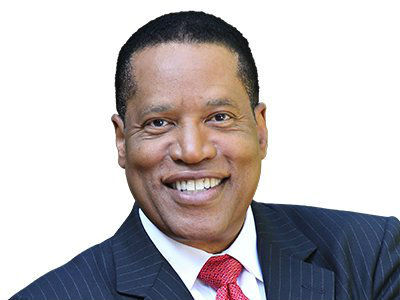
Larry Elder is an American lawyer, writer, and radio and television personality who calls himself the "Sage of South Central" a district of Los Angeles, Larry says his philosophy is to entertain, inform, provoke and to hopefully uplift. His calling card is "we have a country to save" and to him this means returning to the bedrock Constitutional principles of limited government and maximum personal responsibility. Elder's iconoclastic wit and intellectual agility makes him a particularly attractive voice in a nation that seems weary of traditional racial dialogue.” – Los Angeles Times.

Mike Gallagher Mike Gallagher began his broadcasting career in 1978 in Dayton, Ohio. Today, he is one of the most listened-to talk radio show hosts in America, recently having been ranked in the Talkers Magazine “Heavy Hundred” list – the 100 most important talk radio hosts in America. Prior to being launched into national syndication in 1998, Mike hosted the morning show on WABC-AM in New York City. Today, Talkers Magazine reports that his show is heard by over 3.75 million weekly listeners. Besides his radio work, Mike is seen on Fox News Channel as an on-air contributor, frequently appearing on the cable news giant.

Hugh Hewitt is one of the nation’s leading bloggers and a genuine media revolutionary. He brings that expertise, his wit and what The New Yorker magazine calls his “amiable but relentless manner” to his nationally syndicated show each day.

When Dr. Sebastian Gorka was growing up, he listened to talk radio under his pillow with a transistor radio, dreaming that one day he would be behind the microphone. Beginning New Year’s Day 2019, he got his wish. Gorka now hosts America First every weekday afternoon 3 to 6pm ET. Gorka’s unique story works well on the radio. He is national security analyst for the Fox News Channel and author of two books: "Why We Fight" and "Defeating Jihad." His latest book releasing this fall is “War For America’s Soul.” He is uniquely qualified to fight the culture war and stand up for what is great about America, his adopted home country.

Broadcasting from his home station of KRLA in Los Angeles, the Dennis Prager Show is heard across the country. Everything in life – from politics to religion to relationships – is grist for Dennis’ mill. If it’s interesting, if it affects your life, then Dennis will be talking about it – with passion, humor, insight and wisdom.

Sean Hannity is a conservative radio and television host, and one of the original primetime hosts on the Fox News Channel, where he has appeared since 1996. Sean Hannity began his radio career at a college station in California, before moving on to markets in the Southeast and New York. Today, he’s one of the most listened to on-air voices. Hannity’s radio program went into national syndication on September 10, 2001, and airs on more than 500 stations. Talkers Magazine estimates Hannity’s weekly radio audience at 13.5 million. In 1996 he was hired as one of the original hosts on Fox News Channel. As host of several popular Fox programs, Hannity has become the highest-paid news anchor on television.

Michelle Malkin is a mother, wife, blogger, conservative syndicated columnist, longtime cable TV news commentator, and best-selling author of six books. She started her newspaper journalism career at the Los Angeles Daily News in 1992, moved to the Seattle Times in 1995, and has been penning nationally syndicated newspaper columns for Creators Syndicate since 1999. She is founder of conservative Internet start-ups Hot Air and Twitchy.com. Malkin has received numerous awards for her investigative journalism, including the Council on Governmental Ethics Laws (COGEL) national award for outstanding service for the cause of governmental ethics and leadership (1998), the Reed Irvine Accuracy in Media Award for Investigative Journalism (2006), the Heritage Foundation and Franklin Center for Government & Public Integrity's Breitbart Award for Excellence in Journalism (2013), the Center for Immigration Studies' Eugene Katz Award for Excellence in the Coverage of Immigration Award (2016), and the Manhattan Film Festival's Film Heals Award (2018). Married for 26 years and the mother of two teenage children, she lives with her family in Colorado. Follow her at michellemalkin.com. (Photo reprinted with kind permission from Peter Duke Photography.)

Sponsored by:

Don’t talk to me before my coffee: The importance of a morning routine

Carbonatix Pre-Player Loader

Audio By Carbonatix

Don’t talk to me before my coffee: The importance of a morning routine

How much does your morning routine impact the rest of your day? Naturepedic teamed up with leading consumer insights and data firm Talker Research to find out — and the results might make you rethink hitting snooze. In fact, 37% of Americans say they can tell how their day will go within the first 10 minutes of waking up.

Here’s what else we uncovered.

1 in 3 Americans have morning thrown off by change in routine.
Naturepedic


It doesn’t take much to throw off a morning. Whether it’s forgetting to brew coffee, skipping a shower, or neglecting to drink water, these seemingly minor slip-ups can have a major impact. Here’s what people said were the biggest morning disruptors:

Reasons why mornings get thrown off.
Naturepedic


Why does skipping part of your morning routine affect your whole day? Because routines provide structure, predictability and control, all of which help you mentally and physically prepare for the day ahead. When that structure is disrupted, on the other hand, your brain registers it as a break in rhythm, which can lead to feeling rushed and scattered.

Reasons why mornings get thrown off.
Naturepedic


Why does skipping part of your morning routine affect your whole day? Because routines provide structure, predictability, and control, all of which help you mentally and physically prepare for the day ahead. When that structure is disrupted, on the other hand, your brain registers it as a break in rhythm, which can lead to feeling rushed and scattered.

So What Happens When You Wake Up on the Wrong Side of the Bed?

The short answer? A bad day. Half of Americans say they can tell how their entire day will go based on how they feel right after waking up. Younger generations are especially attuned to this connection, with 67% of Gen Z and 58% of millennials linking a rough morning to a rough day ahead. The takeaway? How you start your day matters.

Generational perception of how mornings affect days.
Naturepedic


Most people don’t just feel the impact of a bad morning, they recognize it. In fact, over 60% said they could likely trace a rough day back to how it started. When you know, you know.

Percentages of respondents that can identify a bad day was caused by a bad morning.
Naturepedic


But why does a bad morning lead to a bad day? One possible explanation is that the first hour of your day shapes your mindset, stress levels, and energy. Thus, when you wake up feeling tired, rushed, or out of sync, it can trigger a cascade of negative emotions and decision fatigue that together make it harder to stay focused, patient, or productive.

Can You Turn a Rough Morning Around?

When the morning goes sideways, most people have a go-to fix. For some, it’s a solid breakfast. For others, it’s as simple as stepping outside for fresh air or sipping more water alongside that first cup of coffee.

According to the data, these are the top things people do to turn a rough morning around:

• Eating breakfast early in the day (49%)
• Getting fresh air (46%)
• Drinking as much water as coffee or tea (42%)
Stretching (35%)
• Taking a lukewarm or cool shower (27%)
• Exercising before going to work (24%)
• Spending less than 10 minutes scrolling on a phone (21%)

Top seven things to do in the morning to boost your day.
Naturepedic


Regardless of gender, the top three ways to improve a morning were the same:

1. Eating an early breakfast
2. Getting fresh air
3. Drinking just as much water as coffee or tea

These simple habits stood out across the board as the most effective ways to reset and reclaim the day.

Responses to question
Naturepedic


While it's helpful to know how to bounce back from a rough start, the best mornings are the ones that don’t need fixing. That’s where routine comes in. On average, it takes about 25 minutes to feel fully awake. Millennials take the longest, with a 29-minute gap between waking up and feeling awake, while the Silent Generation needs only 15 minutes.

Time spent waking up in minutes, by generation.
Naturepedic


It’s no surprise, then, that most people build a morning routine that lasts around 30 minutes — just enough time to fully wake up and move through the habits that help them feel ready for the day.

According to our findings, these are the most common ways people start their mornings on the right foot:

• Brushing their teeth (65%)
• Drinking water (60%)
• Making fresh coffee and tea (51%)
• Clearing their eyes (48%)
• Scrolling through missed notifications (40%)
• Stretching (38%)
 

Graph showing tasks that comprise a typical morning routine.
Naturepedic


But What If a Great Morning Starts the Night Before?

As much as people focus on what happens after the alarm goes off, the truth is, better mornings often begin long before that. In fact, most (68%) agree that a good night of sleep is the real secret to a good day — and the data backs it up.

Cycle showing the relationship between a good night of sleep and having a good day.
Naturepedic


Sleep well, wake well, live better. It’s a cycle worth getting right. Most adults (75%) believe their day would be better if they got the perfect amount of sleep. This is especially true for Gen Zers, with 80% of respondents born between the years 1997 and 2012 believing that getting the perfect amount of sleep leads to a better day.

Percentage of people who believe their day would be better with better sleep, by generation.
Naturepedic


We all know what the perfect night of sleep feels like, but how many of us are actually getting it? When we asked people to compare how much sleep they typically get versus how much they wish they got, the gap was impossible to ignore.

The majority report sleeping between four and six hours a night, even though 80% say their ideal would be seven to nine hours. And while 72% believe hitting that sweet spot would make their day better, only 47% are actually doing it. The struggle for better sleep? Very real.

Opinions on getting the perfect amount of sleep.
Naturepedic


How to Give Yourself the Best Chance at Rest

Much like the path to better mornings starts the night before, the path to better sleep starts before your head hits the pillow. Many people rely on small, familiar habits to help them wind down — watching TV, reading, pouring a glass of water, or putting fresh bedding on the bed. These routines create a sense of calm and consistency, helping signal to the body that it’s time to rest.

Activities that people say will help them get the right amount of sleep.
Naturepedic


The Takeaway? Better Days Begin With Better Sleep

From the first few minutes after waking up to the small habits we rely on before bed, one theme is clear: how we structure our routines matters. A consistent morning sets the tone for the day, but real energy, focus, and resilience start the night before — with enough rest, the right habits, and a space (mattress and bedding included) that supports deep sleep.

Because when you sleep better, you live better.

TL;DR: Quick Answers to Your Morning Routine Questions

How long does it take to feel fully awake in the morning?
On average, it takes about 25 minutes to fully wake up in the morning (though it varies slightly by generation).

How long should a morning routine be?
A morning routine should be about 30 minutes long. That’s the average across all age groups and matches the time most people need to fully wake up.

What can I do to improve a bad morning?
Eating breakfast early, getting fresh air, and drinking water are the top three things people do to improve a bad morning.

Can a bad morning really ruin your day?
Yes. 49% of people say their morning plays a major role in how the rest of the day goes, and 37% can tell within 10 minutes how their day will unfold.

Does better sleep lead to a better day?
Absolutely. 70% of people believe that a good night of sleep improves their day, and 68% of people believe a good day improves their sleep.

What helps people fall asleep and stay asleep?
Top bedtime habits for better sleep include watching TV, reading, drinking a glass of water, using fresh sheets, and limiting screen time.

This story was produced by Naturepedic and reviewed and distributed by Stacker.


Salem News Channel Today

Sponsored Links

On Air & Up Next

See the Full Program Guide