Miami leads US watch boom while Pittsburgh quietly outpaces Los Angeles

Carbonatix Pre-Player Loader

Audio By Carbonatix

Miami leads US watch boom while Pittsburgh quietly outpaces Los Angeles

The bling has a new American capital, and luxury watch brands betting on a strong 2026 in the United States are paying close attention to where their buyers actually live.

A 2026 ranking of the 49 largest U.S. metropolitan areas by the strength of their watch and jewelry ecosystem found Miami at the top by a wide margin, with the Rust Belt city of Pittsburgh in third place ahead of Los Angeles, Chicago, Dallas, and Houston.

The findings of a 2026 study by Helvetus arrive at a moment of pivotal importance for the global luxury watch trade. Conflict in the Middle East has stalled major export markets, and Swiss watch tariffs settled at 15% after briefly spiking to 39% last year. Brands are openly counting on U.S. demand to carry the recovery.
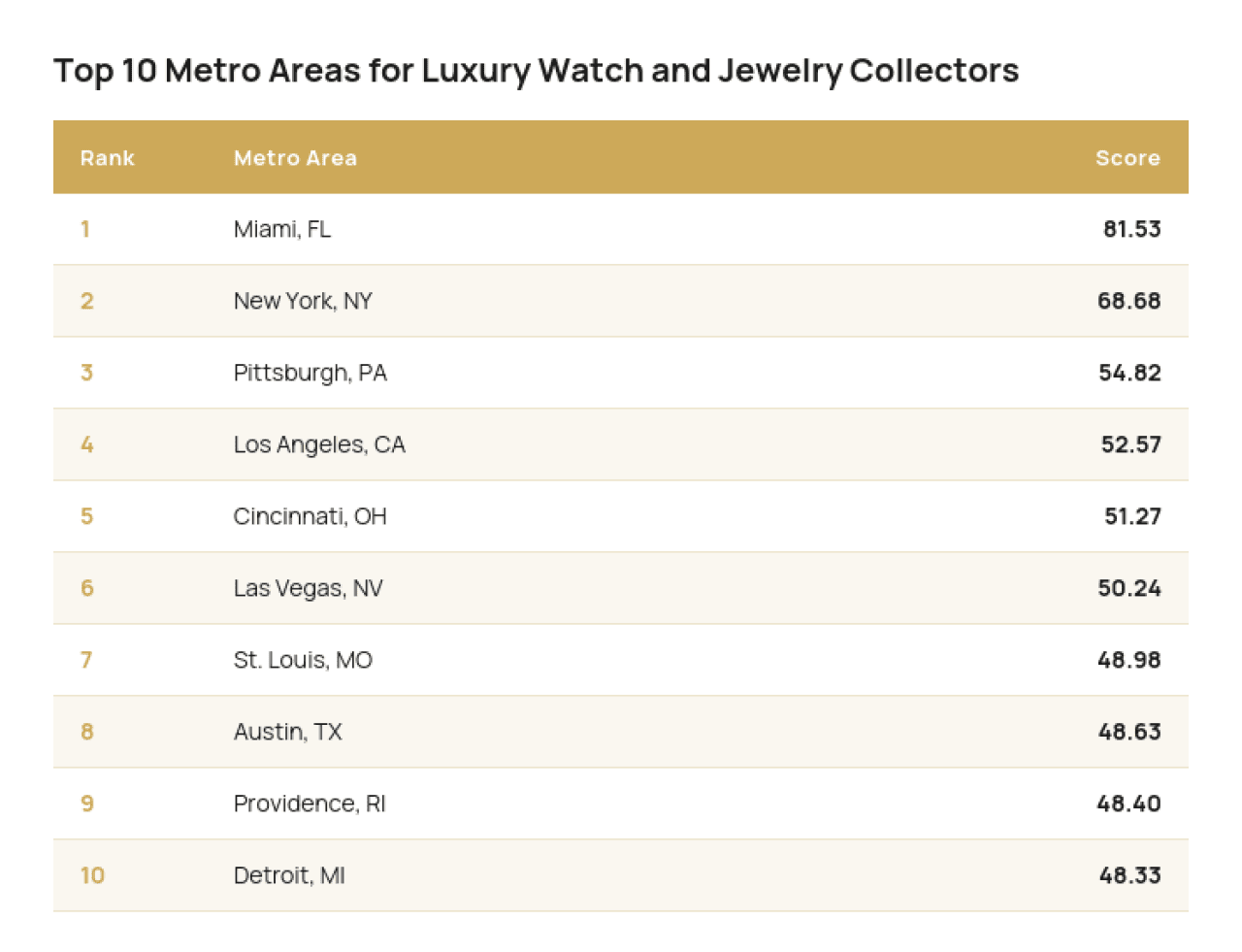
Table listing the top 10 metro areas for luxury watch and jewelry collectors.
Helvetus


Miami pulls away from the pack

Miami posted a score of 81.53 out of 100. Second-place New York came in at 68.68. The 12-point gap between them is wider than the gap between New York and 14th-place Jacksonville.

The city has 840 jewelry and watch retailers across the metro, a rate of 13.44 establishments per 100,000 residents. That's the highest density of any city in the study. Top businesses average a 4.85 Google rating.

Miami has also become a center for the watch aftermarket. Two of the most prominent rubber strap makers in the world, RubberB and Horus Straps, are headquartered there.

Rust Belt cities punch above their weight

Pittsburgh's third-place finish is the most surprising result in the study. The metro of 2.3 million has 137 jewelry and watch retailers, producing a per-100,000 rate of 5.61. What pushed it up the rankings was the depth of its review signals — an average Google rating of 4.77 across 2,675 sampled reviews.

The pattern repeats across the Midwest. Cincinnati ranked fifth and posted the highest average Google rating in the entire study at 4.87. Detroit landed 10th with 303 retailers and a 4.86 average rating, the second-highest in the country. St. Louis took seventh.

The explanation tracks with how watch culture forms over time. Multigenerational jewelers built their reputations decades ago, and the skilled trades tradition kept independent watchmakers in business long after the assembly lines closed. That kind of ecosystem doesn't show up in population projections. It shows up in Google reviews.

Sun Belt growth cities lag behind
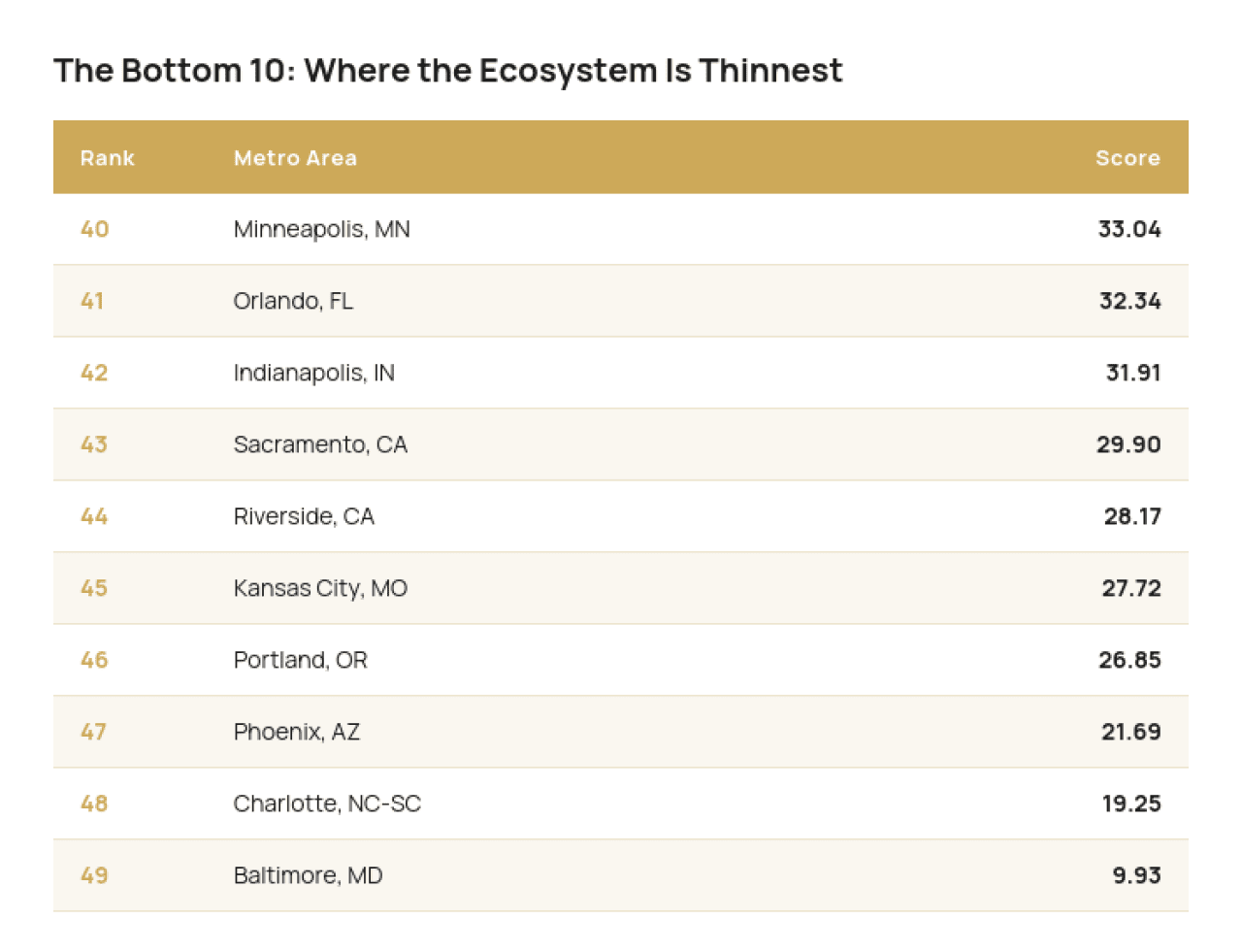
Table listing the bottom 10 metro areas where the ecosystem is thinnest.
Helvetus


Some of the fastest-growing metros in America landed near the bottom of the ranking.

Charlotte ranked 48th with a score of 19.25 and an average Google rating of 4.48, the second-lowest in the country. Phoenix came in at 47th with a score of 21.69. Sacramento sat in the bottom five.

Watch culture is a lagging indicator of wealth. New residents and new income can arrive in a metro within a few years. The independent jeweler with 30 years of repeat clients and four-figure review counts cannot be conjured to match the pace.

Austin is the lone exception in the growth-city cohort, ranking eighth with a 4.82 Google rating. Tech relocations from San Francisco and Seattle brought a buyer profile that already had watch culture baked in.

Florida's edge extends beyond Miami

Florida is the only state with three metros posting above-average ecosystem scores. Tampa landed at 16th with a per-100,000 establishment rate of 6.84. Jacksonville came in at 14th with 6.12 per 100,000.

The state's older, wealthier resident base creates durable demand for watch maintenance and service. Add continued high-net-worth migration on top of that, and demand layers across generations.

The advantage isn't universal within the state. Orlando ranked in the bottom 10. Tourism-heavy economies tend to produce volume retail rather than the specialist infrastructure that serious collectors depend on.

What it means for 2026

The Bloomberg Subdial Watch Index gained 8% in 2025, hitting its highest level in two years. Patek Philippe raised U.S. retail prices 22.4% over the same period without losing buyers. With Middle East markets disrupted, the U.S. is being asked to carry the recovery.

Baltimore finished last in the study with a score of 9.93, the only metro to score below 10. Its Google rating of 4.20 was the lowest in the ranking.

For collectors, the city you live in shapes what you can buy and how well your collection gets cared for over time.

Methodology

To understand how American cities support luxury watch collecting and fine jewelry ownership, Helvetus ranked the 49 largest U.S. metropolitan statistical areas. Establishment counts were drawn from the U.S. Census Bureau's County Business Patterns program (2023) for NAICS codes 448310 (jewelry stores) and 811490 (other personal and household goods repair and maintenance). These counts were divided by metro population from the ACS 5-Year Estimates (2024 vintage) to produce a per-100,000-residents establishment rate. Review quality and activity data were collected from the Google Places API in April 2026. Each metro received a combined score weighted 50% on ecosystem density, 30% on review quality, and 20% on review activity. Results were analyzed by region, population tier, and growth rate to identify trends and disparities.

This story was produced by Helvetus and reviewed and distributed by Stacker.
 

Salem News Channel Today

Sponsored Links


September 26 - Phoenix, AZ
Scottsdale Center for the Performing Arts


November 2 - Detroit, MI
Zion Christian Church in Troy


October 6 - Los Angeles, CA
Pasadena Convention Center


November 5 - San Antonio, TX
Norris Centers – The Grand Red Oak Ballroom


October 8 - Sacramento, CA
William Jessup University


November 7 - Tampa, FL
The Palladium at St. Pete College


October 22 - Minneapolis, MN
Crowne Plaza AiRE


November 15 - San Francisco, CA
Fremont Marriott Silicon Valley


October 23 - Philadelphia, PA
Green Valley Country Club


November 16 - Denver, CO
CU South Denver - Formerly Wildlife Experience


November 2 - Chicago, IL
Chicago Westin Northwest in Itasca


November 21 - Cleveland, OH
Holiday Inn Rockside in Independence


Salem Radio Network Speakers

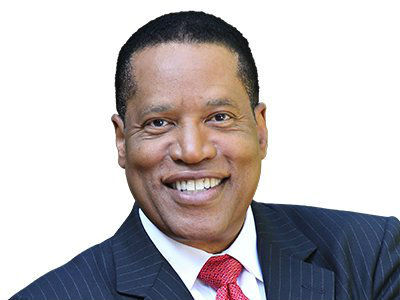
Larry Elder is an American lawyer, writer, and radio and television personality who calls himself the "Sage of South Central" a district of Los Angeles, Larry says his philosophy is to entertain, inform, provoke and to hopefully uplift. His calling card is "we have a country to save" and to him this means returning to the bedrock Constitutional principles of limited government and maximum personal responsibility. Elder's iconoclastic wit and intellectual agility makes him a particularly attractive voice in a nation that seems weary of traditional racial dialogue.” – Los Angeles Times.

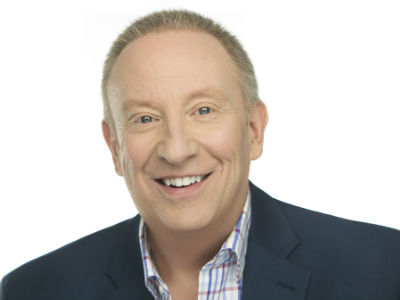
Mike Gallagher Mike Gallagher began his broadcasting career in 1978 in Dayton, Ohio. Today, he is one of the most listened-to talk radio show hosts in America, recently having been ranked in the Talkers Magazine “Heavy Hundred” list – the 100 most important talk radio hosts in America. Prior to being launched into national syndication in 1998, Mike hosted the morning show on WABC-AM in New York City. Today, Talkers Magazine reports that his show is heard by over 3.75 million weekly listeners. Besides his radio work, Mike is seen on Fox News Channel as an on-air contributor, frequently appearing on the cable news giant.

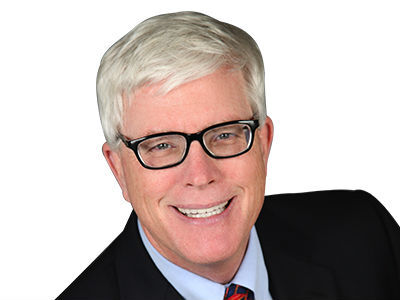
Hugh Hewitt is one of the nation’s leading bloggers and a genuine media revolutionary. He brings that expertise, his wit and what The New Yorker magazine calls his “amiable but relentless manner” to his nationally syndicated show each day.

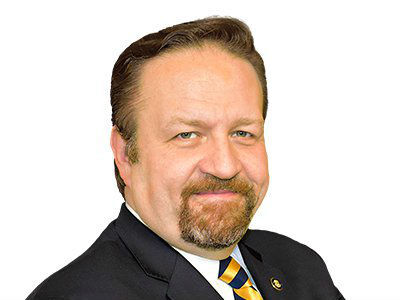
When Dr. Sebastian Gorka was growing up, he listened to talk radio under his pillow with a transistor radio, dreaming that one day he would be behind the microphone. Beginning New Year’s Day 2019, he got his wish. Gorka now hosts America First every weekday afternoon 3 to 6pm ET. Gorka’s unique story works well on the radio. He is national security analyst for the Fox News Channel and author of two books: "Why We Fight" and "Defeating Jihad." His latest book releasing this fall is “War For America’s Soul.” He is uniquely qualified to fight the culture war and stand up for what is great about America, his adopted home country.

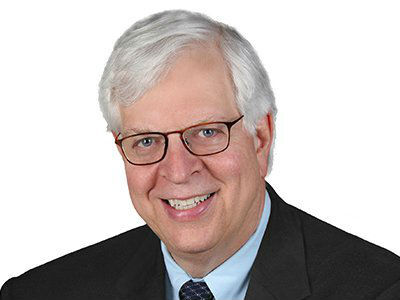
Broadcasting from his home station of KRLA in Los Angeles, the Dennis Prager Show is heard across the country. Everything in life – from politics to religion to relationships – is grist for Dennis’ mill. If it’s interesting, if it affects your life, then Dennis will be talking about it – with passion, humor, insight and wisdom.

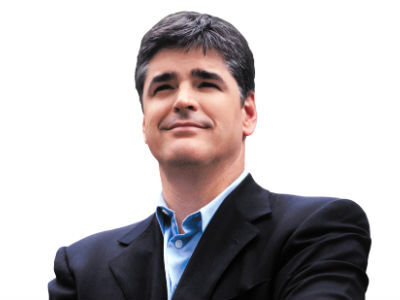
Sean Hannity is a conservative radio and television host, and one of the original primetime hosts on the Fox News Channel, where he has appeared since 1996. Sean Hannity began his radio career at a college station in California, before moving on to markets in the Southeast and New York. Today, he’s one of the most listened to on-air voices. Hannity’s radio program went into national syndication on September 10, 2001, and airs on more than 500 stations. Talkers Magazine estimates Hannity’s weekly radio audience at 13.5 million. In 1996 he was hired as one of the original hosts on Fox News Channel. As host of several popular Fox programs, Hannity has become the highest-paid news anchor on television.

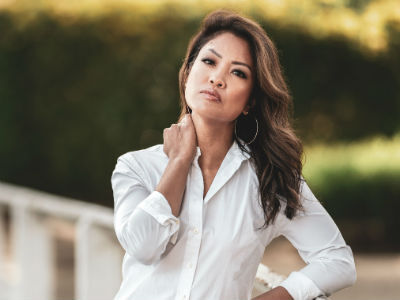
Michelle Malkin is a mother, wife, blogger, conservative syndicated columnist, longtime cable TV news commentator, and best-selling author of six books. She started her newspaper journalism career at the Los Angeles Daily News in 1992, moved to the Seattle Times in 1995, and has been penning nationally syndicated newspaper columns for Creators Syndicate since 1999. She is founder of conservative Internet start-ups Hot Air and Twitchy.com. Malkin has received numerous awards for her investigative journalism, including the Council on Governmental Ethics Laws (COGEL) national award for outstanding service for the cause of governmental ethics and leadership (1998), the Reed Irvine Accuracy in Media Award for Investigative Journalism (2006), the Heritage Foundation and Franklin Center for Government & Public Integrity's Breitbart Award for Excellence in Journalism (2013), the Center for Immigration Studies' Eugene Katz Award for Excellence in the Coverage of Immigration Award (2016), and the Manhattan Film Festival's Film Heals Award (2018). Married for 26 years and the mother of two teenage children, she lives with her family in Colorado. Follow her at michellemalkin.com. (Photo reprinted with kind permission from Peter Duke Photography.)

Sponsored by:

Miami leads US watch boom while Pittsburgh quietly outpaces Los Angeles

Carbonatix Pre-Player Loader

Audio By Carbonatix

Miami leads US watch boom while Pittsburgh quietly outpaces Los Angeles

The bling has a new American capital, and luxury watch brands betting on a strong 2026 in the United States are paying close attention to where their buyers actually live.

A 2026 ranking of the 49 largest U.S. metropolitan areas by the strength of their watch and jewelry ecosystem found Miami at the top by a wide margin, with the Rust Belt city of Pittsburgh in third place ahead of Los Angeles, Chicago, Dallas, and Houston.

The findings of a 2026 study by Helvetus arrive at a moment of pivotal importance for the global luxury watch trade. Conflict in the Middle East has stalled major export markets, and Swiss watch tariffs settled at 15% after briefly spiking to 39% last year. Brands are openly counting on U.S. demand to carry the recovery.

Table listing the top 10 metro areas for luxury watch and jewelry collectors.
Helvetus


Miami pulls away from the pack

Miami posted a score of 81.53 out of 100. Second-place New York came in at 68.68. The 12-point gap between them is wider than the gap between New York and 14th-place Jacksonville.

The city has 840 jewelry and watch retailers across the metro, a rate of 13.44 establishments per 100,000 residents. That's the highest density of any city in the study. Top businesses average a 4.85 Google rating.

Miami has also become a center for the watch aftermarket. Two of the most prominent rubber strap makers in the world, RubberB and Horus Straps, are headquartered there.

Rust Belt cities punch above their weight

Pittsburgh's third-place finish is the most surprising result in the study. The metro of 2.3 million has 137 jewelry and watch retailers, producing a per-100,000 rate of 5.61. What pushed it up the rankings was the depth of its review signals — an average Google rating of 4.77 across 2,675 sampled reviews.

The pattern repeats across the Midwest. Cincinnati ranked fifth and posted the highest average Google rating in the entire study at 4.87. Detroit landed 10th with 303 retailers and a 4.86 average rating, the second-highest in the country. St. Louis took seventh.

The explanation tracks with how watch culture forms over time. Multigenerational jewelers built their reputations decades ago, and the skilled trades tradition kept independent watchmakers in business long after the assembly lines closed. That kind of ecosystem doesn't show up in population projections. It shows up in Google reviews.

Sun Belt growth cities lag behind

Table listing the bottom 10 metro areas where the ecosystem is thinnest.
Helvetus


Some of the fastest-growing metros in America landed near the bottom of the ranking.

Charlotte ranked 48th with a score of 19.25 and an average Google rating of 4.48, the second-lowest in the country. Phoenix came in at 47th with a score of 21.69. Sacramento sat in the bottom five.

Watch culture is a lagging indicator of wealth. New residents and new income can arrive in a metro within a few years. The independent jeweler with 30 years of repeat clients and four-figure review counts cannot be conjured to match the pace.

Austin is the lone exception in the growth-city cohort, ranking eighth with a 4.82 Google rating. Tech relocations from San Francisco and Seattle brought a buyer profile that already had watch culture baked in.

Florida's edge extends beyond Miami

Florida is the only state with three metros posting above-average ecosystem scores. Tampa landed at 16th with a per-100,000 establishment rate of 6.84. Jacksonville came in at 14th with 6.12 per 100,000.

The state's older, wealthier resident base creates durable demand for watch maintenance and service. Add continued high-net-worth migration on top of that, and demand layers across generations.

The advantage isn't universal within the state. Orlando ranked in the bottom 10. Tourism-heavy economies tend to produce volume retail rather than the specialist infrastructure that serious collectors depend on.

What it means for 2026

The Bloomberg Subdial Watch Index gained 8% in 2025, hitting its highest level in two years. Patek Philippe raised U.S. retail prices 22.4% over the same period without losing buyers. With Middle East markets disrupted, the U.S. is being asked to carry the recovery.

Baltimore finished last in the study with a score of 9.93, the only metro to score below 10. Its Google rating of 4.20 was the lowest in the ranking.

For collectors, the city you live in shapes what you can buy and how well your collection gets cared for over time.

Methodology

To understand how American cities support luxury watch collecting and fine jewelry ownership, Helvetus ranked the 49 largest U.S. metropolitan statistical areas. Establishment counts were drawn from the U.S. Census Bureau's County Business Patterns program (2023) for NAICS codes 448310 (jewelry stores) and 811490 (other personal and household goods repair and maintenance). These counts were divided by metro population from the ACS 5-Year Estimates (2024 vintage) to produce a per-100,000-residents establishment rate. Review quality and activity data were collected from the Google Places API in April 2026. Each metro received a combined score weighted 50% on ecosystem density, 30% on review quality, and 20% on review activity. Results were analyzed by region, population tier, and growth rate to identify trends and disparities.

This story was produced by Helvetus and reviewed and distributed by Stacker.

 

Salem News Channel Today

Sponsored Links

On Air & Up Next

See the Full Program Guide